Potty training is no joke in childcare!
Potty training is a developmental milestone that requires coordinated practice across the classroom and home. For many early childhood professionals, success depends on reading child readiness cues, establishing consistent classroom routines, and partnering effectively with families. ChildCareEd offers practical training to support these goals — for example, Potty Training Made Simple Buy Now $25.00 and Open Ears: Listening in Child Care  Buy Now $16.00 are two courses that help classroom teams build family engagement and communication strategies relevant to toilet learning.
What signs indicate a child is ready for toilet learning?
Children show a range of readiness indicators that are behavioral, cognitive, and physical. Look for: 1) predictable dry periods (e.g., waking from naps dry or longer intervals between wet diapers); 2) the ability to follow simple instructions and communicate needs; 3) interest in adult bathroom routines or in wearing underwear; and 4) emerging independence with dressing and undressing. These signs are behavioral indicators rather than strict age milestones — use individual assessment rather than chronological age to plan your approach. For a practical checklist you can share with families, see Toddler Toilet Readiness Checklist for Parents and Teachers and How to Know When a Child Is Ready for Toilet Training.
How can child care providers partner with families to create consistent routines?
Two-way communication is central. Start by documenting the family’s current home routines and agreeing on consistent vocabulary (e.g., 'potty' vs. 'toilet'). Use short, regular touchpoints: a daily note, a quick parent conversation at pickup, or a brief weekly progress log. Encourage families to practice the same cues you use in the classroom (a visual schedule, a timer, or a simple signal). When family engagement is difficult, targeted communication training can help; consider the ChildCareEd course Open Ears: Listening in Child Care Buy Now $16.00 for strategies to improve intercultural listening and to build collaborative problem-solving with caregivers.
What classroom routines and strategies support successful potty learning?
Effective classroom practice balances structure, opportunity, and encouragement. Try these evidence-informed steps:
- Establish a predictable schedule of bathroom breaks tied to routines (arrival, before/after outdoor play, before nap, and before home time).
- Create an inviting toileting area: child-sized seats, step stools, accessible clothing storage, and clear privacy expectations.
- Use positive reinforcement and specific praise (e.g., 'You told me you needed to go — great job using your words!'). Avoid punishment or shaming for accidents.
- Teach hygiene explicitly: handwashing steps, use of soap, and drying hands. Link to infection prevention policies and trainings such as Prevention and Control of Infectious Diseases to ensure classroom hygiene practices meet health standards.
For sample daily routines that incorporate toileting and independence-building, see Child Care Daily Routine Examples for Infants, Toddlers, and Preschoolers.
How do providers keep children safe, remain compliant during diapering and toileting, and troubleshoot when progress stalls?
Health, privacy, and documentation are essential, and troubleshooting progress stalls should be part of the same compliance plan. Follow these steps: 1) Use safe diapering procedures and surface disinfection between changes; 2) Keep handwashing logs and incident notes when appropriate; 3) Train staff on infection control and response to bodily fluids; and 4) Confirm that your program’s policies align with licensing expectations. When a child regresses or stalls, reassess likely triggers (illness, family stressors, changes in routine, or medical conditions), set small measurable goals (for example, remaining dry for one morning activity), and document progress in the same secure logs you use for routine toileting notes. Avoid group-wide pressure; individualize plans and maintain confidentiality. When medical or developmental concerns exist, suggest families consult their pediatrician and document communications. For practical compliance guidance and recommended procedures, link to official program resources and the site article How can child care programs use safe diapering and toileting procedures to protect children and stay compliant? and refresh staff via the ChildCareEd Health and Safety Orientation Buy Now $55.00$45.00. For support on building individualized approaches, see articles on promoting independence and tailored learning strategies such as How Can North Dakota Providers Encourage Independence in Young Children? and Child Development Training.
How can providers make potty training inclusive and maintain documentation, consent, and confidentiality? 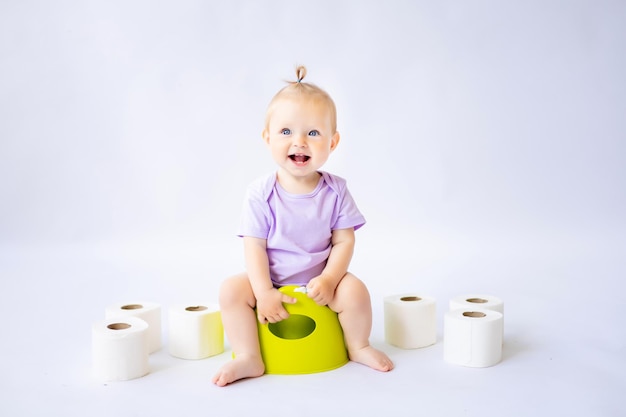
Design individualized plans that respect each child's developmental profile and record agreed adaptations so inclusion and confidentiality are aligned. Start with an assessment of communication ability, motor skills, sensory preferences, and toileting history. Use visual schedules, simple picture cues, and consistent gestures or words; these supports reduce cognitive load and improve predictability. For children who use augmentative and alternative communication (AAC), ensure toileting vocabulary is available on their device and practiced in both home and classroom settings. Coordinate with families, speech therapists, occupational therapists, and licensed professionals to align strategies (reinforcement, timing, clothing adaptations) across settings. Reduce sensory barriers by offering choices for seating, lighting, and privacy; for children who are distressed by loud hand dryers or unfamiliar surfaces, provide alternatives (paper towels, stool placement). Document agreed adaptations and measurable short-term objectives (for example, sitting on the seat for one minute with caregiver support) and review progress weekly. Maintain clear written parent agreements and brief daily logs to document toileting attempts, successes, and any concerns. Obtain written parental consent for structured potty-training plans that require extra staff time, photographs, or sharing notes with external therapists. Use a confidential, secure log (paper or digital) that records dates, times, assistance level, and any health-related observations; restrict access to staff directly working with the child. Keep incident reports separate from routine logs and follow your program's retention policy. When exchanging information with families, use neutral, factual language and obtain permission before sharing a child's progress with third parties (therapy providers, specialists). If a child’s progress raises developmental or medical concerns, document communications with the family and note referrals (pediatrician, early intervention). For programs in North Dakota, editorial must insert the North Dakota Department of Human Services child care licensing guidance link and cite the specific guidance or regulation that applies to documentation, consent, and record retention.
Summary: What are the essentials busy providers should take away?
Potty training succeeds when providers combine readiness assessment, predictable classroom routines, family partnership, and clear hygiene practices. Actionable next steps: 1) identify readiness signs for each child, 2) adopt a consistent toileting schedule, 3) communicate brief daily updates with families, 4) train staff on hygiene and documentation, and 5) use focused courses or articles to fill knowledge gaps. ChildCareEd courses that may support your team include Potty Training Made Simple Buy Now $25.00, Open Ears: Listening in Child Care Buy Now $16.00, and Prevention and Control of Infectious Diseases Buy Now $16.00. For related reading on readiness, routines, compliance, and career development, see: Toddler Toilet Readiness Checklist, How to Know When a Child Is Ready for Toilet Training, Daily Routine Examples, Safe Diapering and Toileting Procedures, and Child Development Training. Consult your state child care licensing agency for the official regulations that apply to your program; for providers in North Dakota, consult the North Dakota Department of Human Services child care licensing guidance [Insert link to North Dakota Department of Human Services child care licensing guidance here]. Keep communications concise and positive; that consistency is what children and families rely on.
- CDA Preschool Credential
- Teacher-Child Interactions for Stronger CLASS® Outcomes
- 45 Hour Infant and Toddler Methods and Materials
- Pediatric RSV First Aid & CPR/AED
- 45 Hour School Age Methods and Materials
- 24 Hour Texas Pre-Service
- Potty Training Made Simple
- Allergies and Medication in Childcare
- 45-Hour Infant and Toddler Curriculum
- How childcare professionals can de-stress during the holiday season
- CDA Certification en Español: Recursos y Consejos para Educadores Bilingües
- 🤔 ¿Cómo hablo con los padres cuando un niño no está avanzando en el entrenamiento para ir al baño?
- Qué capacitación se requiere para ser director de cuidado infantil en Texas?
- How to Celebrate April Fools’ Day in Child Care (Without Chaos!)
- Requisitos Para Ser Maestra Principal En Un Daycare: Lo Que Necesitas Para Empezar
- Que es Título 22 en California?
- ¿Cuál es la diferencia entre un certificado CDA y la credencial CDA?
- ¿Cómo solicito la licencia para una guardería en California?
- Regulaciones de Licenciamiento de Cuidado Infantil en California para Centros y Hogares de Cuidado Infantil Familiar
- Cómo Trabajar en el Cuidado Infantil en California: Requisitos y Pasos
- Cómo Ser Maestra de Preescolar en Wisconsin
- Child Care Daily Routine Examples for Infants, Toddlers, and Preschoolers
- How Can North Dakota Providers Encourage Independence in Young Children?
- How can child care programs use safe diapering and toileting procedures to protect children and stay compliant?
- Toddler Toilet Readiness Checklist for Parents and Teachers
- How to Know When a Child Is Ready for Toilet Training
- What Should Every Child Care Provider Know About Children's Sense of Humor?
