Toilet training is an important milestone, but every child reaches it at a different pace. The key is creating calm, predictable routines that help children feel safe, confident, and supported. ChildCareEd’s Every Moment Matters: Schedules and Transitions  Buy Now $55.00 self-paced online course can help educators build consistent classroom schedules and smoother transitions—valuable foundations for successful toilet-training routines.
In this article, directors and caregivers will learn how to recognize readiness signs, communicate with families, support staff, and create a respectful plan that follows each child’s individual timing. Since state requirements may vary, always check with your state licensing agency. Keep reading for practical steps, partnership strategies, and troubleshooting tips grounded in child-centered early childhood practice. For additional caregiver-friendly techniques and concrete suggestions you can use with families, see Ideas and Suggestions for Parents and Providers in Potty Training.
1) What are the clear signs a child is ready for toilet training?
Look for multiple, consistent signals rather than a single “proof” that a child is ready. Use a checklist to organize observations — see the ChildCareEd readiness checklist Buy Now $0.00 for classroom-friendly tools. Typical readiness signs include:
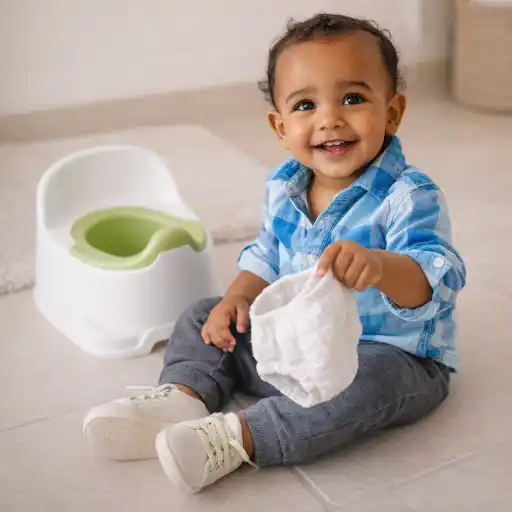
- 🟢 Stays dry for longer periods (often 1–2 hours or during a nap) — a concrete physiological clue cited in many guides like Beginning Potty Training Practices and health resources such as Nemours KidsHealth.
- 🚽 Shows curiosity about the bathroom or watches peers use the toilet (interest and imitation are powerful learning cues).
- 🗣️ Communicates needs with words, signs, gestures, or pulls at a diaper — awareness of body sensations is essential.
- 🧭 Follows simple directions and can sit briefly on a potty or toilet seat.
- 👖 Can pull clothing up and down (or is close to doing so) and shows some fine motor independence.
- ⚖️ Notices when they are wet or soiled and may express discomfort.
Practical note: watch for patterns across days and settings. If signs are inconsistent, keep building related skills (pulling pants, handwashing, simple words) without pressuring the child.
2) How can teachers and parents support a child without pressure?
Support that reduces shame and increases agency is most effective. Use these developmentally appropriate, non-coercive steps that promote confidence and learning:
- 🧩 Create a shared plan with families: agree on words, schedules, and expectations. Resources like How Do I Talk to Parents… show scripts for respectful collaboration.
- 🎯 Offer predictable, short potty times (e.g., arrival, before outdoor play, after snacks, before going home). Consistency matters more than intensity.
- 👏 Praise effort, not outcome: say, "You told me you needed to try — good job!" Emphasize learning steps rather than perfect results.
- 🔁 Avoid punishment or power struggles. Calm handling of accidents supports trust and helps children try again without fear (see Toilet Teaching Without Tears).
- 🤝 Respect family culture and timing; adapt language and routines to match what families use at home (Cross-Cultural Toilet Training Practices).
Where progress stalls, pause and reassess. Pressure often creates resistance; offering choices and small successes builds momentum.
3) What routines and tools build consistent home–child care teamwork?
Consistency across home and program reduces confusion and speeds learning. Use simple paperwork, shared language, and predictable timing to align approaches.
- 📄 One-page potty plan: include start date, potty times, child cues, words used at home, clothing tips, and an accident plan. The ChildCareEd readiness checklist Buy Now $0.00 provides an easy template.
- 🧰 Supply checklist for families: 3–5 spare outfits, extra underwear, plastic bags for soiled clothes, and easy-on shoes/pants.
- 🔁 Shared schedule: choose 3–5 regular potty moments in the day and stick to them. Staff should use the same short phrases every time.
- 📣 Communicate daily: brief notes at pick-up, a short log of dry times and successes, and periodic check-ins to adjust the plan (see communication tips in this guide).
- 🌍 Cultural match: ask families what words and routines they use at home and mirror them where possible (Cross-Cultural Practices).
Small, documented habits (a log and one shared phrase list) keep everyone coordinated and reduce mixed messages.
4) How should caregivers handle accidents, setbacks, and common pitfalls?
Accidents are learning data, not failures. Use calm practices that protect dignity and health:
- 🧼 Calm response: stay neutral — "Oh, your pants are wet. Let’s get you dry and try again later." This prevents shame and keeps the child regulated (Toilet Teaching Without Tears).
- 🧯 Quick, hygienic clean-up: follow your program’s diapering and toileting hygiene steps (see state rules or program policies; for example, Illinois guidance summarized in Diapering and Toileting Standards in Illinois).
- 🔁 Review, don’t punish: help the child change and offer a brief reminder of the routine. Celebrate trying again rather than focusing on the accident.
- ⚠️ Watch for hidden causes: constipation, illness, or environmental stress can create regressions — consult families and, if needed, recommend a pediatric check (see Nemours).
- 🚫 Avoid these common mistakes: starting by age only (not readiness), applying pressure during life changes, or using inconsistent approaches between home and care (see practical cautions in ChildCareEd materials).
Document accidents briefly (time, context, response) to spot patterns and make evidence-based changes.
5) When should you pause training or seek extra help?
Know when to take a break or escalate. Consider these steps:
- 🛑 Pause during major transitions: new sibling, moving, illness, or program changes are poor times to push toilet training; regression is common in these windows (Beginning Potty Training Practices).
- 🔍 Re-check readiness: if a child isn’t staying dry for increasing stretches, lacks awareness, or resists strongly, wait and reintroduce later. Starting too early often lengthens the process (Nemours).
- 🏥 Look for medical flags: persistent withholding, painful bowel movements, or sudden regression merit pediatric evaluation (constipation is a common physical barrier).
- 🧑🤝🧑 Get team help: bring together teachers, family, and, if needed, an early childhood specialist to design a gentle plan. Sample scripts for family conversations are in ChildCareEd’s guidance (How Do I Talk to Parents…).
When in doubt, slow down. Many children achieve daytime independence later without long-term consequences; each child’s timeline is legitimate.
Summary
1) Use clear readiness signs (dry periods, interest, communication, physical control) as your cue to begin. 2) Partner closely with families using one-page plans, consistent language, and brief daily notes. 3) Keep pressure low: praise effort, handle accidents calmly, and avoid punishment. 4) Pause during family or health disruptions and consult pediatric or developmental experts for medical concerns. Helpful ChildCareEd resources include the Potty Training Readiness Checklist Buy Now $0.00 and classroom articles like Beginning Potty Training Practices in the Early Childhood Classroom. State requirements vary - check your state licensing agency.
Quick FAQ:
- Q: How long will it take? A: Often weeks to months for daytime control. Nighttime can take longer.
- Q: Should we offer rewards? A: Small, brief rewards (stickers, celebration) can help, but emphasize internal success and routines.
- Q: What if parents disagree with the program’s plan? A: Use a short, respectful meeting to agree on shared words and goals; document the plan.
- Q: When to refer? A: If the child has pain, severe withholding, or no progress and family concerns persist — suggest pediatric evaluation.
Final note: every child reaches this milestone at their own pace. Your role as a consistent, calm partner — working with families and following child-centered practice — makes the difference.
- 45 Hour Child Growth and Development
- CDA Infants/Toddlers: Importance of Consistent Care
- CDA Bridge Bundle: Family Child Care
- 24 Hour Texas Pre-Service
- CDA Bridge Bundle: Family Child Care without Portfolio Review
- CDA Bridge Bundle: Infant/Toddler without Portfolio Review
- CDA Bridge Bundle: Preschool without Portfolio Review
- 45-Hour Infant and Toddler Curriculum
- Texas Director Credential
- How Does the Americans with Disability Act ( ADA) apply to child care centers
- Cross-Cultural Toilet Training Practices
- Mummy Races & Zombie Tag: Halloween-themed Gross Motor Games
- CDA Certification en Español: Recursos y Consejos para Educadores Bilingües
- Understanding Developmental Milestones: What’s Typical and When to Worry
- Requisitos Para Ser Maestra Principal En Un Daycare: Lo Que Necesitas Para Empezar
- What Can Texas Inclusion Assistance Cover for Children with Disabilities in Child Care?
- Diapering and Toileting Standards in Illinois: Hygiene Steps That Protect Health
- Que es Título 22 en California?
- Capacitación en Salud y Seguridad Preventiva en Línea para Proveedores de Cuidado Infantil
- ¿Cómo solicito la licencia para una guardería en California?
- Regulaciones de Licenciamiento de Cuidado Infantil en California para Centros y Hogares de Cuidado Infantil Familiar
- Proporciones de Cuidado Infantil y Tamaños de Grupo por Edad en Maryland (Guía Rápida para Centros y Hogares)
- Cómo Trabajar en el Cuidado Infantil en California: Requisitos y Pasos
- What Kindergarten Readiness Skills Do Children Need?
- Toddler Toilet Readiness Checklist for Parents and Teachers
- How to Know When a Child Is Ready for Toilet Training
