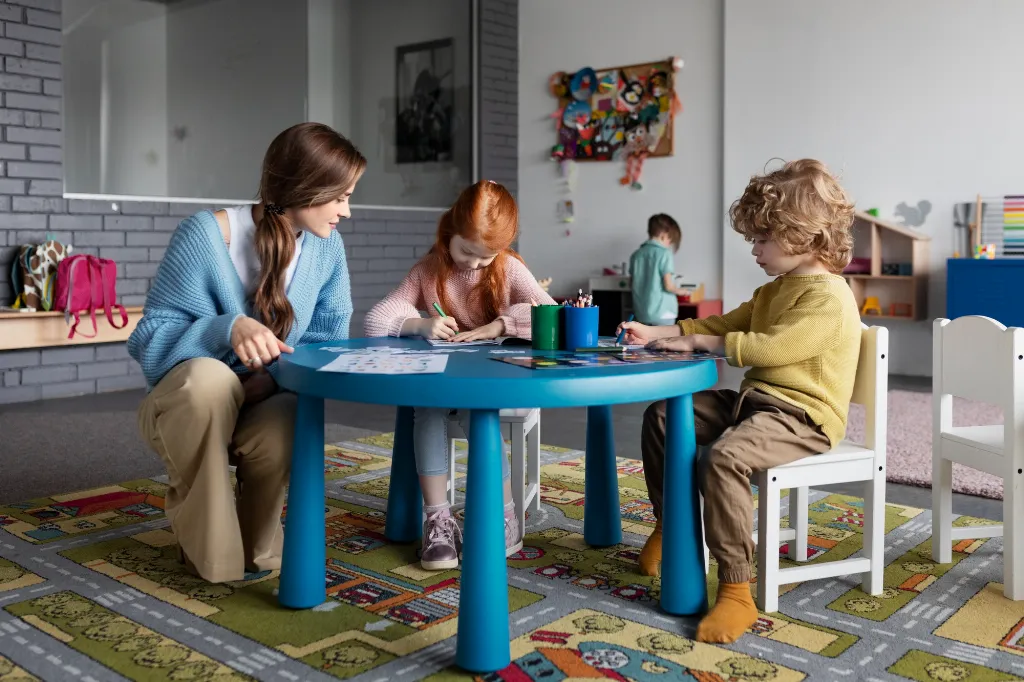
 Thinking about watching a few neighborhood kids in your #home? Many providers ask the same question: how many children can I #babysit before I need a formal #license? This short guide helps directors and home providers understand the common rules, why it matters, and clear steps to keep your program safe and legal. Remember: state requirements vary - check your state licensing agency.
For helpful state-by-state guides and training, see ChildCareEd resources like the Virginia child care ratios guide and the Texas family home overview.
1) What counts as babysitting versus running a home daycare?
Babysitting is usually occasional care, often by neighbors or friends. A home daycare is regular, paid care for several unrelated children. Different states define the exact line differently.
- Occasional care: You watch kids for a few hours now and then. This is usually considered babysitting. ✅
- Regular care: You care for children on a schedule (for pay) and it happens many days each week. This often becomes a home daycare and may need licensing. ✅
- Family care exceptions: Some states do not count children who are related to you (like your own kids) the same way. ✅
For example, Maryland explains how family childcare is set up and when providers need licensing; see Maryland Requirements for Becoming a Home Daycare Provider. Texas lists three home care types and when registration or licensure is needed: Texas child care home types. Always check your local rules because one state’s babysitting is another state’s regulated care.
2) How many kids can I care for without a license?
It depends on state law. Many states allow small, informal care for 3–6 unrelated children before licensing is required. Some states count infants differently and have special limits.
- 📌 Example: In some places, caring for fewer than 6 children (with limits for under-2s) can be allowed without a full license. This is a common threshold mentioned in many quick guides. See general guidance like How to Open a Home Daycare in New York for local number rules.
- 📌 Example: Texas explains that up to 3 children may be considered a small listed home (different rules apply for registered or licensed homes) — more info at Become a Child Care Home Provider in Texas.
- 📌 Example: Maryland defines family child care and large family child care with clear child counts for licensing; see Maryland Requirements.
Because numbers vary so much, use this 3-step check:
- 🔎 Check your state website or the ChildCareEd state guides.
- 📞 Call your licensing office and ask: “How many unrelated children can I care for before a license is required?”
- 📝 Keep notes and any written guidance you receive so you can show it if asked.
3) What changes once you cross the limit and need a license?
More rules. Licensing brings training, background checks, health standards, and inspections. These rules protect children and help programs run well.
- 👶 Staff and training: You may need CPR/First Aid, medication training, and yearly training hours. For example, Virginia and Oklahoma explain training and ratio basics in their guides; see Virginia ratios and Oklahoma licensing basics.
- 🔒 Background checks: Most states require criminal and abuse registry checks for all adults in the home.
- 🏥 Health & safety: Immunizations, safe sleep rules, and health forms are often required. See state regs like New Mexico’s non-licensed registration rules for examples: 8.17.2 NMAC.
- 🕵️ Inspections: Health and fire inspections may be needed before you open and periodically after.
4) How can I avoid mistakes and stay compliant?
Short answer: check, document, and plan. Use simple systems to avoid common pitfalls.
- 📋 Know the rules: state sites and ChildCareEd guides are great starting points. See training and startup posts like Start Your Family Child Care Business TODAY.
- 🧾 Write it down: keep a folder with your state’s guidance, calls with licensors, and training certificates.
- 🔁 Avoid this common mistake: assuming a friend’s answer applies to your state. Ask your licensing office directly.
- 🛡️ Keep safety first: follow ratios, active supervision, and health rules to protect kids and your business. ChildCareEd’s quality and ratio guides can help: Quality in Home-Based Child Care Buy Now $0.00 and California ratios.
- 📞 If you want to run a cooperative with other families, read practical co-op tips like the article on forming a babysitting co-op: How to Form a Community Babysitting Co-op.
Common mistakes — how to avoid pitfalls?
- ❗ Not checking local law: Always verify with your state. State requirements vary - check your state licensing agency.
- ❗ Letting ratios slip during transitions: plan one adult to count and supervise during drop-off/pick-up.
- ❗ Missing background or training records: keep certificates in a labeled binder.
FAQ
- Q: Can I babysit my friend’s three kids without a license?
A: Often yes for occasional care, but regular paid care can require a license. Check your state. - Q: Do my own children count?
A: Some states count resident children differently. Ask your licensor. - Q: Where do I find clear numbers for my state?
A: State licensing websites and ChildCareEd state guides are good places to start. - Q: What if I care for sick children?
A: Many states have special rules for caring for sick children or children with special needs; licensing often requires extra training.
Summary: There is no single number for all states. Many places let you babysit 3–6 unrelated children before licensing, but some states set different limits or special rules for infants. The best steps are: 1) check your state rules, 2) call your licensing office, and 3) keep clear records and training. Your #children’s #safety and your peace of mind are worth the extra time to confirm the law. If you need training or printable checklists, ChildCareEd has state-specific guides and courses to help you get ready.
- CDA Home Visitor Subject Area 6 Part 3 Birth to 5
- CDA Home Visitor Subject Area 4 Part 2 Birth to 5
- CDA Home Visitor Subject Area 6 Part 1 Birth to 5
- CDA Home Visitor Subject Area 1 Part 1 Birth to 5
- Open Ears: Listening in Child Care
- Pediatric RSV First Aid & CPR/AED
- Potty Training Made Simple
- CDA Home Visitor Credential Birth to 5
- Supporting Families and Caregivers in Language and Literacy
- CDA Home Visitor Subject Area 7 Part 1 Birth to 5
- CDA Certification en Español: Recursos y Consejos para Educadores Bilingües
- Que es Título 22 en California?
- 10 Ejemplos de Cómo la Cultura Influye en el Desarrollo Infantil
- Cómo Iniciar el Proceso de Obtención de la Licencia de Cuidado Infantil
- ¿Cómo solicito la licencia para una guardería en California?
- Regulaciones de Licenciamiento de Cuidado Infantil en California para Centros y Hogares de Cuidado Infantil Familiar
- Normas de Licenciamiento de Cuidado Infantil en Virginia para Centros Diurnos Infantiles y Hogares Diurnos Familiares
- Lista para Guardería en Casa en California: Cómo Iniciar una Guardería en el Hogar
- Lista para Guardería en Casa en Texas: Cómo Iniciar una Guardería en el Hogar
- Cómo Trabajar en el Cuidado Infantil en California: Requisitos y Pasos
- Celebrando la amistad en el cuidado infantil durante el Día de los Mejores Amigos
- How Many Kids Can You Babysit in Your Home Without a License?
- How Many Kids Can You Watch in Maryland Without a License?
- How Many Kids Can You Watch Without a License in Illinois?
- How Many Kids Can You Watch Without a License in Texas?
- How Many Kids Can You Watch Without a License in Virginia?
- How Many Kids Can You Watch Without a License in Wisconsin?
- How Many Kids Can You Watch Without a License in California?
- How Many Kids Can You Babysit Without a License in Nevada?
- Do You Need a Childcare License to Watch Kids in Your Home?
