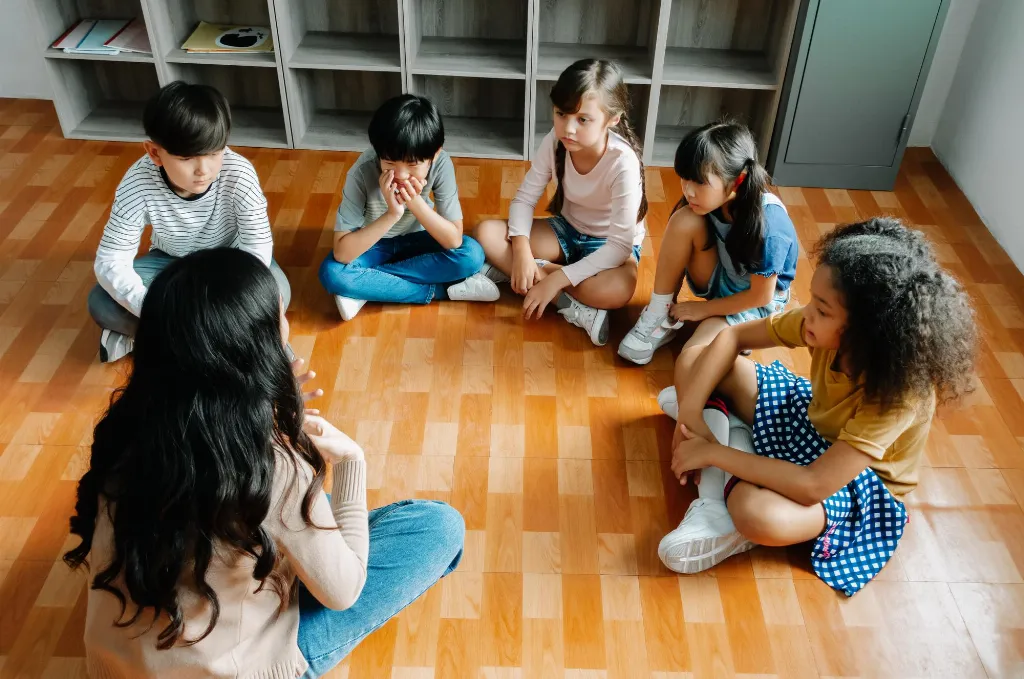
 Thinking about watching a few neighborhood children or offering occasional care in your #home? This article helps directors and in-home providers answer one clear question: how many children can you watch in California before you need a license? We explain the difference between babysitting and running a home daycare, the common California limits, what changes when licensing is required, and simple steps to stay legal and safe.
What does California law say about watching kids without a license?
California separates occasional babysitting from a licensed Family Child Care Home. The state has limits based on license type, age of children, and whether you are paid regularly. In simple terms:
- 📌 Babysitting (occasional, unpaid or informal) is usually not a licensed business. It is short-term care for a few hours and happens now and then. For more on the babysitting vs daycare line, see How Many Kids Can You Babysit....
- 👶 Family Child Care Home (FCCH) is regular, paid care in a home and usually needs a license. California uses Title 22 rules for licensed programs; learn more at What Is Title 22.
- ✅ Typical numbers: many California small family child care homes are licensed for up to 8 children. Large family child care homes may allow more children (for example, up to 14) when an assistant is present. Exact counts depend on ages and space—see the quick guide on California ratios and group sizes.
Keep in mind: rules can change by county and program type. state requirements vary - check your state licensing agency and your local licensing analyst for exact limits.
Is babysitting the same as running a home daycare?
Many people mix up babysitting and operating a home daycare. Here are clear differences that matter to licensors and families.
- 📋 Frequency and schedule:
- 1) Babysitting: occasional, short time blocks, like an evening or a few hours.
- 2) Daycare: regular hours, week after week, often with many families who pay.
- 💰 Payment and business:
- 1) Babysitting: often casual, sometimes unpaid or paid by a parent friend.
- 2) Daycare: set rates, invoices, and you run it like a small business. If you care for several unrelated children regularly, licensing usually applies. See How to start a Home Daycare in California.
- 👨👩👧👦 Who counts toward the total:
- 1) Some states count your own children differently. In California, counting rules depend on license type and ages; check the guidance on family homes at Licensed Home Daycare Capacity.
- 📣 Advertising and regular enrollment:
- 1) If you advertise and enroll many families, regulators usually treat you as a daycare, not a babysitter. Consider creating a brief home day care business plan and advertising strategy before you advertise so you can set lawful enrollment practices and attract the right families.
If you are unsure whether your situation is babysitting or a business, call your licensing office. A quick phone call can keep you out of trouble.
What changes once you cross the limit and need a license?
When your care becomes regular and you cross the allowed number of children for informal care, a license brings real changes meant to keep children safe.
- 🔒 Paperwork and inspections:
- 1) You must fill out official forms. For steps on applying, see How to Apply for Daycare Licensing in California and the CDSS application pages.
- 2) Expect a pre-licensing inspection and later unannounced visits under Title 22 rules (Title 22 overview).
- 🧾 Background checks and health clearances:
- 1) Live Scan fingerprints and criminal history checks for the licensee and adults in the home.
- 2) TB tests and health screenings are often required before children arrive.
- 🩺 Required training:
- 1) At least one caregiver must have current Pediatric First Aid and CPR. See How To Get a Daycare License In California for training notes.
- 2) Preventive health and mandated reporter training are also required. Helpful course lists are on the ChildCareEd California courses page (CA course catalog).
- 🏠 Space and safety upgrades:
- 1) You may need to change how rooms are set up, secure medicines and cleaning supplies, and meet play space rules. ChildCareEd’s setup guides can help you prepare.
These rules protect children and help your program run well. They can feel like a lot, but there are step-by-step guides and training options to help you succeed.
How can I stay legal and avoid common mistakes?
Simple systems keep you safe, legal, and less stressed. Below are practical steps and common pitfalls with fixes.
- 📝 Start with clear steps:
- 1) Call your local licensing office and ask where your care falls: babysitting or FCCH? See ChildCareEd's babysitting guide.
- 2) If you need a license, sign up for the required orientation and gather application forms. The CDSS orientation link and application packets are explained in How To Get a Daycare License In California.
- ✅ Keep a simple file folder:
- 1) Scanned and paper copies of background checks, training certificates, emergency forms, and attendance logs.
- 2) Post your program capacity and staff assignments where everyone can see them.
- 🛡️ Common mistakes and how to avoid them:
- ❗ Mistake: Assuming a friend's rules apply to you. Fix: call your licensing analyst and save the note or email.
- ❗ Mistake: Letting ratios slip during drop-off. Fix: assign one adult to count and supervise transitions.
- ❗ Mistake: Missing training renewals. Fix: set calendar reminders for 60 and 30 days before expiration.
- 📚 Use trainings and templates:
- 1) ChildCareEd offers trainings and forms to help with licensing, record keeping, and safety checks (see California course catalog and the Provider Toolkit articles).
Follow these steps to protect the #children in your care, keep your #licensing on track, and prioritize #safety. If you plan to care for many children regularly, consider applying for the correct license rather than risking a violation. Remember: state requirements vary - check your state licensing agency.
FAQ
- Q: Can I babysit three kids from one family without a license?
A: Often yes if it is occasional and from one family. If you care for unrelated children regularly or advertise, licensing may apply. See ChildCareEd babysitting guide. - Q: Do my own children count toward capacity?
A: Sometimes. California rules for family homes set counting rules by age and license type; ask your licensing analyst or check Licensed Home Daycare Capacity. - Q: What trainings do I need to get licensed?
A: Pediatric First Aid/CPR, preventive health, and Mandated Reporter training are common. See training lists at Which Trainings Are Required. - Q: How do I increase capacity legally?
A: Contact licensing, apply for the higher license type, add an approved assistant, meet space rules, and pass inspection. See How To Get a Daycare License.
Final tips:
- 1) Count carefully during arrivals and transitions.
- 2) Keep training and background checks current.
- 3) Ask your licensing analyst questions and save their answers.
Your work matters. With simple rules, clear records, and the right trainings, you can protect kids, serve families, and run a strong program. For step-by-step help, templates, and approved courses, explore ChildCareEd's California resources like How to Start a Home Daycare and the course catalog at ChildCareEd California Courses. Keep focusing on #California #licensing #safety #ratios and the #children you serve.
- 45 hour Growth and Development Birth-age 12 ONLINE
- Play Safe, Think Big: Literacy Through Play
- Pediatric Blended First Aid & CPR/AED Adult, Child, Infant
- CDA Bridge Bundle: Preschool
- Pediatric RSV First Aid & CPR/AED
- Pediatric In-Person First Aid & CPR/AED Adult, Child, Infant
- Creating Environments that Nurture Growth and Community
- Texas Director Credential
- CDA Certification en Español: Recursos y Consejos para Educadores Bilingües
- Que es Título 22 en California?
- 10 Ejemplos de Cómo la Cultura Influye en el Desarrollo Infantil
- ¿Cómo solicito la licencia para una guardería en California?
- Regulaciones de Licenciamiento de Cuidado Infantil en California para Centros y Hogares de Cuidado Infantil Familiar
- Lista para Guardería en Casa en California: Cómo Iniciar una Guardería en el Hogar
- Cómo Trabajar en el Cuidado Infantil en California: Requisitos y Pasos
- Licensed Home Daycare Capacity: How Many Children Are Allowed?
- Daycare Grants in California for 2026: Funding Help for Child Care Programs
- How Many Kids Can You Babysit in Your Home Without a License?
- How Many Kids Can You Watch Without a License in Nevada?
- How Many Kids Can You Watch Without a License in Illinois?
- How Many Kids Can You Watch Without a License in Texas?
- How Many Kids Can You Watch Without a License in Virginia?
- How Many Kids Can You Watch Without a License in Wisconsin?
- How Many Kids Can You Watch Without a License in North Carolina?
- How Many Kids Can You Watch Without a License in California?
- Grants for In-Home Daycare Providers in California
- California Child Care Ratios and Group Sizes by Age: Home Daycare Guide
- Do You Need a Childcare License to Watch Kids in Your Home?
