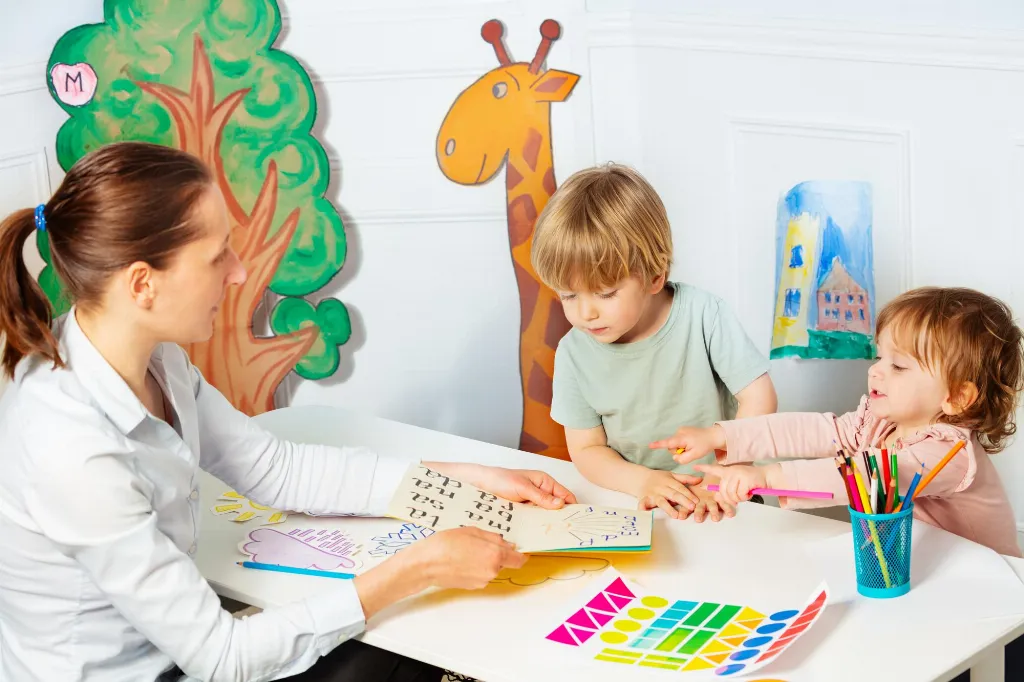
 Thinking about watching a few neighborhood kids in your home? This short article answers a common question for child care staff and directors: how many children can you watch in #Texas before you must get a permit? Why it matters: families want safe care and you want to protect your business and your #children. Good rules help everyone.
What counts as babysitting versus running a home daycare?
Short answer: it depends on how often you care for kids, how many, and if you are paid. Here are clear differences:
- Occasional babysitting: you watch kids now and then. This is usually not a regulated child care business. ✅
- Regular paid care: if you care for children on a schedule, for pay, and often, regulators call this a home daycare or child care operation. This usually needs registration or a license.
- Family exceptions: some states treat your own children differently. In Texas the rules for listed, registered, and licensed homes set clear counts — see Become a Child Care Home Provider in Texas.
Why it matters here in #Texas: the line between babysitting and a regulated #provider can change what you must do for background checks, training, and inspections. If you are unsure, call your local licensing office and keep notes of what they tell you.
How many kids can I watch in Texas without a license?
Texas has different in-home types. The simple counts are below. Numbers include unrelated children present at the same time (your own kids may count in some cases). See the full rules at Child Care Licensing in Texas and Become a Child Care Home Provider in Texas.
- 📌 Listed Family Home: up to 3 unrelated children at one time. This is the smallest operation.
- 📌 Registered Child-Care Home: up to 6 unrelated children (plus up to 6 additional school-age children after school), but total cannot exceed 12 with family members counted. This requires registration and training.
- 📌 Licensed Child-Care Home: 7 to 12 children. This needs a full license and more rules.
Key tips: 1) If you care for children regularly (set schedule, paid), Texas rules often apply. 2) Infants may change ratios—be careful. 3) If you are unsure, read How To Get a Daycare License In Texas and call HHSC. Always remember: state requirements vary - check your state licensing agency.
What changes when I cross the limit and need a license?
When your count moves from "listed" or informal care to a registered or licensed program, several new rules start. These protect kids and make your program professional. Main changes:
- 🛡️ Background checks: everyone living or working in the home usually needs criminal and child abuse registry checks. See background basics at Texas Child Care Regulations Buy Now $0.00.
- 👩⚕️ Training and certifications: caregivers often must complete 24 hours pre-service (8 hours before they count in ratio) and ongoing annual hours. Directors may need extra training like the 30-hour director annual. Read training details at Texas Child Care Training Requirements. If cost is a concern, consider available discounts on required courses by visiting Big Savings for Texas family child care providers to learn about reduced pricing for annual and pre-service training.
- 🏥 Health & safety rules: medication forms, immunizations, safe sleep, cleaning, and child illness policies are required.
- 🔍 Inspections and paperwork: licensed homes get inspections and must keep organized files for children and staff.
- 📋 Operations: you will file applications in the HHSC portal, get an operation number, and keep records for renewals and checks. For the full application steps see How To Get a Daycare License In Texas.
These rules help keep children safe and your #provider business protected. If you plan to grow, budget for training, background checks, and time for inspections.
How can I avoid mistakes and stay compliant?
Short plan: check, document, train. Use simple systems and a small checklist. Follow these steps:
- 🔎 Check the rules: read relevant ChildCareEd guides and HHSC pages. Start with Child Care Licensing in Texas and How To Get a Daycare License In Texas.
- 📞 Call licensing: ask exactly "How many unrelated children can I care for before a license is required?" Keep the name and date of the person you spoke with.
- 📝 Keep records: training certificates, background check results, health forms, attendance, and drills. Make a simple binder labeled "Inspection Folder."
- ✅ Plan ratios and coverage: never count staff who lack required training. Use substitutes when needed.
- 🧯 Practice safety: run drills, post evacuation routes, and keep first aid/CPR current. #safety matters.
Common mistakes — how to avoid pitfalls? 1) Assuming a friend’s answer applies to Texas. Fix: check HHSC and ChildCareEd resources. 2) Letting training lapse. Fix: track expiration dates. 3) Counting staff who aren’t fully qualified. Fix: require proof before they count in ratio.
Summary
There isn’t one number for every situation. In Texas the simple limits are: listed family homes (up to 3), registered homes (up to 6 unrelated, with school-age exceptions), and licensed homes (7–12). If you move from occasional babysitting to regular paid care, you will likely need to register or get a license. Steps to protect yourself: 1) Read ChildCareEd and HHSC guides, 2) call licensing, 3) keep good records, and 4) invest in training. For starting help see How To Get a Daycare License In Texas and training at Texas Child Care Training Requirements. Remember: state requirements vary - check your state licensing agency. Good planning keeps kids safe and your #provider work strong.
FAQ
- Q: Do my own children count? A: Sometimes. Texas rules count all children in care for some license types — ask HHSC.
- Q: Can I babysit 3 kids without a permit? A: Often yes for occasional care, but regular paid care may need registration.
- Q: Where do I apply? A: Use the HHSC provider portal. See How To Get a Daycare License In Texas.
- Q: What training do I need? A: New caregivers usually need 24 hours pre-service (8 before counting in ratio) and ongoing annual hours; directors need extra training. See Texas Child Care Training Requirements.
- 30 hour Texas Director Annual ONLINE
- Play Safe, Think Big: Literacy Through Play
- Pediatric Blended First Aid & CPR/AED Adult, Child, Infant
- Pediatric RSV First Aid & CPR/AED
- Pediatric In-Person First Aid & CPR/AED Adult, Child, Infant
- Potty Training Made Simple
- Texas Director Credential Renewal
- Texas Director Credential
- CDA Certification en Español: Recursos y Consejos para Educadores Bilingües
- 👧 ¿Cómo iniciar y abrir una guardería en Texas? Lo que necesitas saber
- Qué capacitación se requiere para ser director de cuidado infantil en Texas?
- 10 Ejemplos de Cómo la Cultura Influye en el Desarrollo Infantil
- Cómo Solicitar una Licencia de Guardería en Texas
- ¿Cómo solicito la licencia para una guardería en California?
- Lista para Guardería en Casa en Texas: Cómo Iniciar una Guardería en el Hogar
- Cómo Trabajar en el Cuidado Infantil en California: Requisitos y Pasos
- Daycare Center Requirements in Texas
- How to Become a Licensed Childcare Provider in Texas
- Daycare Grants in Texas for 2026: Child Care Funding and Support
- Celebrando la amistad en el cuidado infantil durante el Día de los Mejores Amigos
- How Many Kids Can You Babysit in Your Home Without a License?
- Cómo simplificar la capacitación para sus empleados de daycare
- How Many Kids Can You Watch Without a License in Nevada?
- How Many Kids Can You Watch Without a License in Texas?
- How Many Kids Can You Watch Without a License in Virginia?
- How Many Kids Can You Watch Without a License in Wisconsin?
- How Many Kids Can You Watch Without a License in North Carolina?
- Do You Need a Childcare License to Watch Kids in Your Home?
