Quiet children bring thoughtfulness, deep focus and careful observation to early learning—but educators often struggle to notice and build on those strengths. If you want practical, classroom-ready strategies to support introverted learners and strengthen your program's social-emotional practice, start with Brighter Futures: Social Emotional Development  Buy Now $16.00 to earn training hours and sharpen techniques for everyday interactions. Also consider Environments That Inspire Independence and Exploration Buy Now $55.00 for concrete ideas on arranging calm, choice-rich spaces that let the #introvert child shine.
What strengths do quiet, introverted children bring to early childhood settings?
Quiet children are often under-recognized because their energy presents differently than louder peers. Yet many show superior skills in sustained attention, careful #observation, thoughtful problem-solving, and reflective creativity. These children often process information deeply and can contribute original ideas when given time and the right invitation. A strengths-based view reframes shyness or restrained participation as part of a temperament profile rather than a deficit: it guides teachers to adapt expectations, task formats, and social routines to honor those preferences.
Why it matters: honoring these strengths improves engagement and reduces anxiety, building a classroom culture where diverse interaction styles succeed. Research and practice show that children who feel accepted for their natural styles take more productive social risks over time — often at their own pace — and eventually expand their participation without pressure.
How can I design the #classroom environment to support introverted learners?
Environment matters. Quiet learners need choice, predictable routines, and low-stimulation options so they can self-regulate and engage intentionally. Practical design moves include low shelves with focused materials, defined quiet corners, clear circulation paths, and visual schedules that set expectations. Consider grouping materials by interest to invite independent exploration and keep noise zones separate from calm work areas.
As an example, many providers adapt Montessori ideas to child care contexts: as part of Montessori classroom ideas, shelves are intentionally sparse and activities are self-contained—this supports an introvert's need for uninterrupted concentration.
- Offer predictable routines and preview transitions to reduce surprise.
- Provide a consistent quiet space where children may choose to work alone.
- Rotate materials so choices stay inviting and manageable.
- 📌 Use soft lighting, rugs, and natural materials to reduce sensory overload.
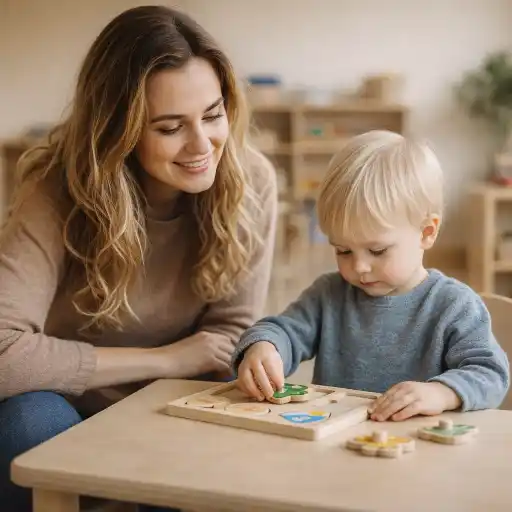
What classroom practices build participation without pressuring the quiet child?
Make participation flexible. Replace public cold-calling with low-pressure entry points: think partner talk, whisper responses, visual choice boards, exit tickets (picture or short phrase), or an adult-child preview. Small-group invitations — especially 2–3 peers or stable partner pairings — are powerful stepping stones to larger-group engagement.
Concrete strategies:
- Use predictable, scaffolded question stems so children can prepare answers.
- Allow nonverbal responses like thumbs, picture cards, or drawing.
- Plan roles that match preferences (recorder, illustrator, materials manager) so children contribute visibly but comfortably.
- Celebrate small wins privately and publicly to reinforce effort and competence.
For staff professional development that links social-emotional strategies to daily practice, consider Early Emotional Wellness Buy Now $16.00, which helps teachers spot anxiety signals and create emotionally safe routines.
How should observation and assessment guide individualized supports for quiet learners?
Intentional observation is the best guide. Track when and where the child engages, what materials attract sustained attention, and the social partners who feel safe. Use brief, regular notes or simple checklists to build a pattern of behavior across contexts: circle time, free choice, outdoor play. Observation helps you tailor invitations, scaffold next steps, and measure progress without relying on public participation as the sole indicator of learning.
Practical tools include anecdotal notes, frequency counts for voluntary contributions, and interest inventories completed with family input. Align your findings with individualized strategies: if a child engages best with drawing, offer drawing-based responses during morning meeting; if they prefer one familiar peer, design peer-buddy tasks.
Child care directors and teachers can build observation skills through courses like Brighter Futures Buy Now $16.00 or by taking training that focuses on classroom environments and observation-based planning as part of Supporting Children's Independence Buy Now $24.00. Also see ChildCareEd guidance on classroom management for ideas about structured observation and routines: Effective Classroom Management Strategies for Preschool Teachers.
How do we partner with families and avoid common pitfalls?
Family partnership is essential. Start with strengths-based conversations: ask what the child enjoys, where they feel confident, and the home cues that signal comfort or stress. Share concrete classroom strategies families can reinforce, such as previewing classroom activities at home, arranging short playdates with one familiar peer, or practicing brief role-play scripts.
Common mistakes and how to avoid them:
- Assuming silence equals disengagement — instead, verify through observation.
- Over-pushing participation — avoid public shaming or comparative praise.
- Using only whole-group assessments — include alternative evidence of learning (artifacts, one-on-one conferences).
State requirements vary - check your state licensing agency when adjusting routines or family involvement procedures. Programs can also support staff learning with broader training: Teach with Respect ONLINE Buy Now $24.00 offers frameworks for respectful interactions and cultural responsiveness that strengthen home–school collaboration.
Frequently asked questions
- Q: How quickly should I expect change? A: Progress is individual; celebrate small, measurable steps over weeks/months.
- Q: When is quiet behavior a concern? A: If the child shows distress, withdrawal from necessary learning, or regression, seek a team plan and consider mental health resources. Educators in New Hampshire can also find targeted stress-management classes and supports for childcare providers through Take Some Time for Yourself — New Hampshire.
- Q: Can group activities be adjusted for licensing standards? A: Yes — with documentation and predictable routines; state rules differ, so state requirements vary - check your state licensing agency.
- Q: How do I support a quiet child with language delays? A: Use visual supports, peer models, and one-on-one language scaffolds; consult specialists as needed.
- Q: Which training counts for professional development hours? A: Many ChildCareEd courses provide clock hours; review course pages for specific hour information.
Conclusion
Quiet children bring essential strengths—depth, focus, and thoughtful perspective—that enrich early childhood communities when we intentionally design curriculum, space, and relationships to include them. Use careful observation, low-pressure participation options, predictable routines, and family partnerships to scaffold growth without forcing change. State requirements vary - check your state licensing agency as you adapt practices, and consider continuing education through targeted courses (for example, Brighter Futures Buy Now $16.00, Environments That Inspire Independence and Exploration Buy Now $55.00, and Early Emotional Wellness Buy Now $16.00) to deepen your team's skills.
Keep the focus on strengths, trust the child's pace, and design a classroom where every child—loud or quiet—can demonstrate competence. The next step: pick one practical change you can test this week (a quiet corner, a partner talk routine, or a visual response system) and use observation to measure its impact.
- 45 Hour Child Growth and Development
- CDA Home Visitor Subject Area 3 Part 3 Birth to 5
- Teacher-Child Interactions for Stronger CLASS® Outcomes
- 45 Hour Preschool Methods and Materials
- Tracking Progress, Shaping Futures: Observation & Assessment Skills
- CDA Bridge Bundle: Family Child Care without Portfolio Review
- CDA Bridge Bundle: Infant/Toddler without Portfolio Review
- CDA Bridge Bundle: Preschool without Portfolio Review
- Culture, Communication, and Collaboration in Assessment
- Building Bridges for Dual Language Learners
- CDA Certification en Español: Recursos y Consejos para Educadores Bilingües
- How can Minnesota child care programs support children with special needs?
- How can music and movement strengthen early childhood programs in North Dakota?
- How Can We Support the Quiet Child's Strengths in Early Childhood?
- What Counts as Professional Development for Early Childhood Educators?
- What Is the Difference Between Early Childhood Education and Child Development?
- Special Needs Training for Early Childhood Educators: Which Course Should You Take?
- Can You Open a Daycare Just for Children With Special Needs? Licensing, Training, and Staffing Explained
- How Can Child Care Providers Set Age-Appropriate Expectations for Young Children?
- How Can Child Care Providers Support Healthy Toddler Development?
- How Can Child Care Providers Create Sensory-Friendly Learning Spaces for All Children?
- How Can Child Care Providers Discuss Behavioral Concerns Without Blaming Families?
- How Can Child Care Providers Support School-Age Development?
- How Can One Classroom Support Both Movers and Watchers?
- How Can Early Childhood Teachers Distinguish Typical from Atypical Development?
- What Are the Social-Emotional Milestones From Birth to Age 5?
- What Early Signs of Autism May Child Care Providers Notice?
- How Can Child Care Providers Support Children Who Dislike Applause or Public Recognition?
- How Can You Spot Leadership Potential in Quiet Preschool Teachers?
- When Might a Quiet, Cooperative Child Need Emotional Support?
