Teaching about bugs keeps play fun and safe. This short guide helps #childcare providers and directors in #NorthDakota teach simple, age-appropriate lessons about bugs. You will find why it matters, lesson ideas for different ages, prevention and first-aid steps, and guidance on building policies with families and staff. Use small routines, practice often, and remember: state requires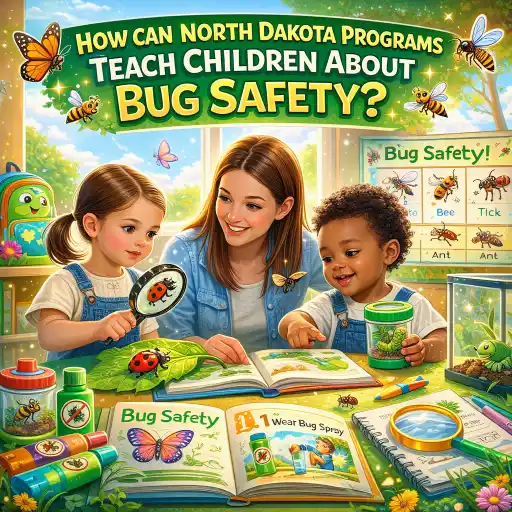
ments vary - check your state licensing agency. Hashtags to focus on: #bug #safety #outdoor #children #NorthDakota
Why does bug safety matter for young children?
Why it matters (short): 1. Safe outdoor routines protect health and make families confident. 2. Simple rules let children explore and learn without stopping play. 3. Teaching bug safety is part of good #outdoor learning and classroom planning — ChildCareEd has helpful activity guides and trainings for staff to build confidence: see DC bug safety page and general health & safety resources on ChildCareEd.
What age-appropriate lessons work for toddlers, preschoolers, and school-age children?
- Toddlers (1–3 years):
- 🍃 1. Use picture cards of bugs and simple rules: "Watch, don't touch."
- 2. Sensory bin with plastic bugs, scoopers, and handwashing after play.
- 3. Read a short bug book and sing a washing song to reinforce hand hygiene (CDC hand hygiene).
- Preschoolers (3–5 years):
- 🔎 1. Scavenger hunt with picture cards for safe finds (leaf, smooth rock, ladybug sighting). ChildCareEd shares nature activity ideas you can adapt: use nature as your classroom.
- 2. Life-cycle activities (caterpillar to butterfly) and observation journals.
- 3. Practice the "ask first" rule and role-play how to move calmly near bees.
- School-age (5–8 years):
- 🧭 1. Simple data charts: count insects seen and make a class graph.
- 2. Teach safe tick checks and how to spot habitats (edges of grass, leaf piles).
- 3. Small research projects: look up one local bug using photos from trusted sites and share with the class.
Tip: Use labeled nature tables, magnifiers, and clear safety rules. For activity packs and classroom ideas, you can adapt materials from preschool lesson sites while keeping safety first (example lesson packs: Pre-K resources).
How can we prevent bites and respond to stings or tick bites?
- Prevention steps:
- 👕 1. Clothing: light-colored clothes, long sleeves, and pants when ticks are likely. Tuck pants into socks on trails.
- 2. Repellents: follow label rules and family permission. See EPA/CDC guidance and apply sunscreen first, then repellent (per CDC and Health Canada summaries).
- 3. Yard checks: remove standing water, clear leaf litter, and keep woodpiles and trash away from play areas (Integrated Pest Management is best—see EPA IPM).
- If a child is stung or bitten:
- 🩺 1. Move the child to safety and stay calm.
- 2. For stings with a stinger: scrape it off, wash with soap and water, and apply a cold pack.
- 3. For tick removal: use fine-tipped tweezers, grasp close to the skin, pull straight up, wash, and save the tick in a sealed bag if possible.
- 4. 🚨 Call 911 for breathing trouble, fainting, or swelling of the face/throat. For other exposures, call Poison Control at 1-800-222-1222.
Document time, location, and care given. ChildCareEd offers clear response guides for bites and stings you can use in staff training: DC bug safety and general first-aid resources on ChildCareEd.
How do we build policies, train staff, and avoid common mistakes?
Build a simple plan everyone can follow. Numbered steps help make policies real.
- Plan and prevention:
- 📋 1. Write an IPM plan or contract with grounds staff to reduce pests before using chemicals (EPA IPM).
- 2. Keep an up-to-date list of children with allergies and medication plans; train staff on epinephrine use (see allergy/anaphylaxis training options on ChildCareEd).
- Training and family partnership:
- 👩🏫 1. Do short, repeat training (15–30 minutes) on tick removal, stings, and repellents.
- 2. Share simple family notes letting parents know your repellent and clothing policy. Get written permission when required—state requirements vary - check your state licensing agency.
- Common mistakes and how to avoid them:
- ❌ 1. Forgetting daily checks — fix: add a 2–3 minute yard scan to staff sign-in.
- ❌ 2. Overusing sprays instead of habitat fixes — fix: use IPM and tidy-up steps first.
- ❌ 3. Not documenting incidents — fix: keep a simple incident form and log ticks/stings.
FAQ (short): 1) Q: Can we use DEET on toddlers? A: Follow label and program policy; check age limits and get parental permission. 2) Q: When to call parents after a sting? A: Face stings, many stings, or any sign of allergic reaction. 3) Q: Who tests ticks? A: Families can bring saved ticks to clinics; document and advise parents to call their provider. 4) Q: Where to find lesson ideas? A: ChildCareEd nature and safety pages plus preschool activity packs (see linked resources above).
Conclusion
Keep bug learning simple, safe, and fun. Start with one routine and build: daily yard scan, one clear rule for children, quick staff training, and family notes. For broader seasonal guidance on age-appropriate outdoor activities, sun safety, and heat precautions, see Sunny Side Up: Smart & Safe Summer Fun for Kids. Five quick actions to start today:
- 👀 Do a 2–3 minute daily yard scan before outdoor play.
- 🧑🏫 Teach one clear rule to children: "Ask before you touch."
- 🧴 Follow repellent and sunscreen label rules and get parent permission.
- 📝 Keep incident and allergy plans up to date and practice drills.
- 📚 Use ChildCareEd and public health links above for lesson ideas and training: ChildCareEd North Dakota guide, CDC outdoor play, and EPA IPM.
Small, repeated steps let children enjoy the outdoors while staying safe. Keep the tone positive: bug learning builds curiosity and care. #bug #safety #outdoor #children #NorthDakota
Prevention and quick response keep children safe and calm. Use short checklists that staff can memorize.1) Kids are curious: they touch, pick up, and sometimes taste things outside. That means a bite, sting, or a poisonous plant touch can happen fast. 2) Outdoor time is healthy: the CDC explains how outdoor play helps bodies and brains while also noting bug risks. 3) Teaching safety builds science habits: noticing, asking, and caring for living things is real science for young children; see ChildCareEd's North Dakota nature guide for ways to include nature in daily play. Use short, hands-on lessons that match attention spans. Numbered ideas by age make planning fast.
- 45 Hour Child Growth and Development
- The ABCs of Behavior: Turning Challenges into Learning Opportunities
- Birth to Five CDA Credential with Portfolio Review
- Teach with Respect!
- Pediatric RSV First Aid & CPR/AED
- Lesson Planning to Meet School Age Needs
- Texas Director Credential
- Wellness in Action: Teaching Healthy Habits to Children
- CDA Certification en Español: Recursos y Consejos para Educadores Bilingües
- North Dakota Daycare Sick Policy: Fever, Vomiting, and Return-to-Care Rules
- Normas de Licenciamiento de Cuidado Infantil en Virginia para Centros Diurnos Infantiles y Hogares Diurnos Familiares
- Lista para Abrir una Guardería en Casa en Dakota del Norte: Cómo Empezar
- Cómo Trabajar en el Cuidado Infantil en Carolina del Norte: Requisitos y Pasos
- Las Mejores Ideas de Excursiones para Guarderías en Dakota del Norte
- Child Care Resource Center in North Dakota: What Is It and How Can It Help?
- How can North Dakota programs climb the Bright & Early ND steps before the July 2026 update?
- How do I become a licensed child care provider in North Dakota?
- How can North Dakota early childhood programs teach children about nature and wildlife?
- How can childcare programs support farm families with flexible care in rural North Dakota?
- What Does the Free School Meals Debate Mean for Child Nutrition in North Dakota?
- How can North Dakota child care programs plan now for tourism and population surges?
- How can North Dakota child care programs keep children safe from West Nile and tick-borne illness this summer?
- How can North Dakota programs teach children about bug safety?
- How can SUN Meals and CACFP keep North Dakota children fed all summer?
- How can my North Dakota program make the most of food programs like CACFP?
- How do I open a licensed group child care home in North Dakota?
- How can North Dakota child care programs prepare children for school using social-emotional skills?
- How Can Simple Cooking Activities Teach Skills in North Dakota Child Care Programs?
