Strong starts in our #Florida communities mean leaders in child care join learning, #health, and family supports so children thrive. This article helps providers and directors make simple, practical plans for 2026. We use clear steps, short lists, and links to trusted resources you can use today. Remember: state requirements vary - check your state licensing agency.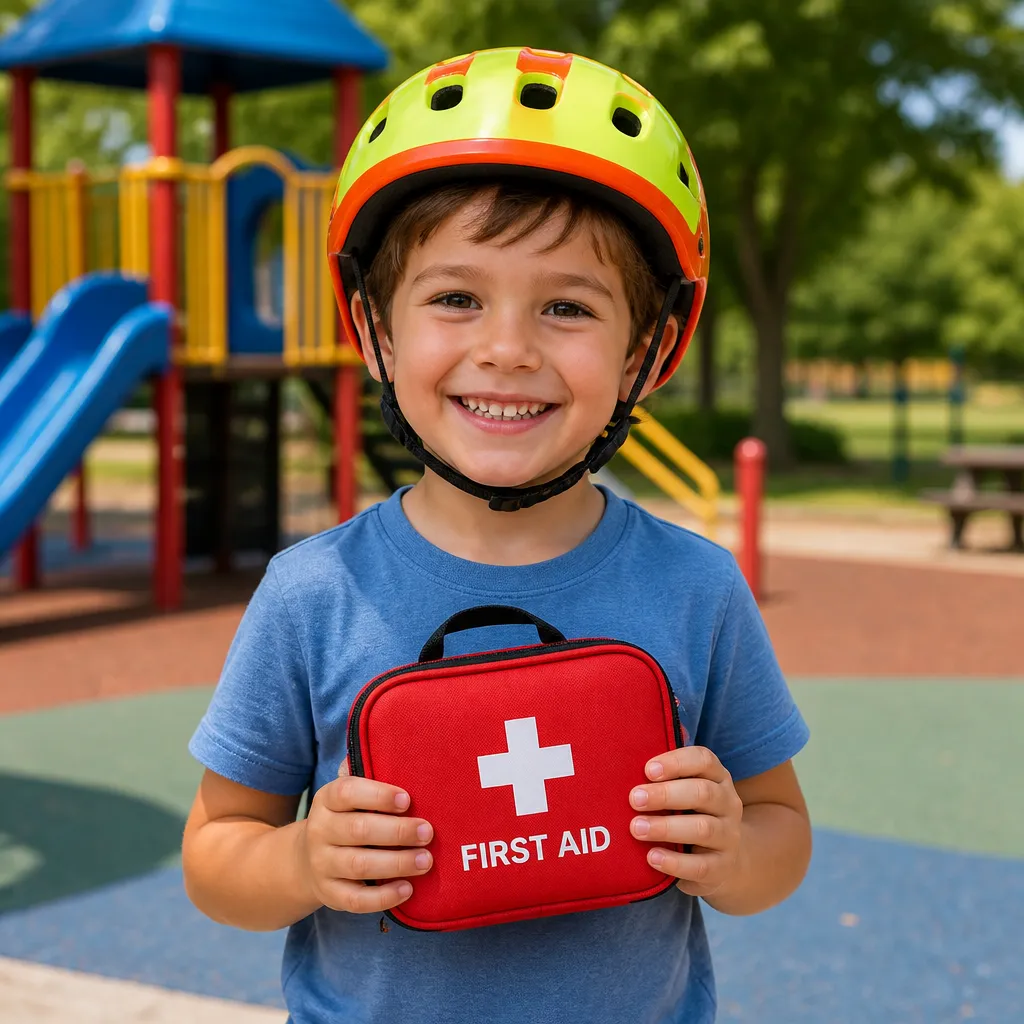
What changed in Florida early learning rules for 2026 — and why does it matter?
Why it matters:
- 1. Children benefit: better teaching helps early literacy and math before kindergarten.
- 2. Families want clear results: parents look for programs that show progress.
- 3. Programs that document quality are more likely to keep VPK seats and trust.
Practical quick wins: keep short monthly notes on child progress, train staff on strong interactions, and use simple portfolios (photos and child work) to show growth. See the Florida early learning standards for goals that match classroom plans: Division of Early Learning - Standards.
How can programs connect health and family supports to classrooms?
Simple steps to connect supports:
- 📋 Build a short local referral list: early intervention, health clinics, mental health consultants, and family resource centers.
- 🩺 Partner with health initiatives: federal and state programs such as newborn kit pilots and Maternal & Child Health grants support families—learn more from HHS about newborn supply kits: Supporting Families from the Start and the MCH Block Grant overview: Maternal and Child Health Services Block Grant.
- 🔍 Use Act Early tools and ambassadors to spot delays early: Find Your Act Early Ambassador.
How to talk with families:
- 1. Start with strengths and share one observation.
- 2. Offer one clear next step (call a number, make an appointment, or share a flyer).
- 3. Offer help filling forms or making calls when needed.
Programs that link health and family services reduce stress, improve attendance, and support children’s #learning and #health. For more on family engagement ideas, see ChildCareEd’s guide: Family Engagement Strategies.
What classroom and staff moves improve learning, health, and family partnerships?
Daily classroom actions (easy to start):
- 🙂 Keep predictable routines and visual schedules to reduce stress and improve behavior.
- 🎲 Build short small-group time (3–6 children) to teach the top two skills each child needs — FAST data can guide this for VPK classrooms (VPK FAST guide).
- 😌 Create a calm corner with sensory tools and feeling visuals to support mental health (see ChildCareEd tips on children's mental health: How Can Child Care Programs Support Children’s Mental Health?).
- 📚 Use family notes: one strength and one home idea. This boosts #families trust and engagement.
- 📘 Train staff: pick 1–2 short courses from ChildCareEd (health, family engagement, mental health) to build team skills: Health and Safety Training Resources Buy Now $0.00.
Why it matters: when classrooms are calm, healthy, and connected to families, children show better focus, fewer behavior challenges, and more joy in learning.
How should directors prepare for accountability, funding, and avoid common mistakes?
Directors play a key role in planning, documenting, and supporting staff. Use clear systems so your program stands out and meets new expectations.
Top leadership moves (easy to start):
- 📁 Keep one organized folder (digital or paper) for FAST records, staff training, and child portfolios.
- 🕒 Hold weekly 10–15 minute huddles to review observations and plan small-group instruction.
- 🤝 Build community ties: contact local Early Learning Coalition, health partners, and Act Early ambassadors for free supports.
- 💸 Hunt for grants for equipment or family supports—check state grant listings and local foundations (see grants listings for Florida: Grants for Preschools in Florida).
Common mistakes and how to avoid them:
- ⚠️ Mistake: Waiting until review time to organize records. Fix: Update files monthly.
- ⚠️ Mistake: Using FAST or one test alone. Fix: Pair FAST with teacher notes and portfolios.
- ⚠️ Mistake: Skipping family communication. Fix: send short, plain-language updates and tips.
FAQ (quick):
- Q: Who gives FAST? A: Trained staff in VPK must follow state testing windows — get training and follow instructions in the ChildCareEd FAST guide: VPK FAST guide.
- Q: Where do we find local health partners? A: Start with county health departments, Early Learning Coalitions, and Act Early ambassadors: Find Your Act Early Ambassador.
- Q: How do we pay for training? A: Look for low-cost ChildCareEd courses and regional grants; document CEUs to support staff growth: Training Resources Buy Now $0.00.
Directors who plan ahead make changes feel possible. Start small, use trusted links, and build on success. State requirements vary - check your state licensing agency for rules on screening, FAST testing, and documentation.
Summary
1. Connect classroom teaching, family supports, and health partners to help children succeed. Use resources from ChildCareEd on VPK, family engagement, health, and mental health to guide practice.
2. Do three simple things this month: organize records, set one small-group plan, and make a local referral list. For VPK and FAST steps, see ChildCareEd’s VPK guide: VPK 2026 changes.
3. Keep families at the center. Small notes, respectful referrals, and shared goals build trust and promote better outcomes for children and programs. For family engagement training, see: Community and Family Engagement in Childcare course  Buy Now $24.00.
You are not alone. Use local partners, ChildCareEd resources, CDC tools, and federal health programs to make 2026 a year of stronger starts in the #Florida early learning community. Programs still recovering from Hurricane Ian can find targeted recovery supports and a temporary training discount on the Florida We Support You page.
In 2026 Florida updated VPK rules. New ratings look at teaching quality, child progress, and learning gains. The FAST progress checks are part of that change. These updates mean programs must show both strong instruction and real learning growth over time. For a clear guide to the VPK changes and how FAST fits in, see the ChildCareEd overview on the 2026 VPK changes: How will Florida VPK change in 2026 with FAST, accountability, and curriculum quality?. Children learn best when health and family support are part of the plan. Programs can connect families to local services, medical help, and economic support so kids arrive ready to learn. Start with 1–2 concrete steps and grow your network from there. ChildCareEd explains ways educators help families find services: How Do Educators Help Families Access the Services They Need?. Small daily practices help a lot. Use routines, calm spaces, and simple teaching to support development and health. The CDC and ChildCareEd offer practical resources that match classroom life: see the CDC on early care and public health: Early Care and Education Providers — On the Frontlines of Public Health and ChildCareEd on healthy learning spaces: Creating Healthy Learning Environments in Childcare.
- CDA Home Visitor Subject Area 3 Part 3 Birth to 5
- Easy Steps to Resume and Interview Success
- Bienvenido! Welcoming All Families
- Unlocking Support for Florida Childcare
- Pediatric RSV First Aid & CPR/AED
- Equity in Action with Head Start
- Connections That Count: Building Relationships in Child Care
- Texas Director Credential
- Stress Release for Florida Teachers
- CDA Certification en Español: Recursos y Consejos para Educadores Bilingües
- Child Care in Florida in 2026: Trends, Changes, and What to Expect
- Cómo Abrir Una Quardería En Casa Sin Dinero?
- Capacitación en Salud y Seguridad Preventiva en Línea para Proveedores de Cuidado Infantil
- Regulaciones de Cuidado Infantil en Maryland para Centros y Hogares de Cuidado Infantil Familiar
- Regulaciones de Licenciamiento de Cuidado Infantil en California para Centros y Hogares de Cuidado Infantil Familiar
- Proporciones de Cuidado Infantil y Tamaños de Grupo por Edad en Maryland (Guía Rápida para Centros y Hogares)
- Proporciones de Cuidado Infantil y Tamaños de Grupo por Edad en Virginia (Guía Rápida para Centros y Hogares)
- Capacitación Previa al Servicio para Proveedores de Cuidado Infantil en Georgia
- How Can Florida VPK Providers Stand Out Under the New 2026 Accountability System?
- What new child care news in Florida should providers know and how can training help?
- Capacitación CDA gratuita en Illinois
- How will Florida VPK change in 2026 with FAST, accountability, and curriculum quality?
- What Were the Key Takeaways from Florida's 2026 Early Educators Conference on Behavior, Music, and Fine Motor Skills?
- How can Florida providers connect early learning, health, and family support in 2026?
- Cómo simplificar la capacitación para sus empleados de daycare
- VPK Victory: Why Does Florida’s Push for Stronger Pre-K Funding Matter to Providers and Families?
- Can Florida’s early learning push help infant teachers build stronger family partnerships?
- How Can Daycare Providers Find Grants That Are Still Open in 2026?
