Every day you care for children and want them to be safe. Good training helps teams spot harm early, report correctly, and support children after a scary event. This short guide explains what training is, why it matters, how to pick and finish courses, and what to do when you suspect abuse. Remember: state requirements vary - check your state licensing agency. You will see links to trusted ChildCareEd classes and public resources to help your program stay steady and safe.
What is child abuse and neglect training and who should take it?
1. Child abuse and neglect training teaches staff to recognize signs of harm, know legal duties, and make clear reports. Many programs use short online courses that end with a printable certificate. For example, ChildCareEd explains what an online abuse and neglect training certificate is and who should take it.
- 👩🏫 Teachers, assistant teachers, and substitutes
- 👶 Infant and toddler caregivers
- 🧑💼 Directors and administrators
- 🏠 Family child care providers
- 📋 New hires and anyone who must renew training
3. Special trainings exist for mandated reporters and state-specific rules. See ChildCareEd’s Mandated Reporters  Buy Now $16.00 course and the Recognizing & Reporting Buy Now $7.00 course for examples. Good training also covers #childsafety, #training, and how to be a #mandatedreporter.
Why does this training matter for my staff and the children?
1. Why it matters:
- 🙂 Early help: Training helps staff notice small signs before problems grow. The CDC explains that safe, stable, and nurturing relationships prevent abuse and reduce harm as part of CDC prevention guidance.
- 📜 Legal duty: Many staff are legally required to report. Training shows what to report and how to keep children safe while the case is handled. Learn more from ChildCareEd’s guide for educators.
- 💬 Better support: Training teaches staff how to listen to children with calm care, and how to give helpful follow-up that lowers further harm. Trauma-informed approaches are part of this work as part of Trauma-Informed Care training.
2. Why it helps your program:
- Builds family trust when families see staff are trained.
- Protects your license and shows you follow rules — remember, state requirements vary - check your state licensing agency.
- Improves classroom routines so children feel safe and learn better.
Training matters because it gives staff tools, confidence, and shared steps for action. It connects to wider prevention work and to resources like ChildCareEd courses and CDC advice.
How do I choose, complete, and store the right training?
1. Steps to pick a good training:
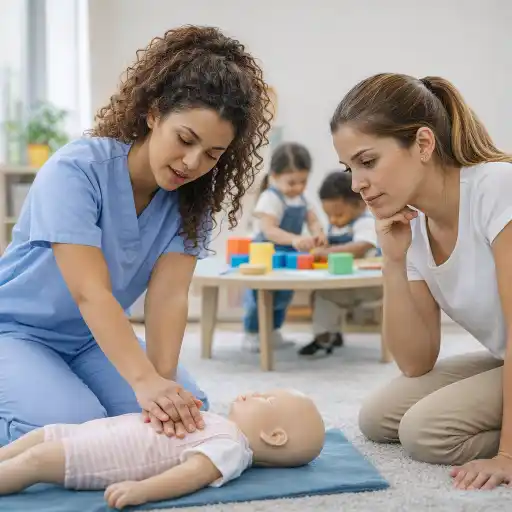
- 🔍 Check state approval: Confirm the course meets your licensing hours and topics. ChildCareEd lists state-accepted courses and tips in its certificate guide.
- 💻 Look at format: Choose clear, short lessons with checks and a final test. ChildCareEd’s 1-Hour Abuse and Neglect Training Buy Now $10.00 uses slides, audio, and checks to support learning.
- 💲 Compare cost and time: Find a course your team can finish without stress.
2. How to finish and get your certificate:
- 🖊 Register and pay (if required).
- 🎧 Complete all sections and answer review questions.
- ✅ Pass the final test (many courses require an 80% pass rate).
- 📧 Receive and save the emailed certificate.
3. Record keeping — make it simple:
- 📂 Keep a paper and a digital file for each staff member.
- 🔁 Note renewal dates and set reminders.
- 🔒 Store records where licensing inspectors can find them but keep staff privacy.
4. Common mistakes and how to avoid them:
- ⚠️ Waiting to report until you’re sure — report on reasonable suspicion.
- ⚠️ Writing opinions instead of facts — note exactly what you saw or the child said.
- ⚠️ Losing certificates — save both digital and printed copies.
Use courses like ChildCareEd’s Essential Guide to help pick steps that fit your program. These practices support #training and reduce staff stress.
How do we spot signs and make a safe, correct report?
1. Signs to watch for (use facts, dates, and calm words):
- 🩹 Physical signs: unexplained bruises, burns, or repeated injuries.
- 😔 Behavioral signs: sudden withdrawal, big mood swings, fear of certain adults.
- 🕰 Neglect: chronic hunger, poor hygiene, or missed medical care. Learn more about recognizing neglect and the responsibilities of educators as mandated reporters in our Neglect guide.
- ⚠️ Sexual signs: age-inappropriate sexual behavior or pain in private areas.
2. What to do right away (clear steps):
- 👂 Listen calmly. Do not push for details or promise secrecy.
- 📝 Document exactly what you saw, heard, and when. Use dates and quotes if the child spoke.
- 📞 Report to CPS or your state hotline. See ChildCareEd’s procedures for reporting and the Illinois reporting guide for examples of steps and protections.
- 🤝 Support the child with calm care and keep routines steady after the report.
3. Legal notes: Mandated reporters must follow state law. If you are unsure whether you are a mandated reporter, resources like FindLaw’s guide explain who must report. ChildCareEd’s Mandated Reporters Buy Now $16.00 course also teaches the steps. For a concise explanation of who is a mandated reporter, the types of abuse covered, and the practical reporting duties for childcare professionals, see our Mandated Reporters overview.
4. After you report: keep calm, keep records, and work with investigators. Your honest, factual notes are one of the best helps to keep a child safe. Training builds the habit of careful documentation and kind response so children get help and programs stay strong. This is why #reporting and #trauma-aware responses matter.
Conclusion and FAQs
Summary: Training helps staff spot problems early, report the right way, and support children afterward. Use trusted courses, keep records, and make reporting a shared practice across your team. For course choices and state tips, see ChildCareEd resources on ChildCareEd and public guidance like the CDC.
Frequently asked questions
- Q: How long are most trainings? A: Many are 1–2 hours; longer certificates exist for more credits. See ChildCareEd’s 1-Hour Buy Now $10.00 and other course listings.
- Q: Will I get a certificate? A: Yes, reputable courses email a certificate after you pass the final test.
- Q: What if I’m not sure? A: Report on reasonable suspicion — it’s not your job to investigate. Agencies will decide next steps. See the Illinois guide for more.
- Q: Can I take training on any device? A: Desktop or laptop in Chrome is best; audio helps for narrated slides.
Thank you for doing this hard, important work every day. You make your #childsafety work stronger by training, documenting, and caring. Keep learning, support each other, and check state rules often — state requirements vary - check your state licensing agency.
- CDA Preschool Credential with Portfolio Review
- Mandated Reporters
- CDA Family Child Care Credential with Portfolio Review
- CDA Bridge Bundle: Preschool
- CDA Infant/Toddler Credential with Portfolio Review
- CDA Bridge Bundle: Family Child Care
- CDA Bridge Bundle: Infant/Toddler
- Recognizing and Reporting Child Abuse and Neglect
- Texas Director Credential
- Childhood Neglect
- Recursos en Español sobre el Sueño Seguro del Bebé
- Capacitación en Salud y Seguridad Preventiva en Línea para Proveedores de Cuidado Infantil
- Regulaciones de Licenciamiento de Cuidado Infantil en California para Centros y Hogares de Cuidado Infantil Familiar
- Cómo Trabajar en el Cuidado Infantil en California: Requisitos y Pasos
- Capacitación Previa al Servicio para Proveedores de Cuidado Infantil en Nevada
- How Can Child Care Staff Recognize Signs of Child Abuse and Neglect?
- What must Minnesota child care providers know about mandated reporting?
- How can Minnesota child care programs prevent and report child abuse?
- Canciones, juegos y preguntas de círculo para niños
- Cómo simplificar la capacitación para sus empleados de daycare
- How can Child Abuse and Neglect Training keep children safe in your program?
- Foster Parent Annual Training with ChildCareEd
- Why is Child Abuse and Neglect Training Important for Child Care Providers?
- How Can Michigan Child Care Providers Recognize and Report Child Abuse?
- How Should Childcare Providers Recognize and Report Child Abuse and Neglect?
- How Do You Know Whether Your Child Abuse Training Is Still Valid?
- What Daycare Certification Requirements Must You Complete Before You Can Start Working?
- Who Needs Child Abuse and Neglect Training—and How Often Do You Have to Take It?
- How Can Child Care Providers Recognize and Report Suspected Child Abuse and Neglect?
