When children can shift from slow, careful steps to quick squirrel-like movement—and stop safely on cue—they are practicing more than gross-motor skills. Try this playful autumn game to build body awareness, listening, and self-regulation, and explore Balancing Active Play in Child Care for deeper guidance on planning structured and child-led movement throughout the day. The course can help you make activity a balanced, purposeful part of your classroom routine.
Why practice changing speed and stopping during play?
Young children benefit from opportunities to notice how their bodies move and adjust their actions to a signal. In a game of “slow like a falling leaf, fast like a squirrel,” children experiment with different paces, pause their bodies, and restart. These playful repetitions engage large muscles while inviting children to listen, remember a simple rule, and manage the impulse to keep moving.
The aim is not perfect stillness or a race to respond first. Children are developing at different rates, and a pause may take practice. When adults model the movements and celebrate effort, the game becomes a supportive opportunity to explore #movement, balance, coordination, attention, and emerging self-regulation. A stop cue can also support safer transitions between active and quieter parts of the day.
Physical activity belongs across the daily routine, not only in a special lesson. The CDC’s early-care physical-activity standards recommend adequate indoor and outdoor play space, adult training in age-appropriate movement, and opportunities for structured and unstructured active play. See the CDC physical activity standards for early care and education. State requirements vary - check your state licensing agency.
How do you set up the Autumn Speed and Stop Movement Game?
Choose an open, uncluttered area indoors or outdoors. Mark a boundary children can easily see, and remove loose items that could cause trips. You need no special equipment; optional picture cards can show a leaf, squirrel, and stop signal. Before starting, demonstrate each action at a comfortable pace and explain that children should stay in their own movement space rather than racing into one another.
- Tell children: “When I say ‘falling leaf,’ move slowly and gently. When I say ‘squirrel,’ move quickly but safely. When I say ‘freeze,’ pause your body.”
- Model slow steps, gentle arm movements, and quicker walking in place or within a clear path. Running is not necessary.
- Practice each cue separately, then mix the cues. Keep rounds brief—about five to ten minutes is plenty.
- Use a calm, consistent voice or visual signal for “freeze,” and allow a moment for children to respond.
For an easy seasonal movement break, the printable Move Like a Squirrel activity guide Buy Now $2.00 offers action cards and gentle movement ideas, including seated options. Keep the tone imaginative: children are exploring movement, not being tested on speed.
How can you guide children through slow, fast, and stop cues?
Begin with “falling leaf.” Invite children to walk slowly, reach gently, or sway as if the breeze is carrying a leaf. Ask what they notice: “Are your steps small or big?” “What happens to your arms when the leaf drifts?” Then introduce “squirrel” as a change of pace. Children may take quicker steps in place, move along the boundary, or pretend to gather an acorn. Give a clear reminder that “fast” means controlled movement—not pushing or racing.
Add the stop cue after children have experienced the two speeds. Say “freeze” and demonstrate a stable, comfortable pose. If stopping abruptly is difficult, invite children to slow down first, then pause. This progression supports success while preserving the challenge of switching actions. You can vary the cues with a drumbeat or music, but keep the signal predictable.
Make the game responsive rather than elimination-based. If a child continues moving after the cue, simply repeat it, model again, or offer a slower step toward stillness. A child can also watch first, move seated, or use smaller gestures. Recognize strategies and effort: “You heard the signal and brought your steps to a stop.” This strengths-based feedback gives children useful information without comparing their performance with peers.
How can you adapt the game for different children and spaces?
Adapt the movement, not the child’s right to participate. Children differ in mobility, balance, sensory preferences, confidence, language, and familiarity with group games. Keep the learning goal—changing pace and responding to a cue—while adjusting how children take part. Offer choices before play begins and make each option a normal part of the activity.
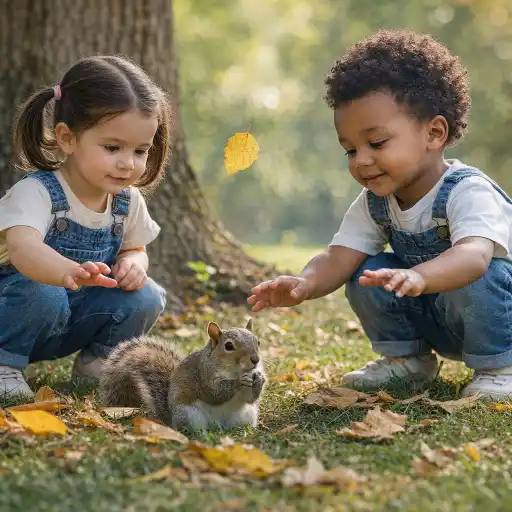
- Offer walking, stepping in place, reaching, swaying, or seated arm movements.
- Use picture cards or gestures alongside spoken directions for children who benefit from visual cues or additional processing time.
- Make the route shorter, widen the movement area, or reduce noise and group size.
- Allow a child to observe a round before joining, or invite them to hold up the next cue.
- Use a partner or a clear floor marker to support personal space without creating a competition.
In a small classroom, ask children to stay near their own spot: slow leaf arms, quick finger taps or marching in place, and a freeze pose. Outdoors, define boundaries and check the surface and weather before play. Adults should position themselves to see the whole group and notice when the pace or space needs adjustment. The ChildCareEd guide to gross-motor activities includes practical adaptations such as seated movements, visual supports, and equipment adjustments.
What common pitfalls can providers prevent?
Fast-and-stop games are simple, but thoughtful facilitation helps keep them safe and encouraging. One common pitfall is making speed the measure of success. That can shift attention away from controlled movement and make children feel pressured. Keep the purpose on noticing cues, trying different actions, and finding a comfortable way to pause.
Another challenge is giving too many instructions at once. Teach one cue, model it, and let children practice before adding the next. Avoid elimination rules, which can turn a movement opportunity into a competition or leave children waiting on the sidelines. Instead, repeat the cue or adjust the activity so everyone can stay involved.
- 🧡 If the group becomes crowded, pause and reset personal-space markers before continuing.
- Use a clear, consistent stop cue rather than several signals that may confuse children.
- Keep the activity short and provide a gentle transition afterward, such as slow breathing or walking to the next area.
- Do not use active play as a reward for compliance or take it away as punishment.
Before each round, check the route, equipment, footwear, and boundaries, and maintain active supervision. For outdoor play, account for surface conditions and weather. The CDC’s outdoor play and safety guidance offers additional considerations for early care settings.
How can you build movement control into the daily schedule?
A brief autumn game can become part of an ongoing rhythm of active, creative, and quieter experiences. Use it as a movement break before circle time, a transition after a seated activity, or an outdoor invitation when the group needs a new idea. Children do not need a long lesson to benefit; short, repeated chances to move and pause let them practice in a familiar, low-pressure context.
Notice what helps the group participate. Do children respond more readily to picture cues, a song, a spoken phrase, or a demonstration? Does a smaller group create more room to move? A few brief observations can help you decide what to keep or change. Share specific, positive examples with families, such as, “Today, Sam tried slow steps and paused when the leaf card appeared.”
Directors can support staff by making active play a planned part of schedules, ensuring usable movement space, and discussing adaptations during team planning. The ChildCareEd course Balancing Active Play in Child Care explores structured and unstructured activities, balanced schedules, and ways to use available materials to support development. Check with your state licensing agency about applicable requirements and professional-development rules.
Conclusion: How does this game help children control their movement?
“Slow like a falling leaf, fast like a squirrel” gives children a memorable way to experiment with pace, listen for a cue, and bring their bodies to a pause. With a clear setup, simple modeling, active supervision, and flexible participation options, providers can make this seasonal game safe and welcoming for a range of abilities.
The central goal is not to make every child stop instantly or move at the same speed. It is to offer repeated, joyful practice in movement control while respecting each child’s pace and needs. Start with a few minutes, keep the cues consistent, and notice the small successes. For a fuller approach to balancing movement with other parts of the day, explore the linked ChildCareEd course.
- Basic Health & Safety and Breastfeeding Awareness
- What Makes Me Special: An Overview of Autism and ADHD
- CDA Bridge Bundle: Preschool
- Working Together: Teachers & Preschoolers
- Sensitive Periods in Montessori: Guiding Natural Learning
- Wellness in Action: Teaching Healthy Habits to Children
- Preventative Health and Safety
- CDA Certification en Español: Recursos y Consejos para Educadores Bilingües
- ¿Cómo empiezo mi certificación CDA en Florida en línea?
- Proporciones de Cuidado Infantil y Tamaños de Grupo por Edad en Maryland (Guía Rápida para Centros y Hogares)
- Proporciones de Cuidado Infantil y Tamaños de Grupo por Edad en Virginia (Guía Rápida para Centros y Hogares)
- Actividades de Otoño Fáciles para Preescolares esta Temporada
- Cómo Trabajar en el Cuidado Infantil en Carolina del Norte: Requisitos y Pasos
- Cómo Ser Maestra de Preescolar en Virginia
- Celebrando la amistad en el cuidado infantil durante el Día de los Mejores Amigos
- Canciones, juegos y preguntas de círculo para niños
- Cómo simplificar la capacitación para sus empleados de daycare
- How can leaf-themed art and science activities deepen learning in my child care program?
- Count It, Sort It, Find It! Fall Math Games for Preschoolers
- How Can Simple Fall Activities Support Kindergarten Readiness Through Play?
- Why Do Some Preschoolers Struggle to Listen and Follow Directions During Group Games?
- How Can Simple Movement Breaks Help Restless Preschoolers Reset?
- How Can Fall Movement Games Rescue Rainy Recess in a Small Child Care Classroom?
- How Can Fall Path Games Help Preschoolers Prepare to Write?
- Before You Turn the Page: How Can You Help Preschoolers Predict What Happens in Fall Stories?
- How Can a Falling Leaf and a Squirrel Help Preschoolers Practice Movement Control?
- Can You Carry It Without Dropping It? Fall Balance Games for Preschoolers
