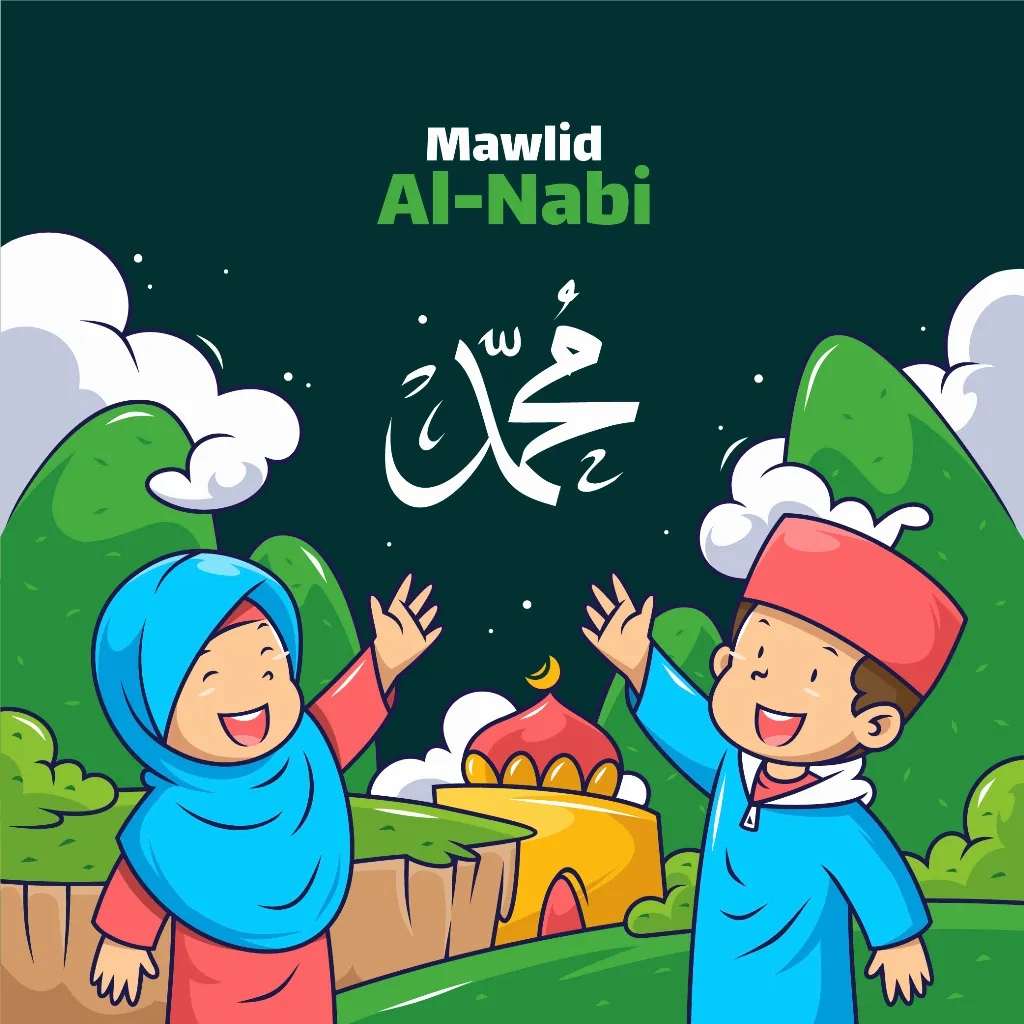
 Mawlid al-Nabi (also called Mawlid) is a day many Muslims use to remember the Prophet Muhammad and reflect on his life and teachings. It is often connected with kindness, gratitude, and giving. Celebrations can look different across families and communities and some Muslim families do not observe Mawlid so it’s important to plan in a respectful, family-centered way.
This guide shares simple, gentle classroom ideas that work well in child care settings.
What is Mawlid al-Nabi?
Mawlid al-Nabi is an Islamic observance tied to the Prophet Muhammad’s birthday in the Islamic (lunar) calendar. Many communities mark it with learning, prayer, poetry, and acts of charity, but practices vary widely.
Important classroom note: Because not all families celebrate Mawlid, the safest approach in child care is to focus on universal values (gratitude, kindness, helping others) and invite families to share what feels comfortable.
How can programs celebrate in a respectful, inclusive way?
A good plan starts with families.
Try these simple steps:
-
Ask before you plan. Send a short note: “Some families observe Mawlid al-Nabi. Would you like us to include gentle activities about gratitude and giving?”
-
Offer an opt-in option (or provide a quiet alternative activity).
-
Use respectful language. Keep it calm and age-appropriate—no pressure, no debates.
-
Keep the focus on character skills children can understand: kindness, sharing, caring, gratitude. #inclusion
If you want classroom-ready ideas, this ChildCareEd resource is made for educators:
What gentle Mawlid activities can I do that focus on gratitude and giving?
Below are easy activities that fit toddlers through preschool (and can be adapted for infants and school-age).
1) Gratitude Hearts Wall
What children do: Children add a heart (or handprint) to a wall that says, “We are thankful for…”
Keep it simple: Offer choices like:
-
“family”
-
“friends”
-
“food”
-
“teachers”
-
“safe home”
Teacher script:
“Gratitude means noticing good things and saying thank you.”
2) Kind Words Basket
What you need: A basket and picture cards (smiling face, helping hands, sharing toy).
What children do: Pull a card and practice a kind phrase:
-
“Can I help?”
-
“You can have a turn.”
-
“Are you okay?”
-
“Thank you.”
This is a gentle way to build social skills and lowers conflict. #socialemotional
3) Giving Chain (Paper Links)
What children do: Each time the class does a kind action, add a paper link to a chain.
Kind actions can be tiny:
-
picking up toys
-
holding the door
-
offering a tissue
-
inviting a friend to play
Tip: Keep the chain in the hallway so families can see your classroom kindness grow.
4) “Sunnah of Kindness” Story Time (Values-Based)
Many families connect Mawlid with learning about good character. In child care, keep it general and respectful.
Choose books that highlight:
-
helping others
-
fairness
-
patience
-
gentle words
After reading, ask one simple question:
-
“What kind choice did the character make?”
5) Classroom Charity Box (Community Helper Giving)
If your program allows, try a small giving project that is not tied to any one religion:
-
donate children’s books
-
donate diapers (if your community accepts them)
-
make cards for a local nursing home
-
collect socks for a shelter
Keep it child-friendly:
“We are giving to help other families.” #giving
How do I adapt these activities for different ages?
Infants (0–12 months):
-
Focus on warm routines: gentle voices, comfort, predictable care
-
Use simple words: “You’re safe. I’m here.”
-
Show soft pictures (smiling faces) and mirror expressions
Toddlers (1–2 years):
-
Keep activities very short (2–5 minutes)
-
Use real objects: a “helping hands” puppet, a basket of thank-you pictures
-
Practice one phrase at a time: “Thank you!”
Preschool (3–5 years):
-
Add small group discussions (5 minutes)
-
Encourage simple reflection: “What made you feel thankful today?”
-
Create a kindness plan: “How can we help our classroom friends?”
What should I say to families (so communication feels warm and safe)?
Families appreciate clarity and choice.
A simple message you can send:
-
“This week we’re doing gentle activities about gratitude and giving. Some families connect these ideas with Mawlid al-Nabi. Activities will focus on kindness, thankfulness, and helping others. If you’d like to share a tradition or prefer an alternative activity for your child, please tell us.”
If your team wants stronger family communication tools, this training can help:
Which ChildCareEd trainings support respectful, inclusive holiday practices?
These courses connect well to planning inclusive celebrations and working with diverse families:
-
Diversity, Equity, and Inclusion in Education Buy Now $25.00
-
Bridging Cultures: Family Communication & Collaboration
 Buy Now $55.00
What common mistakes should child care programs avoid?
Mistake 1: Assuming all Muslim families celebrate Mawlid.
Better: Ask families first and offer choices. Some communities celebrate it, and some do not.
Mistake 2: Making the day feel “too big” for young children.
Better: Keep activities gentle, short, and play-based.
Mistake 3: Turning it into a “lesson about religion” instead of a values-based activity.
Better: Focus on kindness, gratitude, and giving—ideas children can understand.
Mistake 4: Forgetting to support staff with language.
Better: Give teachers a short script (what to say, what not to say) so everyone feels confident.
FAQ: Quick answers for directors and teachers
Q1: Do I have to celebrate Mawlid al-Nabi in child care?
No. Programs can choose inclusive, values-based activities. Family input should guide your approach.
Q2: What if a family asks us not to participate?
Offer an alternative activity and respect the request.
Q3: Is it okay to say “Mawlid al-Nabi” to children?
Yes, if families are comfortable and you keep it simple: “Some families remember a special day. We are practicing gratitude and kindness.”
Q4: Where can I get ready-to-use classroom ideas?
Use this ChildCareEd resource: https://www.childcareed.com/r-00828-mawlid-al-nabi-classroom-activities.html Buy Now $0.00
What’s a helpful related ChildCareEd article for teachers?
For a broader guide on respectful, inclusive classrooms, this is a strong read:
- 18-Hour Train the Trainer
- Building Bridges for Dual Language Learners: For Workforce Solutions
- Basic Life Support (BLS) In-Person Healthcare Providers
- Open Ears: Listening in Child Care
- Play Safe, Think Big: Literacy Through Play
- 24 Hour Texas Pre-Service
- Texas Director Credential
- Montessori Cultural Activities: Exploring the World Through Play and Learning
- Family Child Care: Building, Premises, and Outdoor Safety
- CDA Certification en Español: Recursos y Consejos para Educadores Bilingües
- 🩺 Cumplimiento de Salud e Inmunización en Cuidado Infantil de Nevada ✔️
- ¿Cuáles son los pasos, requisitos y opciones en línea para la certificación de 90 horas en cuidado de Infantes/Toddlers en Maryland?
- ¿Cómo empiezo mi certificación CDA en Florida en línea?
- Actividades de Motricidad Gruesa que Desarrollan el Equilibrio, la Coordinación y la Fuerza
- Capacitación en Salud y Seguridad Preventiva en Línea para Proveedores de Cuidado Infantil
- Actividades de Fiesta para Niños de Preescolar y Primaria
- ¿Cómo solicito la licencia para una guardería en California?
- Normas de Licenciamiento de Cuidado Infantil en Virginia para Centros Diurnos Infantiles y Hogares Diurnos Familiares
- Proporciones de Cuidado Infantil y Tamaños de Grupo por Edad en Maryland (Guía Rápida para Centros y Hogares)
- Proporciones de Cuidado Infantil y Tamaños de Grupo por Edad en Virginia (Guía Rápida para Centros y Hogares)
- Horas de Capacitación Anual para Proveedores de Cuidado Infantil en Maryland
- ¿Cuál es la Diferencia Entre la Crianza Respetuosa y la Crianza Permisiva?
- Lista para Guardería en Casa en Texas: Cómo Iniciar una Guardería en el Hogar
- Cómo Trabajar en el Cuidado Infantil en California: Requisitos y Pasos
- Cómo Ser Maestra de Preescolar en Maryland
- Capacitación Previa al Servicio para Proveedores de Cuidado Infantil en Dakota del Norte
- Capacitación Previa al Servicio para Proveedores de Cuidado Infantil en Nevada
- How can childcare providers effectively teach gratitude to young children?
- Mawlid Around the World: How Kids Can Explore Different Traditions and Celebrations
