 Infectious diseases are illnesses caused by germs such as bacteria, viruses, or fungi. These germs spread easily, especially in childcare settings where young children #play, share toys, and are still learning #healthy habits.
In Illinois childcare programs, preventing infectious diseases is a key part of keeping children, #staff, and families #safe. Young children touch many surfaces and often put their hands in their mouths. This makes it easy for germs to move from one person to another.
Preventing the spread of illness helps:
-
Keep children healthy and ready to learn
-
Reduce staff absences
-
Support families who depend on reliable care
-
Meet Illinois #health-and- #safety expectations
Strong prevention practices support #ChildHealth, #EarlyChildhoodEducation, and #HealthAndSafety every day.
🔄 How Do Infectious Diseases Spread in Childcare Settings?
Understanding how germs spread is the first step in stopping them.
Infectious diseases commonly spread through:
-
Direct contact (touching, hugging, hand-to-hand play)
-
Respiratory droplets (coughing, sneezing, talking)
-
Contaminated surfaces (toys, tables, door handles)
-
Food and drinks (shared utensils or cups)
-
Bodily fluids (saliva, mucus, blood)
Because children are still learning hygiene skills, staff play a major role in modeling and teaching healthy behaviors.
📋 What Are Illinois Childcare Providers Responsible For?
Illinois childcare providers are expected to follow state #health-and safety guidelines to reduce the spread of illness. While rules may vary by program type, all providers share the responsibility of creating a clean and healthy environment.
Key responsibilities include:
-
Following daily cleaning and sanitizing routines
-
Teaching and supporting handwashing
-
Monitoring children for signs of illness
-
Communicating health policies with families
-
Staying informed through ongoing training
Training helps staff understand best practices and stay confident in their daily routines.
🧼 Why Is Handwashing One of the Most Important Prevention Tools?
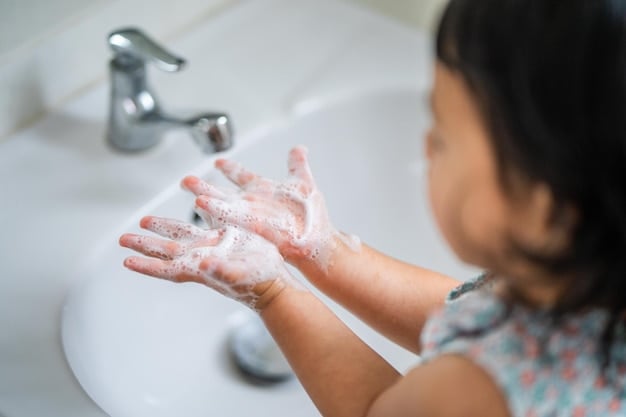
Handwashing is one of the easiest and most effective ways to stop germs from spreading. It should be taught, practiced, and supervised throughout the day.
Hands should be washed:
-
When children arrive at the program
-
Before and after eating
-
After using the restroom or diapering
-
After coughing, sneezing, or wiping noses
-
After #outdoor-play
-
After handling bodily fluids
Proper handwashing includes using soap, scrubbing for at least 20 seconds, rinsing well, and drying with a clean towel.
🧽 How Do Cleaning and Sanitizing Reduce Germs?
Cleaning removes dirt and germs, while sanitizing lowers the number of germs on surfaces. Both steps are important in childcare settings.
Daily cleaning routines should include:
-
Toys and learning materials
-
Tables, chairs, and countertops
-
Bathroom surfaces
-
Door handles and light switches
-
Cribs, mats, and sleeping areas
Items that children put in their mouths should be cleaned and sanitized often. Keeping a clear schedule helps staff stay consistent.
📑 What Role Do Health Policies Play in Disease Prevention?
Clear health policies help everyone know what to expect. Policies should be shared with staff and families and followed consistently.
Strong health policies include:
-
When children should stay #home due to illness
-
How sick children are cared for until pickup
-
When children may return to care
-
How illness outbreaks are communicated
-
Expectations for staff illness
Clear communication builds trust and reduces the spread of infectious diseases.
💉 Why Are Immunizations Important in Illinois Childcare?
Immunizations protect children from serious illnesses and help prevent outbreaks. Illinois has specific immunization requirements for children in childcare settings.
Staying up to date with immunizations:
-
Protects vulnerable children
-
Reduces preventable disease spread
-
Supports community health
Helpful resource:
- https://www.childcareed.com/r-00247-vaccination-requirements-in-childcare-all-ages-health.html Buy Now $0.00
👀 How Can Staff Recognize Early Signs of Illness?
Early recognition helps limit the spread of disease. Staff should watch for changes in behavior or appearance. For information about Mpox (monkeypox), including symptoms, transmission, and steps to protect children in your care, see the CDC resource on Mpox for caring for children.
Common signs include:
-
Fever
-
Vomiting or diarrhea
-
Persistent coughing or sneezing
-
Unusual tiredness
-
Rash or sores
-
Loss of appetite
Follow program health policies and communicate with families promptly.
🎓 Why Ongoing Training Makes a Difference
Training keeps staff informed, confident, and prepared to prevent illness.
ChildCareEd courses that support infection prevention:
-
Prevention and Control of Infectious Diseases
https://www.childcareed.com/courses-prevention-and-control-of-infectious-diseases.html Buy Now $16.00
 -
Health & Nutrition
https://www.childcareed.com/courses-health-nutrition-1.html Buy Now $24.00
These courses support daily practice and licensing requirements.
🤒 How Do You Handle Illness During the Day?
When children become sick in care, having a plan matters.
Best practices include:
-
Separating the child when possible
-
Comforting while maintaining supervision
-
Calling families for pickup
-
Cleaning and sanitizing used areas
Helpful article:
-
Germs Happen: What to Do When the Sniffles Hit Circle Time
https://www.childcareed.com/a/germs-happen-what-to-do-when-the-sniffles-hit-circle-time.html
🤝 How Can Programs Build a Culture of Health and Safety?
Preventing illness works best when everyone is involved.
Healthy programs focus on:
-
Ongoing staff training
-
Clear routines
-
Child-friendly hygiene lessons
-
Family partnerships
-
Positive role modeling
This shared effort supports #IllinoisChildcare, #InfectionPrevention, and #HealthyLearningEnvironments.
📺 Stay Connected With ChildCareEd
ChildCareEd supports Illinois childcare professionals with trusted training and resources.
👉 Follow ChildCareEd on YouTube for videos, tips, and updates:
https://www.youtube.com/@childcareed
Staying informed helps you stay confident, compliant, and ready to protect children every day.
- Professional Presence in Early Childhood
- Basic Health & Safety and Breastfeeding Awareness
- Health and Safety Orientation
- Open Ears: Listening in Child Care
- Family Child Care Health Essentials
- Creating Environments that Nurture Growth and Community
- 10 Hour Health and Safety Orientation Training
- Prevention and Control of Infectious Diseases
- Shoo, Germs! Don't Bother Me!
- Rooted in History: Early Childhood
- Winter Weather and Indoor Air Quality Tips
- Invest in Your Skills, Invest in Children: ChildCareEd Training for Michigan Providers
- Capacitación en Salud y Seguridad Preventiva en Línea para Proveedores de Cuidado Infantil
- How Can Michigan Daycare Centers Prevent the Spread of Illness?
- What should child care providers learn in Child Care Health and Safety Training?
- Home Daycare Basics: Licensing, Safety, and Training
- How can Michigan child care providers protect children now that measles is back in 2026?
- How can child care programs prevent and control infections?
- How can child care programs stop germs and keep children healthy?
- How can child care programs prevent infections and keep kids healthy?
- Arizona Daycare Center Standards: What Providers Need to Know
- How Can Minnesota Child Care Programs Build A Strong Handwashing And Hygiene Routine?
- How can North Dakota providers prevent and manage common illnesses?
- How can childcare settings prevent the spread of illness?
- What should child care providers know about immunization records and illness policies?
- How can group child care programs effectively prevent the spread of illness?
- What Certifications Do I Need to Open a Child Care Center? Owner vs. Director Requirements Explained
- What Should Providers Know About the New Measles Guidance for Classrooms?
- What Are the Best Practices for Diapering and Handwashing Procedures in Child Care?
- What Fall Health and Safety Tips Should Every Child Care Provider Know?
