Latest Blog & News in English
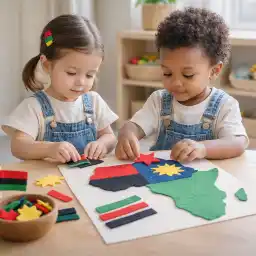
How Can Juneteenth Symbols Build Visual Memory in Young Children?
09/23/2026Children remember what they have a chance to notice, name, and revisit—and meaningful images can make a Juneteenth lesson more memorable. Try the Juneteenth Picture Match to support picture matching and vocabulary with words such as freedom, family, kindness, love, hope, and celebrate. For a d... How Can Juneteenth Symbols Build Visual Memory in Young Children?
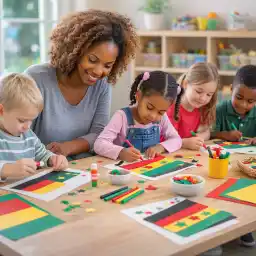
How Can Child Care Programs Celebrate Juneteenth Through Respectful, Child-Centered Art?
09/23/2026Meaningful Juneteenth art experiences can help children explore freedom, belonging, and community without reducing the holiday to a decoration or a party theme. Pair a thoughtful classroom plan with Strength in Differences: Cultural Diversity to deepen staff knowledge about cultural competency and i... How Can Child Care Programs Celebrate Juneteenth Through Respectful, Child-Centered Art?

How Can Drawing and Dictation Help Children Respond to Juneteenth?
09/23/2026When children draw what freedom, fairness, or community means to them, their ideas can open the door to thoughtful Juneteenth learning. The Juneteenth Writing & Drawing resource offers a simple way for children to complete sentence prompts and illustrate their thinking, while Cultures in the Cla... How Can Drawing and Dictation Help Children Respond to Juneteenth?

What Should Teachers Do When Children Compete for Adult Praise and Attention?
10/12/2026When children interrupt, perform, or compete to be the one the teacher notices, the room can quickly feel like a contest—and every child deserves to feel seen without having to win. A relationship-centered approach helps teachers understand what children are communicating, share attention more... What Should Teachers Do When Children Compete for Adult Praise and Attention?

How Can Early Childhood Educators Build Personal and Professional Resilience?
07/26/2026Feeling stretched thin as a caregiver? Building practical resilience can reduce #burnout, improve classroom interactions, and help you stay effective for the children who depend on you. If burnout is making it difficult to regain balance, explore practical ways for early educators to find balance ag... How Can Early Childhood Educators Build Personal and Professional Resilience?

How Can Child Care Providers Support Children’s Mental Wellness?
09/14/2026Children’s mental wellness grows through everyday experiences of safety, connection, play, and responsive care. Strengthen your classroom practices with Early Emotional Wellness, a practical course that helps providers recognize mental health indicators and create a positive emotional climate;... How Can Child Care Providers Support Children’s Mental Wellness?

How Can Child Care Programs Best Support Young Children's Emotional Wellbeing?
07/16/2026Supporting young children’s emotional well-being is central to high-quality early care and education. When directors and providers build warm relationships, maintain predictable routines, respond sensitively to behavior, and partner closely with families, they create environments where childre... How Can Child Care Programs Best Support Young Children's Emotional Wellbeing?

How Can Child Care Providers Put Trauma-Informed Practices Into Action?
09/07/2026When a young child’s behavior reflects fear, stress, or overwhelming experiences, a caring adult can help restore safety and connection. The Trauma-Sensitive Care: Supporting Young Children with Empathy course offers practical professional development for recognizing trauma’s effects, re... How Can Child Care Providers Put Trauma-Informed Practices Into Action?
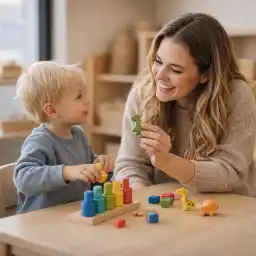
How Can Child Care Providers Encourage More Meaningful Conversations During Play?
10/12/2026When play is full of children’s ideas, a thoughtful comment or well-timed question can turn a passing moment into a rich exchange—without taking over. The Language Development in Early Childhood course offers practical ways to support verbal and nonverbal communication, helping you stren... How Can Child Care Providers Encourage More Meaningful Conversations During Play?

Feeling Burned Out? How Early Educators Can Find Balance Again
10/08/2025Teaching young children can be deeply meaningful, but the work also involves sustained emotional labor, competing demands, and frequent transitions. These conditions can place substantial demands on educators’ attention and wellbeing. Self-care is not a substitute for adequate staffing or supp... Feeling Burned Out? How Early Educators Can Find Balance Again
