Latest Blog & News

California Home Daycare Licensing Standards
06/18/2026Opening or running a home daycare in #California means following clear rules that keep children safe and your program legal. This short guide explains the big ideas you need as a provider or director: what the rules say, how to apply, what trainings and checks you must have, and simple daily systems... California Home Daycare Licensing Standards

How can dress-up and pretend play support young children’s identity and self-expression?
07/15/2026Dress-up and dramatic play are far more than entertaining parts of the day—they provide powerful opportunities for children to explore their identities, express their ideas and emotions, experiment with social roles, and strengthen language and relationship skills. For child care providers and... How can dress-up and pretend play support young children’s identity and self-expression?

What sensory play ideas best support babies in child care?
07/16/2026Every baby arrives ready to explore the world through touch, sound, sight, movement, and other sensory experiences. This practical guide helps child care providers and directors design brief, intentional, and closely supervised sensory activities that support infants’ brain development, self-r... What sensory play ideas best support babies in child care?

Can traditional child care programs add forest preschool activities without starting a new program?
07/21/2026Want to bring the benefits of a #forest preschool into your existing program without rebuilding your whole model? Integrating regular, intentional nature-based #outdoor experiences can increase children’s movement, curiosity, and resilience while strengthening classroom practice; a practical f... Can traditional child care programs add forest preschool activities without starting a new program?

How do I select developmentally appropriate digital resources for young children?
07/21/2026Choosing digital tools that genuinely support learning without displacing hands‑on play can feel like navigating a maze. This article gives child care directors and providers a practical decision framework to pick apps, videos, and devices that are truly #developmentally appropriate for your class... How do I select developmentally appropriate digital resources for young children?

What Do Children's Questions Reveal About Their Development?
07/22/2026Why do every "why" and "how" matter in your classroom? Children’s questions are a direct window into their growing minds — revealing thinking strategies, emerging vocabulary, social priorities, and the kinds of problems they are ready to explore. If you want practical ways to tur... What Do Children's Questions Reveal About Their Development?

Terrible Two's Can Be Terribly Fun!
07/04/2008The “terrible twos” can be a wonderfully active period of discovery, growing independence, and rapid development. Two-year-olds are expanding their language, testing physical abilities, expressing strong emotions, and learning how the world works through repetition and hands-on play. Thi... Terrible Two's Can Be Terribly Fun!

Toddler Lesson Plans for Play, Learning, and Development
06/11/2026Good lesson plans help your team feel calm and keep children learning. This short guide shows clear steps to write simple, play-based #lessonplans for your #toddlers. You will get a quick template, easy activity ideas, and tips to adapt for mixed needs. Why it matters: thoughtful plans make the da... Toddler Lesson Plans for Play, Learning, and Development
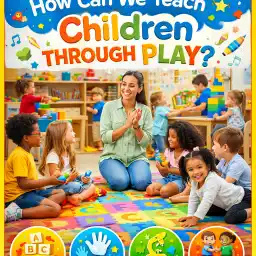
How can we teach children through play?
05/13/2026Play is not a break from learning — it is the best way young children learn. When children make, move, pretend, and solve problems, their brains grow. This article is for child care directors and providers who want easy, practical ways to teach through play. You will find steps to plan, set ... How can we teach children through play?

How Can New York Childcare Educators Support Children After Trauma?
05/13/2026Trauma can happen to any child. As a New York childcare leader or teacher, you can help children feel safer, calm down, and keep learning. This article gives clear steps you can use right away. It explains what to do first, how to shape the room and day, how to work with families and staff, and when... How Can New York Childcare Educators Support Children After Trauma?
