Latest Blog & News in English

What Should Teachers Do When a Child Repeatedly Interrupts Group Activities?
10/08/2026A child who repeatedly calls out or steps into group time can leave teachers feeling stretched—especially when the rest of the class is waiting. Understanding what the interruption communicates can help you protect the group’s learning while teaching the child a more successful way to pa... What Should Teachers Do When a Child Repeatedly Interrupts Group Activities?

How Can Child Care Providers Strengthen Family Communication Without Overwhelming Parents?
10/08/2026Families deserve to feel connected to their child’s care, but a steady stream of messages can quickly become one more demand on an already full day. The answer is purposeful, predictable, two-way communication that respects everyone’s time; the ChildCareEd course Bridging Cultures: Famil... How Can Child Care Providers Strengthen Family Communication Without Overwhelming Parents?

How Can Teachers Turn Everyday Classroom Problems Into Learning Opportunities?
10/08/2026A collapsed block tower, a spilled cup, or a disagreement over the same toy can feel like one more interruption in a busy day—but each can become a meaningful lesson in thinking, communication, and persistence. Explore From Play to Planning: Building Culturally Competent, Child-Centered Curric... How Can Teachers Turn Everyday Classroom Problems Into Learning Opportunities?
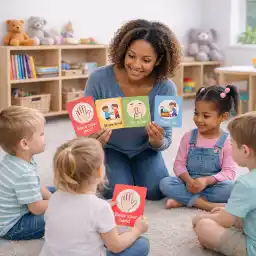
What Are Simple Ways to Make Classroom Rules Easier for Young Children to Remember?
10/08/2026When classroom expectations are easy to understand and recall, children can participate with more confidence—and educators spend less time repeating directions. A few practical changes can make rules more memorable through visuals, play, and predictable routines; for deeper professional learni... What Are Simple Ways to Make Classroom Rules Easier for Young Children to Remember?

How Can Teachers Help Preschoolers Recognize When They Need a Break?
10/08/2026When a preschooler can notice “my body needs a pause” and ask for help, a difficult moment can become a chance to build confidence and connection. Teachers can teach this skill through everyday observation, simple language, predictable choices, and calm practice; From Tantrums to Triumph... How Can Teachers Help Preschoolers Recognize When They Need a Break?

How Can Teachers Use Children’s Questions to Create Meaningful Learning Experiences?
10/08/2026A child’s “Why is the puddle disappearing?” can become a science investigation, a conversation about weather, and a chance to practice careful observation. The Children at the Wheel: Emergent Curriculum course offers a practical cycle for turning children’s questions into int... How Can Teachers Use Children’s Questions to Create Meaningful Learning Experiences?

What Are Developmentally Appropriate Ways to Teach Classroom Responsibilities?
10/08/2026Classroom responsibilities can do far more than keep materials tidy: taught thoughtfully, they help children experience themselves as capable members of a community. Explore how to make everyday jobs meaningful, inclusive, and matched to children’s development—and consider Supporting Chi... What Are Developmentally Appropriate Ways to Teach Classroom Responsibilities?

How Can Child Care Providers Support Children Who Have Difficulty Waiting Their Turn?
10/08/2026When a child reaches for the same truck as a peer or struggles to wait in line, the moment can feel tense—but it can also become a small, meaningful lesson in communication and self-control. A calm, predictable approach helps children practice waiting without shame or forced sharing. For deepe... How Can Child Care Providers Support Children Who Have Difficulty Waiting Their Turn?

How Can Preschool Teachers Encourage Children to Clean Up Without Turning It Into a Battle?
10/08/2026When cleanup becomes a daily standoff, the problem may be less about children refusing and more about the task feeling abrupt, confusing, or too large. A predictable routine and a few practical teaching strategies can make cleanup a chance to build cooperation and independence; Moving About the Clas... How Can Preschool Teachers Encourage Children to Clean Up Without Turning It Into a Battle?

How Can Teachers Help Children Understand Personal Space and Boundaries?
10/08/2026When a child steps back, says “stop,” or reaches for a friend in excitement, teachers have an opportunity to make respect concrete and teachable. The CDA Subject Area 3 course offers 10 hours of learning on social-emotional development, positive interactions, and guidance—useful fo... How Can Teachers Help Children Understand Personal Space and Boundaries?
