Latest Blog & News in English
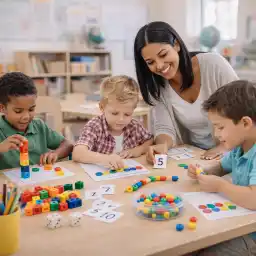
How Can You Make a Math Activity Work for Children at Different Skill Levels?
10/05/2026A math activity can lose children when some finish immediately and others are still figuring out where to begin—but one shared activity can offer different levels of challenge. Try the Ten-Frames: Show the Number (1–10) Practice Worksheet, offering smaller quantities and counting support... How Can You Make a Math Activity Work for Children at Different Skill Levels?

What Should You Ask When a Family Reports a New Food Allergy?
10/05/2026A newly reported food allergy can raise urgent questions for a child care team—but a calm, thorough conversation helps turn uncertainty into a workable safety plan. Use the Allergy & Emergency Information Form to organize information shared by the family alongside the child’s health ... What Should You Ask When a Family Reports a New Food Allergy?

Why Doesn’t Knowing a Safety Rule Mean a Preschooler Can Follow It?
10/05/2026Preschoolers may be able to explain “walking feet” and still dash across the room when excitement takes over. Understanding this gap helps providers teach safety as a developing skill and respond with realistic expectations. Use the Safe or Unsafe? Classroom Choices Activity to begin a c... Why Doesn’t Knowing a Safety Rule Mean a Preschooler Can Follow It?

How Can You Adapt a Cutting Activity Without Removing a Child’s Participation?
10/05/2026When scissors feel like a barrier, thoughtful adaptations can help a child stay involved and work toward the activity’s goal. Try using the Scissor Skills Cutting Strips for brief, supported practice, adjusting the length of the task, paper positioning, or tools to suit the child. Keep meaning... How Can You Adapt a Cutting Activity Without Removing a Child’s Participation?

How Can Child Care Providers Help a Worried Child Know What Will Happen on the First Day?
10/05/2026A child who knows what to expect can approach a new classroom with more confidence—even when goodbyes still feel hard. For children entering kindergarten, try the First Day Feelings Check-In Worksheet for Kindergarten as a conversation starter, then talk through w... How Can Child Care Providers Help a Worried Child Know What Will Happen on the First Day?

How Can Child Care Programs Plan Appreciation Activities When Families Use Different Names for Caregivers?
10/05/2026Appreciation activities can help children notice the care, patience, and support they receive—but a card labeled only “Mom” or “Dad” may not fit every child’s life. When planning an activity such as Tie-rific Father’s Day, invite children to choose whom they... How Can Child Care Programs Plan Appreciation Activities When Families Use Different Names for Caregivers?

How Can You Help a Beginning Reader Say More Than the Sentence on the Page?
10/05/2026A beginning reader may read the words accurately and still need support explaining their ideas or connecting the text to their own experiences. Try sharing Emergent Readers – I Like, then invite children to explain a preference with a prompt such as “Tell me what you like about it.&rdquo... How Can You Help a Beginning Reader Say More Than the Sentence on the Page?
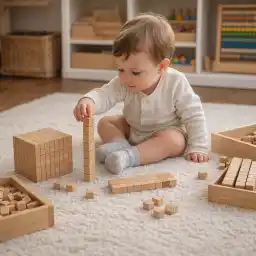
What Does a Toddler Block Area Need for Real Experimentation?
10/05/2026A toddler block area can be much more than a place to stack and topple—it can be an inviting setting where children test ideas about balance, space, and cause and effect. Start with the Classroom Supply Inventory Resource Guide to review the materials you have, then consider whether their vari... What Does a Toddler Block Area Need for Real Experimentation?

How Can the Walk Between Activities Become a Learning Moment?
10/05/2026Those few steps from the play area to the sink or from the classroom to the playground can build language, curiosity, movement, and connection. During arrival, use the Morning Arrival Routine Cards to help children identify their next destination and talk about what comes next as you move together. ... How Can the Walk Between Activities Become a Learning Moment?

When a Preschool Rule Expects More Self-Control Than Children Can Manage, What Should Educators Do?
10/05/2026A rule can seem reasonable to adults and still ask more of a preschooler’s developing attention, memory, language, or impulse control than they can manage in the moment. Treating the expectation as a skill to teach helps educators adjust routines and provide the support children need. Use the ... When a Preschool Rule Expects More Self-Control Than Children Can Manage, What Should Educators Do?
