Latest Blog & News in English

How Should Child Care Directors Decide Which Classroom Supplies to Buy First?
11/03/2026A long classroom wish list can make every purchase feel urgent, but a deliberate order protects both children’s daily experiences and your program’s financial stability. Start by reviewing what you already have with the Classroom Supply Inventory Resource Guide, a practical printable res... How Should Child Care Directors Decide Which Classroom Supplies to Buy First?
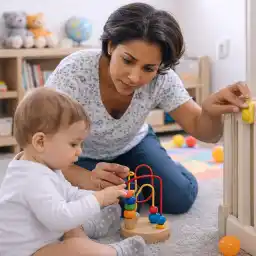
What Hidden Safety Hazards Should Caregivers Look for in Infant Rooms and Outdoor Play Areas?
11/03/2026Some of the most serious risks in infant care are easy to miss: a cord within reach, a blocked sightline, or protective surfacing shifted away from a landing area. Build a practical routine for spotting these changes with the free Baby Safety Checklist, a helpful resource for identifying common haza... What Hidden Safety Hazards Should Caregivers Look for in Infant Rooms and Outdoor Play Areas?

What Should Preschool Teachers Do Before Correcting an Upset Child’s Behavior?
11/03/2026When a preschooler is overwhelmed, demanding compliance can intensify distress instead of teaching a more helpful response. A quick routine—notice, connect, coach—helps teachers read stress signals, restore a sense of safety, and guide coping skills. Put this approach into practice with ... What Should Preschool Teachers Do Before Correcting an Upset Child’s Behavior?

Are Preschool Teachers Really Listening When Children Try to Explain a Problem?
11/03/2026A child’s “She took it!” may be the beginning of a story, not the whole story—and a rushed solution can leave everyone feeling misunderstood. Build practical skills for pausing, paraphrasing, and clarifying with Open Ears: Listening in Child Care, a focused course that can st... Are Preschool Teachers Really Listening When Children Try to Explain a Problem?

How Much Routine Do Infants and Toddlers Need in Child Care?
11/03/2026Infants and toddlers need enough routine to feel secure, but not a timetable that asks every child to eat, sleep, and play by the same clock. A predictable sequence paired with attentive responses helps providers create calm, relationship-centered care; the Balancing Act: Schedules and Routines cour... How Much Routine Do Infants and Toddlers Need in Child Care?

How Can Small Classroom Adjustments Help Children With ADHD Participate?
11/03/2026A child who moves, fidgets, or loses the thread of a group activity may need a different route into participation—not another reminder to sit still. The Identifying ADHD in Child Care course can deepen your understanding of ADHD-related behaviors, inclusive practices, and family referrals; for... How Can Small Classroom Adjustments Help Children With ADHD Participate?

How Can Child Care Teachers Support a Grieving Child Without Pressuring Them to Talk?
11/03/2026A grieving child may need your comfort without wanting to explain what they feel—and respecting that choice is part of compassionate care. Explore Healing Young Hearts: Stress and Grief for focused learning on how young children experience loss and strategies you can use to support coping in y... How Can Child Care Teachers Support a Grieving Child Without Pressuring Them to Talk?

What Does Science Learning Look Like for Babies and Toddlers?
11/03/2026A baby rubbing two fabrics or a toddler sending a ball down a ramp is doing more than playing: each is noticing, testing, and learning how the world works. The focused Tomorrow’s Einsteins: Infant and Toddler Science course can help you connect cognitive development with practical ways to nurt... What Does Science Learning Look Like for Babies and Toddlers?
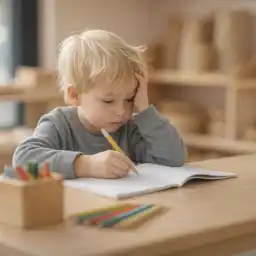
When Is a Child’s Difficulty Paying Attention Worth Documenting?
11/03/2026A child who drifts away during group time may be absorbed in a thought, responding to a noisy room, or finding a task hard to enter—one moment cannot tell you which. Learn how to record attention patterns, classroom context, and supports that help without labeling or diagnosing; Identifying AD... When Is a Child’s Difficulty Paying Attention Worth Documenting?

What Records Should Child Care Teachers Keep After Important Classroom Incidents?
11/03/2026After an important classroom incident, a clear record can help your team communicate calmly, respond consistently, and make informed decisions about a child’s support. The [CDA: Essential Tools for Record Keeping] course offers practical learning in recording observations and sharing informati... What Records Should Child Care Teachers Keep After Important Classroom Incidents?
