Latest Blog & News
Holiday Safety Tips - Toys Check
12/12/2012As programs and families plan seasonal celebrations, a systematic toy-safety check reduces the risk of acute injuries. It also supports consistent supervision practices across classrooms and homes. Before you accept, distribute, or store seasonal gifts, inspect items for choking, entrapment, battery... Holiday Safety Tips - Toys Check
☀️Sunny Side Up: Smart & Safe Summer Fun for Kids!
05/29/2025Summer provides abundant opportunities for outdoor exploration and developmentally appropriate risk-taking, but it also amplifies environmental hazards that demand programmatic planning and staff competence. At Pediatric First Aid & CPR (blended) and Preventative Health & Safety courses from... ☀️Sunny Side Up: Smart & Safe Summer Fun for Kids!

Playground Safety Checklist Template for Child Care Programs
07/20/2026A safe playground begins with consistent inspections, active supervision, and clear staff routines. ChildCareEd’s Family Child Care: Building, Premises, and Outdoor Safety self-paced course helps providers recognize outdoor hazards and strengthen everyday safety practices. Programs can also us... Playground Safety Checklist Template for Child Care Programs
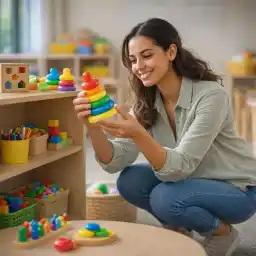
How do I choose age-appropriate toys and materials for my Minnesota program?
07/09/2026Choosing the right toys and materials helps children learn, play, and stay safe. This short guide is for child care providers and directors in #Minnesota who want practical steps for picking items that match age, development, culture, and safety rules. You will find clear tips, numbered checklists, ... How do I choose age-appropriate toys and materials for my Minnesota program?
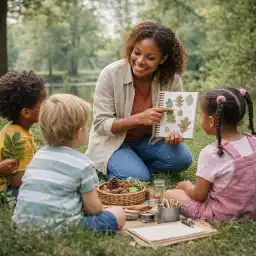
How can I build a nature-based curriculum for my New York program?
07/08/2026Nature-based learning helps children move, think, and feel calm. This short guide is for child care providers and directors in New York who want step-by-step ideas to build a practical outdoor curriculum. It explains why this work matters, how to begin, how to keep children safe, and where to find f... How can I build a nature-based curriculum for my New York program?
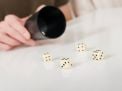
Teaching Math to Young Children
03/30/2023Math concepts and skills can be taught to children and practiced through games. In this article we show how simple, play-based activities—like the Creature Spots game—support early numeracy, including counting, one-to-one correspondence, and cardinality. For guided professional developme... Teaching Math to Young Children
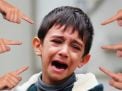
Bullying in Early Childhood
01/12/2021Bullying is commonly discussed for older children, but it also appears in preschool settings. Early childhood educators who notice and act on early patterns of exclusion or aggression can reduce long-term harm for both children who are targeted and children who use aggression. This article explains ... Bullying in Early Childhood
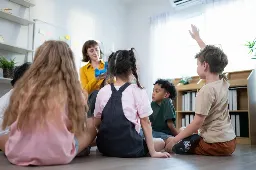
One, Two, Eyes on You: A Fun Way to Build Listening Skills
07/01/2026Young children learn listening with short, playful steps. This article gives a simple, classroom-ready game called "One, Two, Eyes on You" and shows how to use it to teach #listening, body control, and group play. Why does listening matter for preschoolers? Listening shapes learning. When ... One, Two, Eyes on You: A Fun Way to Build Listening Skills
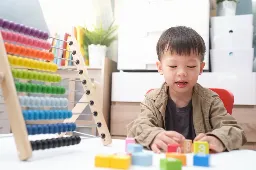
The Senses and Montessori
11/30/2021Providers who want practical, classroom-ready guidance can start with our The Montessori Classroom: Theory to Practice and Montessori Foundations courses, both designed for busy early childhood professionals seeking hands-on sensorial strategies. For mixed-age programs, sensorial work can act as an... The Senses and Montessori
Traumatic Brain Injuries in Infants and Young Children
06/22/2021Protecting infants from brain injury requires awareness, prevention, and training. ChildCareEd courses such as Brain Injury Awareness in Young Children and Active Supervision help staff recognize risk factors, practice prevention strategies, and build practical response skills. What is Traumatic ... Traumatic Brain Injuries in Infants and Young Children
