Latest Blog & News
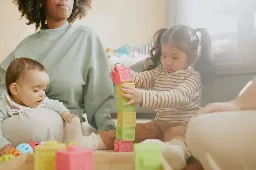
¿Qué Pasa si Cuidas Más Niños de los Permitidos Sin Licencia?
09/08/2026Cuidar a un niño adicional puede parecer un cambio pequeño, pero puede afectar los límites legales de un programa de cuidado infantil en el hogar. Esta guía explica cómo la inscripción, la asistencia y el tipo de cuidado pueden influir en los requisitos de l... ¿Qué Pasa si Cuidas Más Niños de los Permitidos Sin Licencia?

CDA en Español: ¿Preescolar, Bebés/Niños Pequeños o Cuidado Infantil Familiar—Cuál Debes Elegir?
09/08/2026Elegir el entorno CDA correcto puede orientar tu capacitación, portafolio, preparación para el examen y trayectoria profesional. Si trabajas con niños de 3 a 5 años en un centro, explora la Credencial CDA para Preescolar con Revisión de Portafolio; si trabajas con ... CDA en Español: ¿Preescolar, Bebés/Niños Pequeños o Cuidado Infantil Familiar—Cuál Debes Elegir?

¿Qué Debe Contener el Expediente de Cada Empleado de un Daycare?
09/08/2026Los expedientes incompletos pueden generar estrés durante las visitas de licenciamiento y dificultar el seguimiento de las calificaciones y renovaciones del personal. Para fortalecer la organización administrativa, explore Acto de equilibrio: mantenimiento de registros y supervisi&oacu... ¿Qué Debe Contener el Expediente de Cada Empleado de un Daycare?

How Can Child Care Providers Turn Everyday Routines into Learning Opportunities?
09/07/2026What if snack, handwashing, arrival, and cleanup could become meaningful teaching moments without adding another lesson to an already full day? Intentional routines help children build language, independence, social competence, and early reasoning through experiences they already understand. To stre... How Can Child Care Providers Turn Everyday Routines into Learning Opportunities?

How Can Child Care Providers Use Observation and Assessment to Support Every Child?
09/07/2026What children reveal during play, routines, and relationships can transform teaching—but only when educators observe with purpose and use evidence thoughtfully. For a deeper learning experience, explore Assessing through Observation to strengthen observation methods, assessment practices, and ... How Can Child Care Providers Use Observation and Assessment to Support Every Child?

How Can Child Care Providers Support School-Age Development?
09/07/2026School-age children are building independence, reasoning, relationships, and identity—often while moving between school, home, and after-school care. Strengthen your practice with Watch Me Grow: School Age Development ONLINE, which explores milestones for ages 6–13 and helps providers co... How Can Child Care Providers Support School-Age Development?

How Can Child Care Providers Strengthen Language and Literacy Development?
09/07/2026Every conversation, song, story, and playful mark a child makes can become a foundation for communication and reading. Child care providers who intentionally build language-rich routines help children develop vocabulary, comprehension, confidence, and early writing skills. For a deeper, practical le... How Can Child Care Providers Strengthen Language and Literacy Development?

How Can Child Care Providers Use Emergent Curriculum to Make Children’s Thinking Visible?
09/07/2026What if a puddle, a block tower, or a child’s repeated question could become the beginning of meaningful curriculum? Emergent curriculum helps providers transform children’s interests into intentional, developmentally appropriate learning while preserving agency and play. For a practical... How Can Child Care Providers Use Emergent Curriculum to Make Children’s Thinking Visible?

How Can Child Care Providers Build Strong Early Math Skills Every Day?
09/07/2026Young children are already comparing, sorting, counting, building, and noticing patterns long before they encounter formal mathematics. When providers intentionally extend those discoveries through play and routines, they strengthen children’s reasoning while making the classroom more engaging... How Can Child Care Providers Build Strong Early Math Skills Every Day?

How Can Child Care Providers Use Project-Based Learning to Deepen Young Children’s Learning?
09/07/2026Young children’s questions can become the starting point for sustained investigation, collaboration, and meaningful products—not just one-day activities. Explore Project-Based Learning for Children to build practical knowledge of inquiry, emergent curriculum, and hands-on learning while ... How Can Child Care Providers Use Project-Based Learning to Deepen Young Children’s Learning?
