Latest Blog & News in English

Should I Add an Afterschool Component to My Michigan Child Care Program?
06/30/2026Maria Montessori believed that mealtime is an opportunity for children to learn valuable life skills. From infancy, when children learn to sit independently, Montessori children are provided with child-sized tables and chairs and are encouraged to feed themselves. They gain hands-on experience by us... Should I Add an Afterschool Component to My Michigan Child Care Program?

How Can Teachers Support an Autistic Child in a Preschool Classroom?
10/05/2026Small, thoughtful changes can help an autistic child feel safer, communicate more clearly, and take part in preschool life without asking them to hide who they are. Explore Effective Approaches for Autism and Inclusion for practical training on adapting classroom environments, supporting communicati... How Can Teachers Support an Autistic Child in a Preschool Classroom?

What Makes a High-Quality Child Care Classroom? 10 Things Providers Should Look For
10/05/2026A high-quality classroom is more than a tidy room or a shelf of attractive materials: it is a place where children are safe, known, included, and actively learning. Strengthen your environment with practical reflection—and explore Classroom Designers ONLINE for focused strategies on age-approp... What Makes a High-Quality Child Care Classroom? 10 Things Providers Should Look For

How Should Child Care Providers Handle Difficult Conversations With Parents?
10/05/2026Difficult conversations with families can feel daunting, but a thoughtful approach can turn concern into a practical partnership that supports a child. Build your confidence with Family (or Parent) Conferencing: Developing Trust, a focused course on planning productive conferences, listening, and na... How Should Child Care Providers Handle Difficult Conversations With Parents?

How Can Child Care Teachers Prevent Burnout Without Leaving the Profession?
10/05/2026When exhaustion starts to overshadow the joy of helping young children learn, leaving the field can feel like the only option—but it is not the only possible next step. Teachers and directors can pair practical stress-management skills with changes to workplace conditions, and [From Stress to ... How Can Child Care Teachers Prevent Burnout Without Leaving the Profession?

How Can Child Care Directors Reduce Teacher Turnover and Keep Good Staff?
10/05/2026Keeping skilled educators is about more than filling shifts—it protects the steady, caring relationships children rely on and helps your program thrive. Build practical mentoring and retention skills with Leadership Through Mentorship, a focused course for administrators seeking to support sta... How Can Child Care Directors Reduce Teacher Turnover and Keep Good Staff?

How Can Child Care Programs Keep Paperwork from Displacing Classroom Supervision?
10/05/2026When records pile up, it can be tempting to finish them while children are in the room—but supervision cannot be put on pause. Build a practical system that keeps documentation current while protecting staff attention and children’s safety, and deepen your approach with Balancing Act: Re... How Can Child Care Programs Keep Paperwork from Displacing Classroom Supervision?

How Can Child Care Teams Assign Supervision Roles Before a Field Trip Gets Busy?
10/05/2026A field trip can shift from calm to crowded in seconds, and unclear staff assignments make it harder to keep every child in view. A brief role plan helps your team respond confidently through transitions, crowds, and unexpected changes; the Mastering Supervision: Keeping Children Safe in All Setting... How Can Child Care Teams Assign Supervision Roles Before a Field Trip Gets Busy?
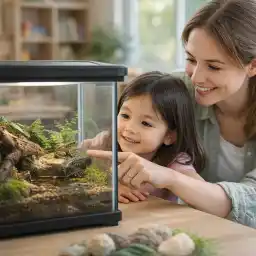
How Can We Explore Animal Habitats Beyond Farm-and-Wild Labels?
10/05/2026Children’s animal conversations often start with “farm” and “wild,” but their questions quickly lead to a richer world of habitats, animal needs, and overlapping categories. The Montessori Cultural Activities: Exploring the World Through Play and Learning course can hel... How Can We Explore Animal Habitats Beyond Farm-and-Wild Labels?

How Can You Choose Recycled Classroom Materials With a Real Purpose for Play?
10/05/2026Recycled materials become valuable classroom resources when they invite children to do more than handle or decorate them—they need a meaningful purpose in play. The Beautiful Junk: Using Recycled Materials in the Classroom course offers practical ideas for turning everyday objects into engagin... How Can You Choose Recycled Classroom Materials With a Real Purpose for Play?
