Every day you watch and care for many little ones. Learning #CPR and #FirstAid helps you keep #children safe. When you are ready, you can act fast and help until help arrives. This article explains what to learn, how to train, how to plan, and how to avoid common mistakes. For training and resources, see CPR and First Aid Training for Child Care Providers and Life-Saving Skills. For a focused discussion of why CPR is critical for child care staff and practical steps to build confidence, see Life-Saving Skills at Your Fingertips: The Importance of CPR Training. For a short, motivating introduction you can share with staff or families, see Superheroes Wear Capes...And Take First Aid & CPR Classes.
What are the basic skills child care staff need to learn?
All staff should learn clear, simple steps they can use in an emergency. Key skills include:
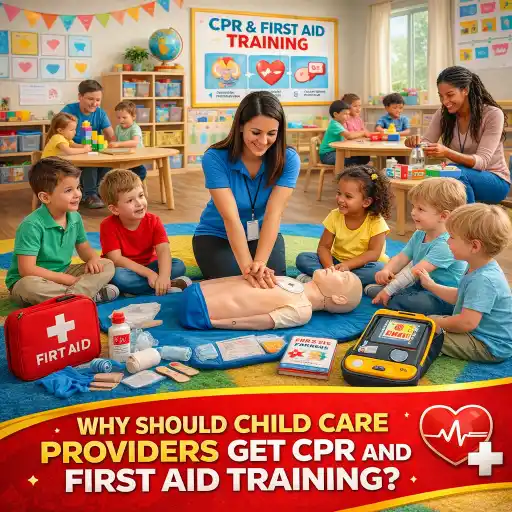
- CPR for infants, children, and adults (compressions and breaths). See hands-on courses at ChildCareEd in-person classes Buy Now $95.00 and blended options at ChildCareEd blended courses Buy Now
$85.00$80.00. - How to use an AED (automated external defibrillator).
- Choking relief for babies and toddlers (back blows, chest thrusts, Heimlich for older kids).
- Basic wound care, bleeding control, and how to stop serious bleeding.
- Allergic reaction response and epinephrine auto-injector (EpiPen) use.
- Seizure response, diabetic emergencies, and when to call 911.
- How to check breathing and consciousness, and when to start CPR.
- Infection control and safe first aid kit use.
Why this matters: learning these skills raises confidence and makes the program #safety-first. For lists and deeper help, ChildCareEd offers many resources such as a sample emergency supply list Buy Now $0.00 and training descriptions. To understand how training improves staff response, confidence, and child outcomes, read 10 Life-Changing Benefits of First Aid and CPR Training with AidCPR.
How do we get trained and keep our certifications current?
Getting trained is easier than you might think. Use a mix of options that fit your schedule and licensing rules. Follow these steps:
- Decide which certified course you need. Options include:
- In-person instructor-led courses (hands-on practice). Example: ChildCareEd in-person Buy Now $95.00 or American Red Cross classes (Red Cross Adult & Pediatric).
- Blended courses: online learning + short skills check in person (good for busy staff). See ChildCareEd blended Buy Now
$85.00$80.00. - 🧑🏫 Register and complete the course. Practice on manikins and ask the instructor for feedback.
- 📅 Track your certification dates and schedule re-certification before it expires. Most cards last 2 years. You can renew First Aid, CPR, and AED certification with ChildCareEd and set up renewal reminders so certifications don't lapse.
- 🔁 Do regular practice drills at your site so skills stay sharp. Include new staff in sessions right away.
- ✔️ Check state rules. State requirements vary - check your state licensing agency. Some states require specific course length or an approved provider list like MSDE’s approved training list; ChildCareEd explains approved options in their MSDE article.
Simple record keeping helps. Keep copies of cards, training rosters, and skills checklists where directors and staff can find them.
How do we create an emergency plan and practice it well?
A written plan helps everyone know what to do. Use these steps to build and practice your plan:
- Write a clear Emergency Action Plan with roles and steps. Use a sample plan to start: ChildCareEd sample plan Buy Now $0.00.
- Include these sections in your plan:
- 1) Who does what (staff roles).
- 2) How and when to call 911 and who notifies parents.
- 3) Where to move children for evacuation or shelter-in-place.
- 4) Location of first aid kits, AED, and emergency supplies. See the emergency supply list Buy Now $0.00.
- 5) Plans for children with special health needs and Individualized Emergency Action Plans (IEAPs).
- 🧭 Practice drills often: fire, lockdown, severe weather, medical emergency. Practice at least quarterly or as your licensing requires.
- 📋 After each drill, document what went well and what to improve. Update the plan.
- 📣 Share the plan with families. Let parents know how you will communicate during an emergency and where to meet for reunification.
Good communication and clear roles reduce panic and make sure help arrives quickly. For more on planning and drills see ChildCareEd’s Emergency Preparedness article and CDC guidance on outdoor and water safety (CDC outdoor safety).
What common mistakes do programs make and how can we avoid them?
Many programs want to do well but fall into avoidable traps. Here are the top mistakes and how to fix them:
- ❌ Relying on only one certified person. Fix: Ensure multiple staff hold current #CPR and #FirstAid cards and schedule overlapping coverage.
- ❌ Letting first aid supplies or medications expire. Fix: Create a monthly check and replace expired items. Use the Red Cross first aid kit guide (Red Cross kit list).
- ❌ Skipping hands-on practice. Fix: Use mannequin drills and role-play at staff meetings. Hands-on practice beats video-only learning for muscle memory.
- ❌ Not updating plans for new children with special needs. Fix: Collect health forms and physician orders at enrollment and make IEAPs before the child arrives.
- ❌ Poor communication with families during incidents. Fix: Keep updated contact lists and a clear parent notification plan in your Emergency Action Plan.
- ❌ Waiting to call 911. Fix: Train staff on clear 911 decision rules (e.g., not breathing, severe bleeding, loss of consciousness, suspected poisoning or anaphylaxis = call 911 now).
How to avoid pitfalls: plan, train, practice, and check supplies often. For deeper guidance on emergency medical response and decision rules see the National Childcare Authority’s overview: Emergency Medical Procedures in Childcare.
Conclusion
1) Learn the right skills (#CPR, #FirstAid, AED use). 2) Choose training that fits your team — in-person or blended. 3) Write and practice an Emergency Action Plan. 4) Avoid common mistakes by training many staff and checking supplies. These steps help keep #children safe and build parent trust. Remember: state requirements vary - check your state licensing agency.
Quick FAQ:
- Q: How long is certification good? A: Often 2 years. Check your course.
- Q: Can online-only meet licensing? A: Some states or employers require a blended or instructor-led skills check. See the Red Cross blended options (Red Cross pediatric online).
- Q: Who should be trained? A: All staff who care for children and at least one on every shift.
- Q: Where to start? A: Visit ChildCareEd courses Buy Now $95.00 or local Red Cross/AHA providers. Consider enrolling now; ChildCareEd's Make This Summer One to Remember by Getting First Aid & CPR Certified article explains how to time blended and in-person courses to fit summer staffing and family schedules.
Thank you for keeping kids safe. Your training can save a life.
- Basic Health & Safety and Breastfeeding Awareness
- Basic Life Support (BLS) Blended Healthcare Providers
- Pediatric Blended First Aid & CPR/AED Adult, Child, Infant
- Pediatric RSV First Aid & CPR/AED
- Pediatric In-Person First Aid & CPR/AED Adult, Child, Infant
- Texas Director Credential Renewal
- Texas Director Credential
- CPR for childcare providers: what to know
- Focus on Health and Safety Training
- First Aid and CPR Certification: What to Expect from Your Training Course
- The Benefits of CPR Remote Skills Training
- 10 Reasons this Summer to Take Pediatric First Aid and CPR with ChildCareEd
- Getting Ready for the New School Year: Prioritizing Safety with First Aid and CPR Training
- CPR Labor Day Weekend Sale ~ Prepare for the New School Year with Pediatric First Aid and CPR
- Pediatric First Aid and CPR Training with ChildCareEd - Empower Yourself!!
- ¿Cómo pueden los equipos de cuidado infantil practicar habilidades rápidas de primeros auxilios en situaciones reales?
- Lista para Guardería en Casa en Texas: Cómo Iniciar una Guardería en el Hogar
- Child Development Classes in Maryland for Early Childhood Educators
- What training do I need to run a safe and legal home daycare?
- Daycare Training Hours in Maryland: How Many Do You Need?
- What Certifications Do I Need to Open a Child Care Center? Owner vs. Director Requirements Explained
- Which First Aid Course Do Child Care Providers Need for Licensing?
