Opening a #home #daycare is exciting and a big responsibility. Training helps you keep children safe, follow the rules, and feel confident each day. This short guide explains the training steps, where to find approved courses, and how to use learning to run a great program. state requirements vary - check your state licensing agency.
What training do I need to open a home daycare?
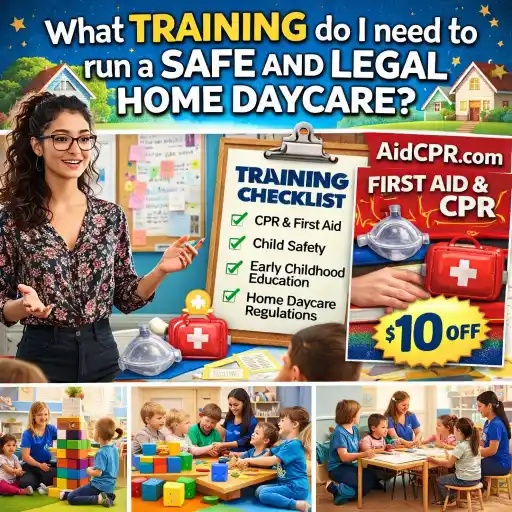
Every state is different, but most licensing offices expect this basic training before you open:
- 📘 Orientation or pre-service training. Many states require an in-person orientation or a set number of pre-service hours. For example, Maryland lists a 24-hour family child care pre-service requirement and specific course topics in Family Child Care Providers Training Requirements.
- 🩺 First Aid and CPR for infants and children. Some states want in-person or blended training—see options like the American Red Cross courses listed at Pediatric First Aid/CPR. ChildCareEd also runs seasonal promotions — see current Labor Day discounts on pediatric First Aid and CPR training to save on approved courses and recertifications.
- 🍼 Infant/toddler and health & safety topics. Training on SIDS, safe sleep, medication administration, and basic health are common. ChildCareEd lists many of these in their Health and Safety Training Resources Buy Now $0.00.
- 🚨 Emergency and disaster planning. You will likely need a class that covers evacuation and shelter plans, like the FEMA preparedness guidance Buy Now $0.00.
- 📚 Ongoing yearly training. After your first year, many states require annual clock hours (for example, Maryland requires 18 hours the first year, then 12 each year after) — see Family Child Care Providers Training Requirements.
Why it matters: Having the right certificates shows parents you are prepared, and it protects children and your license. For training that counts toward licensing, always confirm with your state office and use approved providers like ChildCareEd.
How can I find approved training that meets licensing rules?
Finding approved training is easier when you follow a plan. Here are steps that help you get courses that count for your license:
- 📍 Check your state licensing site first. Your state page lists required topics and approved training providers (for example, see state guides like Tennessee's How to Become a Licensed Child Care Provider).
- 🔎 Choose approved online or in-person options. Many states accept online pre-service and renewal hours. ChildCareEd offers a 24-hour family child care pre-service online (approved in some states) at 24 Hour Family Child Care Pre-Service Training ONLINE
 Buy Now $299.00.
 - 🧾 Confirm course approval. Before you pay, ask the provider if the course is approved by your state. Save receipts and certificates for your licensing file.
- 😊 Mix course types for required topics. Use online self-paced classes for some hours and instructor-led for skills like CPR if your state requires hands-on training. The American Red Cross offers both online and blended options at Red Cross First Aid/CPR.
- 📚 Use training bundles and credentials to grow. If you want a deeper credential, consider the CDA Family Child Care Credential training on ChildCareEd Buy Now
$500.00$400.00, which helps you meet larger coursework requirements.
Tip: Keep a training binder with certificates, course descriptions, and contact info. This helps during inspections and when families ask about your qualifications.
How does training help keep children healthy and safe?
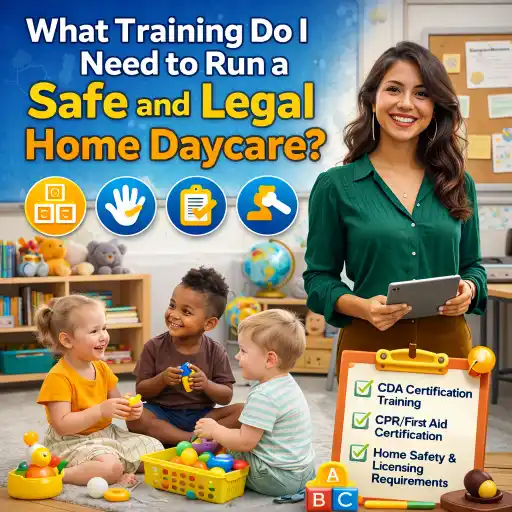
Training teaches practical steps you use every day. Below are key safety areas and what training covers:
- 🩹 First Aid & CPR — learn how to act fast for choking, breathing problems, or injuries. The Red Cross and many local agencies offer pediatric-first-aid courses that are easy to find online or in person (Red Cross). If you're preparing for transitions like the new school year, a focused First Aid and CPR training for the school year can help you review classroom-specific scenarios and communication with families.
- 🧼 Infection prevention — training shows handwashing, cleaning, and exclusion policies to stop spread of germs. The CDC has clear guidance at Preventing Infectious Diseases.
- 🔥 Emergency planning — practice evacuation routes, shelter plans, and communications with families. ChildCareEd and FEMA resources explain steps in trainings like FEMA Preparedness Buy Now $0.00.
- 💊 Medication & health care — learn safe medication storage and administration from courses such as ChildCareEd’s Health and Safety Training Resources Buy Now $0.00.
Common mistakes — how to avoid them:
- ❗ Waiting to train until after you open. Do core safety courses first.
- ❗ Using non-approved CPR certificates. Check your state if hands-on skills are required.
- ❗ Not keeping certificates organized. File them by child and by staff.
How can training make my program run better and help families trust me?
Training is not just rules — it improves the care you give and helps your business grow. Use these steps to put learning into practice:
- 📋 Turn training into policies. After each course, update your parent handbook with any new health, safety, or staffing practices. ChildCareEd provides templates and guides in their Resource Guide Buy Now $0.00.
- 🧑🤝🧑 Share certificates with families. A copy of your training list builds trust — parents like to know you keep learning.
- 🎓 Use curriculum and development training to improve learning. Courses like DAP for Family Child Care Buy Now $16.00 or infant/toddler lesson planning help you design better daily activities.
- 💼 Learn business skills. Training on administration, licensing, and finance helps you set fair rates, create contracts, and keep records (see Resource Guide Buy Now $0.00).
- 📈 Plan professional growth. Consider longer credentials like the CDA Family Child Care Credential to show higher skill levels and attract families (CDA Family Child Care Credential Buy Now
$500.00$400.00).
Why it matters: Families pick providers they trust. Training helps you give consistent routines, better lessons, and safer care — that builds a strong reputation and steady enrollments.
Summary and FAQ
Summary:
- Get core safety training first: CPR, First Aid, and health & safety.
- Complete required pre-service hours for your state (look at ChildCareEd guidance).
- Keep certificates, follow state rules, and share training with families.
- Use training to improve routines, curriculum, and business systems.
FAQ:
- Q: Do I need in-person CPR?
A: Some states require hands-on CPR. If your state asks for skills testing, choose a blended or in-person class like those from the Red Cross (Red Cross). If you prefer at-home theory with a supervised skills check, remote CPR skills training combines online instruction with a live skills session and can meet state requirements in some jurisdictions; learn more in The Benefits of CPR Remote Skills Training. - Q: Can online courses count?
A: Many states accept approved online hours. Always confirm with your licensing office and save course approval details. - Q: Where can I get a training plan?
A: Use ChildCareEd’s pre-service and renewal courses and the Resource Guide Buy Now $0.00 for plans and templates. - Q: How often do I need more training?
A: Most states require annual hours. For example, Maryland requires training each year; check your state for exact hours. - Q: Will training help me get more families?
A: Yes. Families look for trained, certified providers. Sharing your certificates and talking about your learning builds trust.
You are doing important work. Start with the safety basics, plan your training, and keep learning. For many approved courses and helpful templates, visit ChildCareEd and your state licensing website. Good luck building a safe, loving, and professional home daycare for children and families.
- 45 Hour Child Growth and Development
- CDA Home Visitor Subject Area 3 Part 3 Birth to 5
- Bienvenido! Welcoming All Families
- Texas Primary Caregiver Qualification
- Pediatric RSV First Aid & CPR/AED
- Texas Director Credential Renewal
- Texas Director Credential
- 24 Hour Family Child Care Pre-Service Training ONLINE
- Capacitación en Salud y Seguridad Preventiva en Línea para Proveedores de Cuidado Infantil
- Lista para Guardería en Casa en Illinois: Cómo Iniciar una Guardería en el Hogar
- Lista para Guardería en Casa en Texas: Cómo Iniciar una Guardería en el Hogar
- How to Open a Home Daycare in Virginia
- How to Open a Home Daycare in Nevada
- In-Home Daycare Requirements in Georgia
- In-Home Daycare Requirements in Texas
- In-Home Daycare Requirements in Wisconsin
- Daycare Center Requirements in Texas
- What are the basic steps for Michigan child care providers?
- What do I need to know to provide child care in New York?
- Home Daycare Business Guide for Child Care Providers
- Starting an In-Home Daycare in Texas: Requirements and Tips
- Starting an In-Home Daycare in Georgia: Requirements and Tips
- How do I start a home daycare business?
- How do I open a family child care home?
- Home Daycare Guide: How to Start Caring for Children in Your Home
- How Many Kids Can You Babysit in Your Home Without a License?
- How Many Kids Can You Watch Without a License in California?
- What Certifications Do I Need to Open a Child Care Center? Owner vs. Director Requirements Explained
