Play is the primary way young children explore the world: it is joyful, social, and intensely productive. For child care providers and directors, understanding the mechanisms behind play helps you shape daily routines, environments, and interactions so every moment of playful time becomes an opportunity for learning. In this article you will find practical, research-linked guidance on how play supports thinking, movement, and feelings — and clear steps to design play that accelerates growth in your #play-centered program. The five words to remember: #play #cognitive #physical #emotional #development. For accessible summaries and course resources, see Importance of Play for Child Development and Play with a Purpose.
Why this matters
1) Early play literally wires the brain: repeated, meaningful play experiences build synapses and executive function skills as described in neuroscience summaries like Neuroscience, Play and Early Childhood Education. 2) Play integrates domains: a single block activity can support counting (cognition), two-handed manipulation (motor), and turn-taking (social-emotional). 3) Practical stakes: children who experience rich, varied play enter school with stronger attention, motor control, and self-regulation — all predictors of later success (Movement & Cognitive Growth).
How does play drive cognitive development?
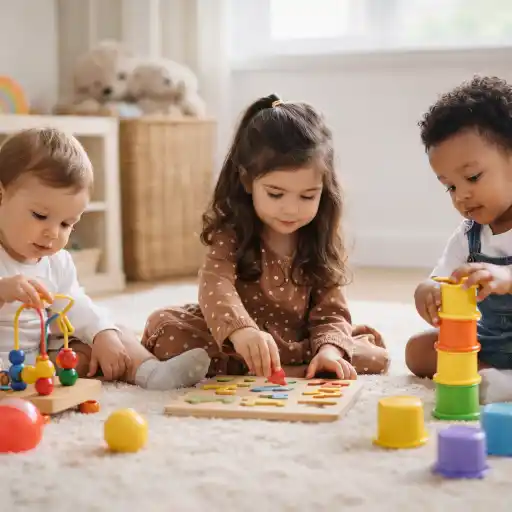
1. Play supports symbolic thinking and abstract reasoning. High-quality pretend play helps children transform objects, hold dual representations (real vs. pretend), and practice perspective taking — foundations for language, reading comprehension and math (Bergen, ECRP).
2. Play strengthens executive function (working memory, inhibitory control, cognitive flexibility):
- 😊 Guided games with rules (e.g., simple board games, stop-and-go movement) require children to hold rules in mind and inhibit impulses.
- 🎯 Problem-solving play (building, puzzles) invites hypothesis testing and iterative adjustment.
- 🧩 Open-ended materials (blocks, loose parts) let children plan, revise, and reflect.
3. The brain link: research synthesis shows that active, play-rich settings increase neural connectivity; play’s multisensory, social nature engages emotion and memory systems that make learning durable (neuroscience review).
Practical tips for the classroom:
- Observe to identify interests, then scaffold: ask open questions (“What will happen if…?”) and introduce slightly harder problems. See practical approaches in Playful Learning.
- Include pretend-play scenarios with props and story prompts to target vocabulary and narrative skills.
- Make time for extended play blocks — short, shallow play rarely produces deep cognitive shifts.
How does play build physical development and motor skills?
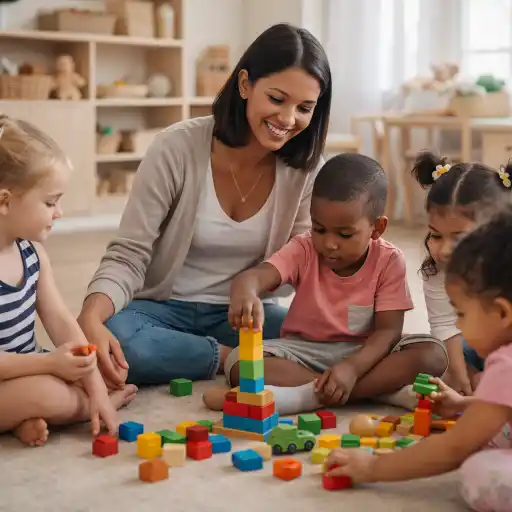
1. Physical play trains gross motor skills: running, jumping, climbing and obstacle courses develop balance, coordination and body awareness. The evidence summarized in The Impact of Outdoor Play and resources from Eastern CT show outdoor, unstructured movement improves on-task behavior and motor competence.
2. Fine motor growth emerges from manipulative play: stringing beads, using tongs, or building small models refine hand strength and bilateral coordination needed for writing and self-care.
3. Movement and cognition intersect: purposeful movement activities (obstacle courses with sequence steps, action songs) strengthen planning and executive control (Movement & Cognitive Growth).
Practical classroom steps (easy to implement):
- 😊 Reserve daily active time: aim for multiple, short bursts if you can’t do one long block. Even 10–20 minutes of quality outdoor play matters.
- 🎒 Offer layered challenges: provide easy, moderate and hard options in the same center so mixed-ability groups can participate.
- 🧱 Use loose parts and simple equipment (balance beams, hoops, balls); these invite risk-taking, planning, and mastery — essential to build physical confidence (Deliberate play examples).
How does play promote emotional and social development?
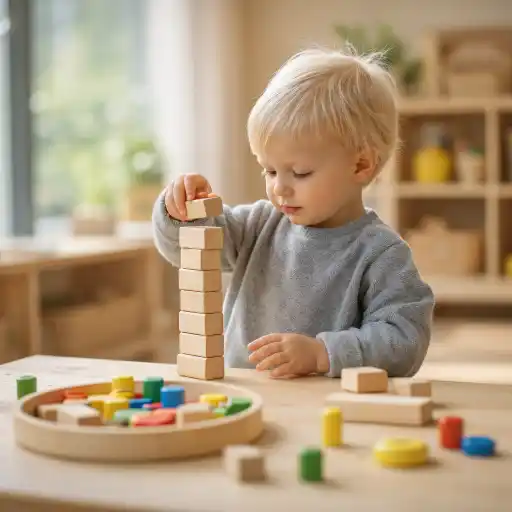
1. Play creates practice opportunities for emotion regulation: games with start/stop cues (freeze, musical chairs variants) teach children to manage impulses and recover from disappointment — a route to stronger self-regulation (Eastern CT).
2. Social skills emerge during shared play: negotiation, turn-taking, role assignment and conflict resolution are all learned in the moment. Pretend play also supports theory of mind — the ability to see others’ perspectives — a key socio-cognitive skill (Bergen).
3. Emotional processing: dramatic and imaginative play let children rehearse feelings, process stressful events, and gain mastery — building resilience and confidence (Play with a Purpose).
Classroom strategies:
- 😊 Model and narrate feelings during play ("You looked frustrated when the tower fell—what could you try next?").
- 🤝 Create small-group dramatic-play routines with rotating roles so children practice perspective taking.
- 🛠 Provide calm-down materials and reflection prompts after intense play to teach emotional regulation.
How can educators design purposeful play and avoid common pitfalls?
1. Use Developmentally Appropriate Practice as your framework: plan activities that match age-range expectations, individual needs, and cultural contexts. For clear planning steps and templates, consult What Is Developmentally Appropriate Practice. Note: state requirements vary - check your state licensing agency.
2. Design principles (quick checklist):
- 🎯 Intentional materials: open-ended, durable, and rotated regularly.
- 🔍 Observation-led scaffolding: small teacher moves that extend play rather than control it.
- 🌳 Balance indoor/outdoor options: outdoor play supports risk assessment, physicality and creativity (Outdoor Play).
Common mistakes and how to avoid them:
- ❌ Mistake: Short, fragmented play blocks. ✅ Fix: Protect longer uninterrupted play (30–45 minutes when possible).
- ❌ Mistake: Over-directed adult control. ✅ Fix: Use guided or scaffolded play — ask questions, add challenges, but let children lead.
- ❌ Mistake: One-size-fits-all materials. ✅ Fix: Offer multiple access points so children at varied levels can participate.
Measuring impact (practical and realistic):
- Use brief observational snapshots and anecdotal records tied to goals (language, motor, social skills).
- Adopt a routine assessment tool your state and program accept (e.g., DRDP) and link observations to those indicators (DAP article).
- Collect child work samples, photos and quick teacher notes weekly and review as a team.
Conclusion: What should you do tomorrow?
1) Prioritize at least one extended play block daily and protect it in your schedule. 2) Audit materials: are they open-ended and rotated? 3) Train staff in small scaffolding moves and simple observation techniques — ChildCareEd courses can support staff development (ChildCareEd courses).
Remember: well-designed play is not frivolous — it is the engine of #development across domains. Use observation, scaffolding, and purposeful material choices to make your program a space where children build brains, bodies and hearts.
FAQ (quick)
- Q: How long should play blocks be? A: Aim for at least 30 minutes for deep engagement; sprinkle shorter movement bursts when needed.
- Q: Can screen time ever be play? A: Rarely; prioritize hands-on, social, physical experiences instead.
- Q: How do I convince staff/parents? A: Share brief evidence summaries (e.g., neuroscience links and ChildCareEd summaries) and show observed child gains.
- Q: Where to learn more? A: Start with the ChildCareEd play articles and courses linked in-text.
Latest Jobs
- 45 Hour Child Growth and Development
- The Best Promotion is Play
- Balancing Physically Active Play in Child Care
- CDA Bridge Bundle: Family Child Care without Portfolio Review
- CDA Bridge Bundle: Infant/Toddler without Portfolio Review
- CDA Bridge Bundle: Preschool without Portfolio Review
- Texas Director Credential
- Balancing Active Play in Child Care
- Every Moment Matters: Schedules and Transitions
- Bye Bye Winter: The Role of Outdoor Play in Early Childhood Development
- Supporting Social Relationships Among Young Children
- Tiny Tots, Big Learning: Crafting Curriculums for the Littlest Learners!
- The Family Day Care Chronicles: Tales of Laughter, Learning, and Unexpected Adventures
- Importance of Play for Child Development
- Tiny Hands, Big Dreams: Fostering Creativity in Preschoolers
- The“Puzzle Pieces” of Sleep Stages in Children and How they Fit Together
- How Earning a CDA Might Just Make You a Child Whisperer (Or At Least a Crayon Removal Expert)
- Exploring the Cognitive Benefits of Movement in Early Childhood Classrooms
- Hungry for Play: The Power of Play-Based Learning in Early Education
- Frosty Fun: Trauma-Informed Play for Resilient Young Learners
- How motor skills shape child development and creative ways educators can foster them.
- CDA Certification en Español: Recursos y Consejos para Educadores Bilingües
- What Does Toy Story 5 Teach Us About the Power of Imaginative Play?
- What Is the Difference Between Early Childhood Education and Child Development?
- More Than ABCs and 123s: The Real Importance of Early Childhood Education
