Children in North Dakota grow up with big skies, changing seasons, and wide-open places. Outdoor education uses those local gifts to help kids learn with their whole bodies, calm their minds, and build skills adults value. This short guide is for child care providers and directors. It gives clear steps, safety tips, funding ideas, and simple activities you can use right away. You'll see links to helpful ChildCareEd trainings and state resources so your team can act with confidence. Why it matters: time outside improves physical health, attention, social skills, and emotional well-being — all key for young learners in cold winters and hot summers. For training ideas, try Benefits of Outdoor Classrooms and the free course Creating the Natural Outdoor Classroom. For a regional case study that shows how programs adapt outdoor classrooms to local climate and resources, see The Great Texan Outdoor Classroom. Remember: state requirements vary - check your state licensing agency.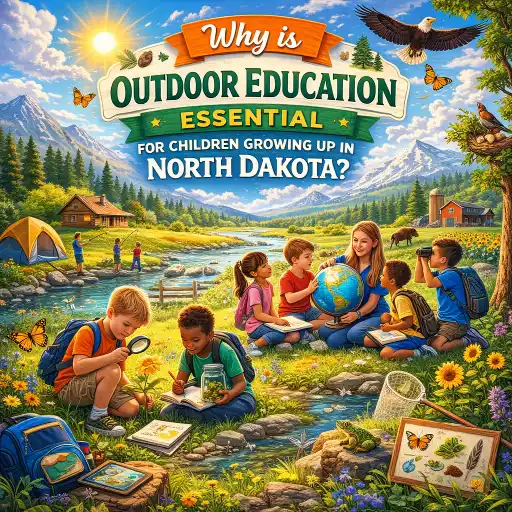
How does outdoor education help children who live and learn in North Dakota?
- 🌱 Outdoor play builds big muscles and balance. Research and ChildCareEd show that regular outside time boosts gross-motor skills and active bodies — important for preventing obesity and improving coordination (Why Outdoor Learning Matters).
- 🔎 Mental focus and learning
- 2) Spending time in nature helps children calm down and focus. Studies and practical guides note gains in attention and classroom behavior after outdoor learning blocks; see The Outdoor Classroom.
- 3) Social and emotional skills
- 🤝 Working together outdoors gives real chances to solve problems, share tools, and practice kindness. ChildCareEd resources highlight stronger social play in outdoor settings (Benefits of Outdoor Classrooms).
- 4) Curiosity about science and local place
- 🌿 Kids learn local seasons, wildlife, and weather by direct experience — a powerful start to science and environmental care (How to Teach Outside).
These benefits matter especially in rural and small-city settings across #NorthDakota where the land itself becomes a learning tool. Use short outdoor blocks several times a day to support physical health, language, and problem-solving. See the CDC guidance for health and outdoor play as you build routines (CDC Outdoor Play and Safety).
What practical outdoor activities work in every North Dakota season?
- 📚 Story spot and vocabulary walks
- Take a blanket or tarp outdoors. Read a nature book, then ask children to find a word or object from the story. This builds language and listening skills (Nature as Your Classroom).
- 🔍 Scavenger hunt with safe lists
- Make picture lists for toddlers and word lists for preschoolers: 3 leaves, 2 stones, 1 feather. Rotate lists by season (spring buds, fall leaves, winter textures). See seasonal ideas in How to Use Outdoor Learning for All Seasons.
- 🌱 Small garden or planter project
- Use pots for herbs or radishes. Children water, count leaves, and record changes. Gardening teaches responsibility and life cycles; ChildCareEd offers practical garden tips (Creative Ways).
- 🏃 Movement circuits and sensory stations
- Set up 3 short stations: balance logs, texture bins (snow/sand/leaf piles), and pouring/water play in summer. Rotate to keep interest and meet motor goals (All-Seasons Ideas).
Practical tips: 1) Keep an outdoor kit (clipboards, wipes, magnifying glass, first-aid). 2) Use numbered groups so each child gets time with materials. 3) Dress in layers and pack spares for quick changes. For clothing guidance, see REI tips on dressing kids for outdoors (REI: Dress Kids).
How do we keep outdoor education safe and still let children take healthy risks?
- Daily safety routine
- 👀 Do a quick walk-through: check gates, glass, deep puddles, and poisonous plants. ChildCareEd provides a playground safety checklist you can use (Weather & Outdoor Safety).
- Staff training and ratios
- Keep staff certified in pediatric CPR/first aid and use active supervision. North Dakota licensing rules describe necessary training and ratios — review the state guide: North Dakota Child Care Rules.
- Weather and length of outdoor time
- ☀️ On hot days, use shade, water breaks, and move play to mornings; on cold days, use layers and short blocks. ChildCareEd and the CDC recommend charts and posted plans to help staff decide (Printable Weather Chart Buy Now $0.00, CDC).
- Allow safe risk-taking
- Let children try low climbing, balance logs, or digging under supervision. These small risks teach judgment and resilience. Use risk/benefit checks in your planning (Outdoor Classroom Guidance).
Common mistakes and how to avoid them: 1) ❌ Too many loose toys — rotate items. 2) ❌ Skipping the daily check — post a short checklist by the door. 3) ❌ Overprotecting — allow guided challenges. Training resources like A Watchful Eye  Buy Now $16.00 help staff practice supervision skills.
How can programs pay for, staff, and sustain strong outdoor education in North Dakota?
1) Funding and grants
- 🔎 Look for local and state grants
- Search community foundations, Program Office grants, and small educator grants. Start with ChildCareEd’s guide to local funding (ND Grants & Supports) and regional listings like GrantWatch (GrantWatch ND).
- 🎓 Use training incentives and free courses
- ChildCareEd offers free and approved courses such as Creating the Natural Outdoor Classroom and ND-approved bundles to meet training hours while building outdoor skills.
- 👩🏫 Staff recruitment and career pathways
- Support staff with pathway incentives and local college programs. The University of North Dakota offers an Outdoor Leadership & Environmental Education minor that pairs well with early childhood degrees (UND OLEE).
- 1-page plan for funders
- Write a short plan: 1) goal, 2) budget, 3) staff training plan, 4) outcomes. Funders like simple, measurable plans — ChildCareEd’s grants guide shows common application needs (Grants Guide).
Quick FAQ: 1) Q: How long should outdoor blocks be? A: Aim for 15–30 minutes for toddlers and 30–60 minutes for preschoolers; repeat through the day. 2) Q: What if staff are nervous? A: Start small, use a mentor model, and take a short ChildCareEd course together. 3) Q: Who sets rules? A: Your director sets center policy; always align with North Dakota licensing (see ND Rules).
Final pragmatic steps you can use tomorrow: 1) Pick one daily 15-minute outdoor block. 2) Build a tiny outdoor kit (clipboards, wipes, magnifier, spare mittens). 3) Enroll one staff member in Creating the Natural Outdoor Classroom. With small steady moves, your program will grow confident in safe, joyful #outdoor #learning for young #children in #nature across #NorthDakota.
Safety is a balance: reduce serious hazards but allow small, helpful risks that build confidence. Follow a clear checklist each day and train staff to use active supervision. Remember: state requirements vary - check your state licensing agency. Use simple, repeatable activities that change only a little by season. Keep materials low-cost so staff can set up quickly. Try this numbered plan:1) Physical health and movement
- Watch Me Grow: School Age Development ONLINE
- Birth to Five CDA Credential with Portfolio Review
- Play Safe, Think Big: Literacy Through Play
- CDA Bridge Bundle: Family Child Care without Portfolio Review
- CDA Bridge Bundle: Infant/Toddler without Portfolio Review
- CDA Bridge Bundle: Preschool without Portfolio Review
- Emergent Learning & Development
- Texas Director Credential
- Spicing Up the Classroom: Learning Centers
- Elevate Your Career: From CDA Credential to Child Care Center Director in North Dakota with ChildCareEd
- CDA Certification en Español: Recursos y Consejos para Educadores Bilingües
- Lista para Abrir una Guardería en Casa en Dakota del Norte: Cómo Empezar
- Cómo Ser Maestra de Preescolar en Dakota del Norte
- Capacitación Previa al Servicio para Proveedores de Cuidado Infantil en Dakota del Norte
- How to Get an ECE Certificate in North Dakota
- North Dakota Early Childhood Workforce Registry: What Child Care Providers Need to Know
- Daycare Teacher Certification Requirements in North Dakota
- Child Care Resource Center in North Dakota: What Is It and How Can It Help?
- Online Child Care Courses in North Dakota: Training Made Simple
- How can North Dakota programs climb the Bright & Early ND steps before the July 2026 update?
- What is the Infant & Toddler Bonus and how can ND providers use it to improve care?
- Why is outdoor education essential for children growing up in North Dakota?
- How do I add my ND Registry ID to my ChildCareEd account so my training hours upload automatically?
- How does ChildCareEd cover North Dakota's mandated reporter training and required topics?
- How Does ChildCareEd Map Courses to North Dakota’s Core Competency Areas?
- How can North Dakota childcare providers finish their annual training hours with online CEU courses?
- How can I earn the Infant-Toddler credential in North Dakota?
- How do I open a licensed group child care home in North Dakota?
- How can we turn playtime into learning time in North Dakota child care?
