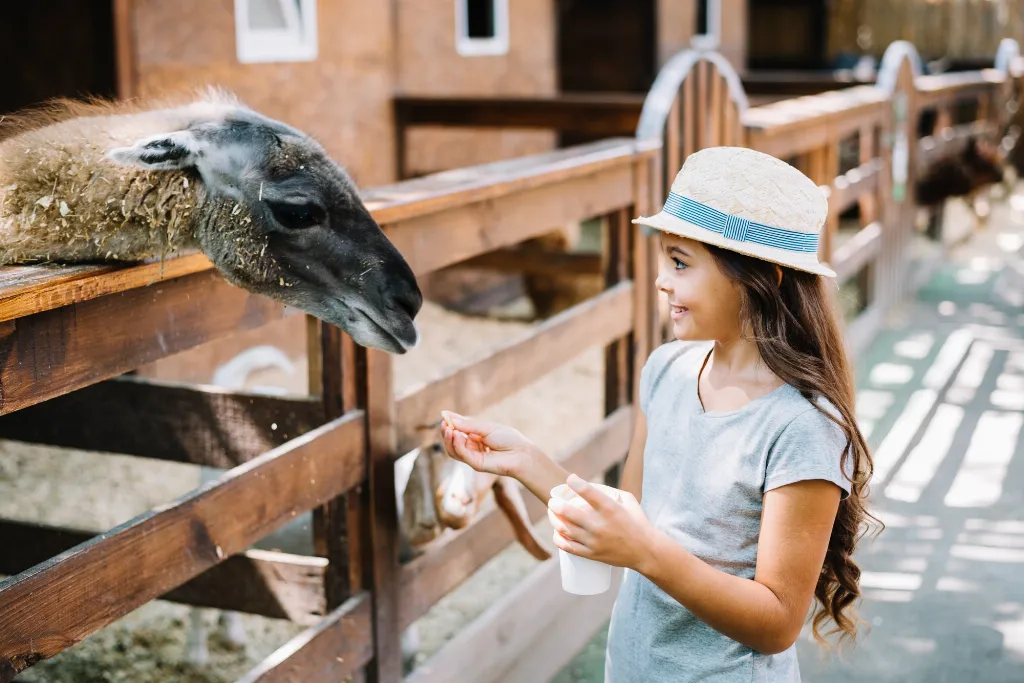
 Summer is a great time for kids to get out of the classroom and learn by doing. Well-planned outings help your #children grow, make memories, and practice social skills. For quick ideas written for Virginia providers, see Best Daycare Field Trip Ideas in Virginia from ChildCareEd.
1) What are safe, low-cost summer #Virginia #fieldtrips for daycares?
Choose places that match ages, time, and energy. Keep outings short (under 2 hours activity time for preschoolers) and sensory-rich. Here are easy picks that often cost little or nothing:
- 🌳 Local parks and state parks with short trails and shade — great for nature walks and scavenger hunts. See ideas and discounts at Virginia is for Teachers.
- 📚 Libraries for storytime and quiet breaks — low-cost and easy to supervise.
- 🐑 Petting farms or mobile animal visits — hands-on and sensory friendly; call ahead for group rates.
- 🚒 Fire or police station tours — short, local, and community-focused.
- 🧪 Children’s museums, aquariums, or science centers — look for school discounts and outreach programs.
Use community outreach when travel or budget is hard. Many venues will bring programs to you. For more fun ideas for summer and camps, see Fun Field Trip Ideas from ChildCareEd. Also see Get Ready for Summer! for ready-to-use art projects, nature walks, and activity plans to help you prepare your program and engage children before, during, and after trips.
2) How do I plan, get permission, and save money?
Good planning makes trips calm and joyful. Follow numbered steps so staff and families feel confident.
- 1. Pick a single learning goal (example: "find 3 pond animals"). Short goals help staff focus.
- 2. Get written permission and health info. Use a simple template like ChildCareEd’s Field Trip Permission Form Buy Now $0.00.
- 3. Plan transport and ratios. Decide who leads, who counts, who carries meds, and who is a float.
- 4. Call the site. Ask about school rates, group discounts, restrooms, shade, and any rules.
- 5. Pack smart: first-aid kit, water, sunscreen, bug spray (with parent permission), phones, and spare clothes.
Ways to save money:
- 🎟️ Ask for teacher/school rates and book early.
- 🏫 Choose free community sites like libraries or parks.
- 🤝 Invite volunteers or use outreach that comes to your site.
For transport training and rules, consider ChildCareEd’s course on Appropriate Precautions in Transportation of Children  Buy Now $10.00.
3) How do I keep kids safe on summer trips, during transport, and in heat?
Safety is your first job. Use clear roles, active supervision, and summer precautions. Follow national standards like Caring for Our Children and summer tips from ChildCareEd Summer Safety Tips Buy Now $0.00 and the CDC’s guidance on outdoor play Outdoor Play and Safety.
1. Before the trip: collect emergency contacts, allergy info, meds, and permissions.
2. Assign staff roles: leader, head counter, medication holder, and float staff.
3. During transport: keep ratios, use approved restraints, do head counts at each transition, and supervise actively. See ChildCareEd transport training here Buy Now $10.00.
4. On hot days: plan shade, water breaks, lighter clothing, and limit midday sun. Watch for heat illness and know first aid steps from the Red Cross.
5. For water: constant adult supervision, life jackets if needed, and follow pool/splash pad rules.
Common mistakes and how to avoid them:
- ⚠️ Not calling the site first — always check rules and bathrooms.
- ⚠️ Understaffing — keep licensing ratios and assign counting roles.
- ⚠️ Forgetting medical needs — double-check meds and allergies with families early.
4) How can I connect trips to #learning and include every child?
Field trips teach best when they link to classroom goals. Use simple pre-, during-, and post-trip steps so every child can join the fun and learn.
- 1. Before: Read a short book or show pictures. Practice a few words and safety rules (example: "stay with my buddy").
- 2. During: Give short choices and simple observation prompts: "What do you see? What do you hear?" Use a buddy system and give sensory options for shy or sensitive children.
- 3. After: Make a class book, draw pictures, or act out the trip in dramatic play. Ask each child to share one thing they learned.
Inclusion tips:
- 📞 Talk with families early about needs and what to bring.
- ♿ Ask the site about ramps, quiet corners, or sensory breaks.
- 🧑🤝🧑 Bring extra staff or volunteers when a child needs one-on-one help.
Why it matters: trips boost language, social skills, and real-world thinking. They make classroom lessons come alive and help children practice being safe in public places.
Conclusion
Summer #fieldtrips in #Virginia can be low-cost and full of learning when you plan with safety and inclusion in mind. Use simple goals, confirm rules with the site, collect permissions, and train staff on transport and heat safety. For templates and checklists, use ChildCareEd’s resources like the Field Trip Permission Form Buy Now $0.00 and training courses on transportation and supervision. Remember: state requirements vary - check your state licensing agency before you go.
FAQ
- Q: How long should a preschool field trip be? A: Keep activities under 2 hours and travel under 30–45 minutes when possible.
- Q: Can volunteers join? A: Yes if they meet your program’s background and supervision rules.
- Q: What about food allergies? A: Collect allergy info early and avoid shared snacks. Label snack items and follow your allergy plan.
- Q: How do I get discounts? A: Call venues and ask about school rates, teacher discounts, or outreach programs. See Virginia discounts.
- Birth to Five CDA Credential with Portfolio Review
- Transportation and Field Trip Safety in the Early Childhood Environment
- Potty Training Made Simple
- Emergent Learning & Development
- 45-Hour Infant and Toddler Curriculum
- Key Elements of an After School Program
- Creating Environments that Nurture Growth and Community
- Enriching Education: Field Trips
- Mindful Supervision: Balancing Safety & Independence in Montessori
- Normas de Licenciamiento de Cuidado Infantil en Virginia para Centros Diurnos Infantiles y Hogares Diurnos Familiares
- Lista para Abrir una Guardería en Casa en Virginia: Cómo Empezar
- Cómo Trabajar en el Cuidado Infantil en Virginia: Requisitos y Pasos
- Capacitación Previa al Servicio para Proveedores de Cuidado Infantil en Virginia
- Las Mejores Ideas de Excursiones para Guarderías en Dakota del Norte
- Las Mejores Ideas de Excursiones para Guarderías en Texas
- Las Mejores Ideas de Excursiones para Guarderías en Georgia
- Capacitación Previa al Servicio para Proveedores de Cuidado Infantil en Texas
- Best Daycare Field Trip Ideas in Virginia
- Summer Field Trips for Daycares in Georgia
- Summer Field Trips for Daycares in Nevada
- Summer Field Trips for Daycares in Texas
- Summer Field Trips for Daycares in Wisconsin
- Summer Field Trips for Daycares in Virginia
- Summer Field Trips for Daycares in Maryland
- Summer Field Trips for Daycares in North Carolina
- Summer Field Trips for Daycares in California
- Summer Field Trips for Daycares in Illinois
- How can Michigan providers support children with special needs over the summer?
- How can Minnesota child care programs keep kids learning and engaged over the summer?
