Every day in your program you watch children learn and change. This article gives child care providers and directors a clear, kind, and practical guide to the basics of child growth and development. You will learn what typical steps look like, how to observe and document progress, when to use screenings, and simple classroom ideas that help children grow. Use short notes, checklists, and friendly family partnerships to support each child. Remember: state requirements vary - check your state licensing agency. For a deeper, structured overview and links to related training resources, see Child Growth and Development.
What do we mean by developmental milestones and stages?
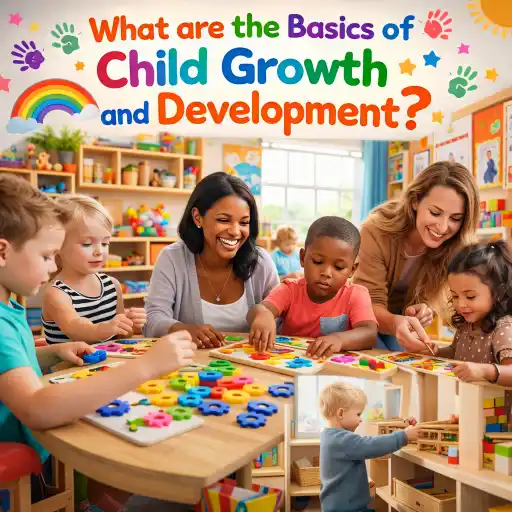
1) Developmental milestones are simple skills most children reach by certain ages. They cover how children play, learn, talk, act, and move. You can find clear lists and checklists for ages 2 months to 5 years at CDC Milestones and printable checklists at CDC Milestone Checklists. ChildCareEd also explains key stages and classroom tips in ChildCareEd: Child Development Milestones.
2) Why stages matter:
- ⭐ They help plan activities that match a child’s skills.
- ⭐ They make spotting a concern easier when a child is behind.
- ⭐ They guide friendly talks with parents about next steps.
3) Simple examples:
- By 12 months many babies pull to stand and say simple words (see Help Me Grow: 12 months).
- By 2 years children often say short phrases and kick a ball (see ChildCareEd: 2-Year Checklist).
- By 3 years most use longer sentences and play with others (see ChildCareEd: 3-Year Checklist).
Use these lists as guides—not as strict rules. Each child grows at their own pace. Keep your notes simple, kind, and factual to help children get the support they need. Your #observation of #milestones supports good decisions about #development and family partnerships with #families and health teams.
How can providers observe and track growth in the classroom?
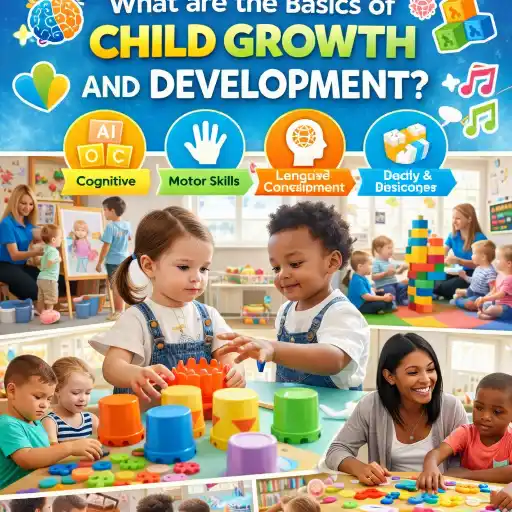
1) Make observation part of your routine. A quick plan helps everyone stay consistent:
- 📅 Weekly: watch one child for one skill (language, motor, or social).
- 📝 Monthly: use a checklist or app to record patterns.
- 📤 At pick-up: share one short positive note with the family.
2) Use simple tools. Try the CDC Milestone Tracker app or printable checklists. See CDC Milestone Tracker and ChildCareEd classroom checklists at ChildCareEd Milestones.
3) How to write good notes:
- 😊 Be specific: write the exact words or actions (example: "Said 'ball' during play, 3/5").
- ✍️ Add date, time, and setting (circle time, outdoor play).
- 🔁 Collect 2–3 examples over several days before raising a concern.
4) Common mistakes and how to avoid them:
- ❌ Mistake: Relying on one day only. ✅ Fix: collect notes across days.
- ❌ Mistake: Vague phrases like "not talking." ✅ Fix: record exact words and attempts.
- ❌ Mistake: Waiting too long to share. ✅ Fix: share strengths and one question early with families.
These steps make referral conversations easier and help families trust your work. Good #observation helps you spot small needs early and supports good #development. When you document clearly, you help children get services faster.
When should we screen or act early — and what steps should we take?
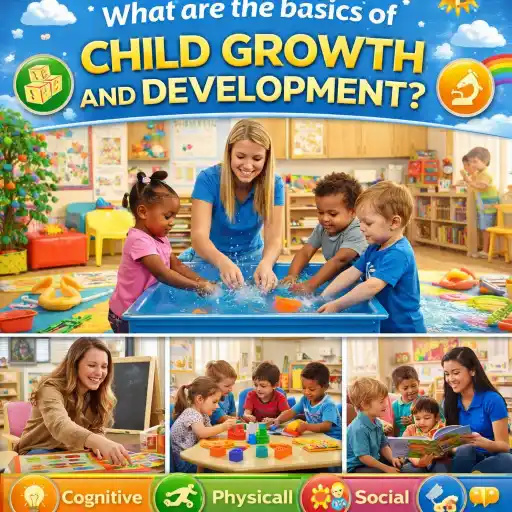
1) Know the difference:
- Developmental monitoring = watching and noting skills over time.
- Developmental screening = a short, formal questionnaire done at set ages or when there is concern. The CDC explains both in detail at Developmental Monitoring and Screening.
2) When to act:
- 🔔 If a child is missing many expected skills for their age (use checklists at CDC checklists).
- 🔔 If a child has lost skills they once had (regression).
- 🔔 If you see strong worry from parents or repeated behavior across settings.
3) Steps to take (simple and kind):
- 📝 Document 2–3 clear examples with dates and settings.
- 🤝 Talk with the child's family; lead with strengths, then share facts and offer the checklist. ChildCareEd has helpful guidance on family conversations at ChildCareEd resources Buy Now $0.00.
- 📞 Suggest the family talk with the child's doctor and request screening. The AAP recommends screening at certain ages; CDC notes common screening ages and tools.
- 📩 Help families find local early intervention if needed. The CDC page Learn the Signs. Act Early. shows how to find services.
Remember: screening tools are not a diagnosis. They point to whether a child needs a closer look. Early steps help children get help sooner. Your clear notes and supportive tone make a big difference for children and #families. Also, state requirements vary - check your state licensing agency.
How can we support everyday development in our program?
1) Build learning into routines with simple, repeated actions:
- 🎵 Language: read aloud, pause for children to answer, and name objects during play.
- ⚽ Motor: offer balls, tunnels, and safe climbing times every day.
- 🎨 Thinking: provide puzzles, sorting games, and pretend-play props.
- 🍽️ Self-help: let children try dressing, pouring, and simple clean-up tasks.
2) Use these classroom habits:
- 1) Observe with purpose: choose one skill per child each week.
- 2) Document simply: date, short note, and quick photo or sample if allowed.
- 3) Share wins: send a short positive note home and one idea for play the family can try.
3) Partner with families:
- 😊 Start conversations with strengths and a simple example.
- 🤝 Ask what they see at home and offer one easy activity to try together.
- 📚 Point families to resources like ChildCareEd trainings and the CDC Milestone Tracker app (CDC app) for shared tracking.
4) Why this matters: When you add small, daily steps into routine, you keep learning natural and joyful. Your consistent, kind approach helps children reach more #milestones and strengthens relationships with #families. Good classroom practices and clear #observation lead to better supports and stronger outcomes for every child.
Summary:
- Know typical #milestones and use them as helpful guides.
- Make short, specific notes part of your weekly routine.
- Act early with screening and kind family conversations when you see repeated concerns.
- Use daily play and routines to support growth, and link families to tools and services like ChildCareEd and CDC Learn the Signs.
Your role matters. Small observations and steps today help children grow stronger tomorrow.
- Tracking Progress, Shaping Futures: Observation & Assessment Skills
- CDA Family Child Care Credential with Portfolio Review
- CDA Bridge Bundle: Preschool
- CDA Bridge Bundle: Family Child Care
- CDA Bridge Bundle: Family Child Care without Portfolio Review
- CDA Bridge Bundle: Infant/Toddler without Portfolio Review
- CDA Bridge Bundle: Preschool without Portfolio Review
- Texas Director Credential
- Childcare Training
- CDA Certification en Español: Recursos y Consejos para Educadores Bilingües
- 🌱 Grow to Lead: Growth & Mentoring Course is a Game-Changer for Child Care Professionals 🌱
- Cuáles Son las Señales de Alerta en el Desarrollo Infantil que Todo Educador Debe Conocer?
- ¡Obtén Tu Certificación de Cuidado Infantil de 90 Horas En Línea!
- Cómo usar tu certificación de 90 horas en Maryland para completar tu CDA
- Niveles de credencial de Maryland: qué significan
- ¿Cuáles son los pasos, requisitos y opciones en línea para la certificación de 90 horas en cuidado de Infantes/Toddlers en Maryland?
- How does the brain develop in early childhood?
- 45-Hour Child Care Training in Texas: Requirements and Options
- 45-Hour Child Care Training in Virginia: Requirements and Options
- 45-Hour Child Care Training in California: Requirements and Options
- 45-Hour Child Care Training in North Carolina: Requirements and Options
- What Should Texas Child Care Providers Watch for in Preschool Development?
- Preschool Director Qualifications in California: Education, Experience, and Training
- What are the basics of child growth and development?
- How Does ChildCareEd Map Courses to North Dakota’s Core Competency Areas?
- Why Do the First Five Years Matter for Michigan Children?
- Child Growth and Development Classes Online
- How Can Directors Support New Teachers During Their First 90 Days?
