What is toy rotation, and how does it help #toddlers?
Toy rotation means you choose a small set of toys to put out now and store the rest. Later, you swap some toys out and bring different ones back.
Toy rotation helps because toddlers often feel overwhelmed when there are too many choices. Fewer choices can #lead to:
- More focused #play
- Less dumping and throwing
- Faster clean-up
- Fewer tantrums during playtime
- More “new” interest without buying new toys
ChildCareEd also shares this “less is more” idea for reducing overstimulation, including rotating toys and materials.
Why does “too many toys” lead to more chaos? 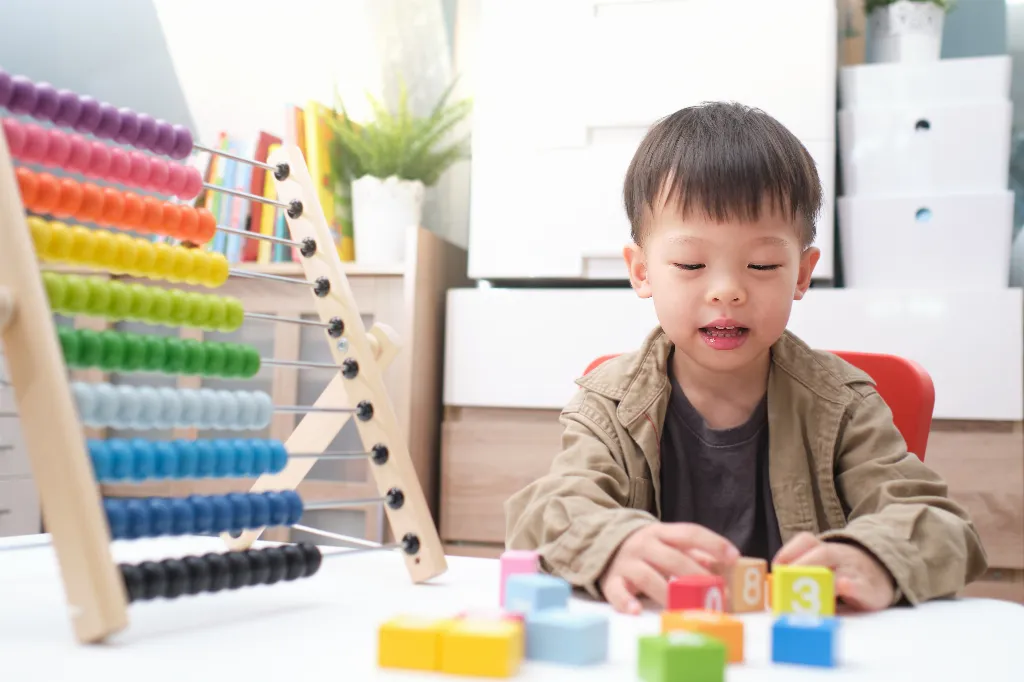
When toys are everywhere, toddlers may:
- Dump bins to see what’s inside
- Move quickly from toy to toy
- Argue over the same popular items
- Struggle to help clean up (because the room looks too big and confusing)
A calmer room supports calmer behavior. In a calmer space, toddlers can notice, choose, and stay with an activity longer.
How many toys should you put out at one time?
There is no perfect number, but here is an easy guide:
Start small and adjust:
- 2–4 choices per center (blocks, dramatic play, art, #books, #sensory, etc.)
- One bin per shelf (instead of stacks of bins)
- Enough pieces for sharing (example: blocks for 2–3 children, not just 1 child)
A helpful test:
If children are dumping bins and running around, you may have too much out. If children look bored, you may have too little out or need to rotate sooner.
What types of toys should be in a toddler rotation?
Choose toys that are open-ended (many ways to play), #safe, and easy to clean.
Great rotation items for toddlers:
- Blocks (foam, wood, large plastic)
- Simple #puzzles (big knobs, few pieces)
- Pretend play items (dishes, dolls, food, dress-up scarves)
- Sensory tools (scoops, cups, textured balls)
- Vehicles and ramps
- Stacking and nesting toys
- Board books
Tip: Put out toys that match your current theme or skills you want to practice (sorting, pouring, building, turn-taking).
How do you set up toy rotation in a #classroom or #home program?
You can set up rotation in one afternoon. Keep it simple.
Step 1: Sort your toys into groups
Use categories like:
- Blocks/building
- Pretend play
- Fine motor (lacing, pegs, stacking)
- Art tools
- Books
- Sensory
Step 2: Choose what stays out every day
Some items can stay out all the time because toddlers need them often:
- A #cozy book area
- A small set of blocks
- A few #pretend-play items
- Simple music items (if they don’t cause overstimulation)
Step 3: Store the rest where toddlers cannot access it
Try:
- Clear bins with labels (pictures + words)
- A closet shelf
- A rolling cart
- A covered storage shelf
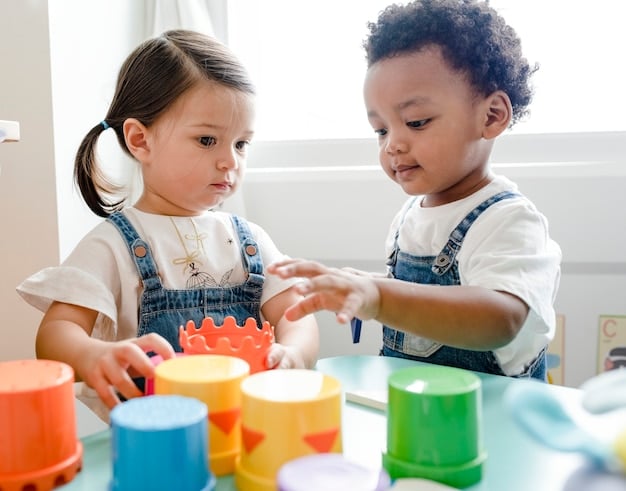
Step 4: Plan your rotation schedule
Pick a schedule you can actually keep. Many programs rotate:
- Weekly
- Every two weeks
- Monthly (for larger changes)
How often should you rotate toys for best #engagement?
A simple answer: rotate when interest drops.
Watch for signs it’s time to swap:
- Children ignore a shelf for several days
- Children use toys in unsafe ways (throwing, breaking)
- Clean-up becomes harder because children dump more
- Play feels repetitive and short
Some “favorite” toys can return often. Rotation does not mean removing what children love. It means balancing favorites with fresh choices.
What is a simple toy rotation plan you can copy?
Here is an easy 2-week example for one toddler room:
Week 1
- Blocks: chunky blocks + animals
- Fine motor: large pegs
- Pretend play: kitchen food + pots
- Sensory: scoops + cups (dry sensory bin or water play with close supervision)
- Books: #books-about families
Week 2
- Blocks: blocks + cars
- Fine motor: stacking rings
- Pretend play: baby dolls + blankets
- Sensory: textured balls + scarves
- Books: books about vehicles
Keep 1–2 “steady” items that never change (like a calm book corner). This helps toddlers feel safe with the routine.
How can toy rotation make clean-up easier?
Clean-up is much smoother when toddlers can “see where things go.”
Try these strategies:
- Use open baskets instead of deep bins
- Put out fewer pieces (ex: 10 animals, not 40)
- Label shelves with photos of what belongs there
- Teach clean-up with a short song and simple steps:
- “First blocks, then books, then toys.”
Also remember to check and clean toys regularly. A helpful ChildCareEd #free resource is the Monthly Classroom Maintenance Checklist Buy Now $0.00, which includes organizing materials and checking equipment.
What are common mistakes to avoid?
Toy rotation works best when it stays simple.
Avoid these common issues:
- Rotating too much at once (toddlers need some sameness)
- Putting out toys with missing parts (this causes frustration)
- Storing toys where children can still see them (it can increase asking and whining)
- Choosing only “busy” toys (add calming choices like books, soft toys, simple puzzles)
If a new set of toys causes more chaos, remove one or two items and try again the next day.
How do you keep toddlers #happy during the switch?
Some toddlers get upset when a favorite item disappears. That is normal.
Try:
- Rotating during #nap-time or after closing
- Saying a simple message: “Blocks are resting. They will come back soon.”
- Offering a similar option: “No train today. Here are cars.”
- Bringing favorites back on a predictable schedule
If families ask, you can explain: “We rotate toys to help children focus, play longer, and keep the room calm.”
Where can you learn more about learning spaces and toddler behavior?
These ChildCareEd courses are directly related to organizing environments and supporting toddler engagement:
- Spicing Up the Classroom: Learning Centers
 Buy Now $16.00
 - Classroom Arrangement: The Second Teacher Buy Now $16.00
- Turning Behavior Around for Toddlers and Preschoolers Buy Now $25.00
For a related ChildCareEd article that connects toy rotation with calmer spaces, read:
Follow ChildCareEd for more classroom tips
Want more simple ideas to reduce clutter and boost play? Follow ChildCareEd on Instagram for quick tips and training updates: @childcareed — and share the page with your teaching team.
- Using Toys to Support Learning
- CDA Bridge Bundle: Family Child Care without Portfolio Review
- CDA Bridge Bundle: Infant/Toddler without Portfolio Review
- CDA Bridge Bundle: Preschool without Portfolio Review
- CDA Bridge Bundle: Infant/Toddler
- 45-Hour Infant and Toddler Curriculum
- Texas Director Credential
- CDA Infants/Toddlers: Brain Development and Gene Expression
- CDA Infants/Toddlers: Stages of Development
- CDA: Stand With Respect and Professionalism
- Developing Skills Through Fall Crafts in Childcare
- 💙👥 ¿Cómo puedo construir relaciones más sólidas con las familias en mi aula?
- ¿Cuáles son los pasos, requisitos y opciones en línea para la certificación de 90 horas en cuidado de Infantes/Toddlers en Maryland?
- Capacitación Previa al Servicio para Proveedores de Cuidado Infantil en Nevada
- How can North Dakota classrooms build toddler fine motor skills with simple activities?
- What School-Age Activities Best Keep Kids Engaged?
- What are fun, practical school-age daycare activity ideas for teachers?
- Do Toys Come Alive: How Can Pretend Play Spark Creativity in Your Daycare?
- Can a simple friendship bracelet craft strengthen fine motor skills in your daycare?
- What are safe, engaging non-candy Halloween ideas for daycares?
- Why Can Fewer Toys Lead to Richer Play in the Minimalist Classroom?
- How can directors build practical leadership skills for school-age programs?
- Your Classroom Is Teaching Too: How the Environment Supports Children’s Learning
- Proporciones para guarderías en casa bajo el Título 22: Cómo la mezcla de edades cambia su capacidad en California
- How Can Child Care Providers Create Effective Daily Reports for Infants and Toddlers?
- How Can Child Care Providers Use Sensory Play to Support Young Children’s Development?
- How Can Print-and-Play Resources Support Any Learning Center?
- How Can Providers Rotate Classroom Materials Without Overwhelming Children?
- When Do Too Many Materials Make a Learning Center Harder to Use?
