Georgia peaches, cobbler, and pie! Get creative in the classroom this holiday season. Georgia child care providers can design developmentally appropriate cooking activities that simultaneously teach concepts in number sense, measurement, scientific observation, vocabulary, and civic awareness while supporting social-emotional skills. Child care providers in Georgia can use ChildCareEd Child Care Training online courses and the CDA in Georgia course in the classroom to meet professional development expectations. These ChildCareEd courses provide practical modules on food safety, lesson documentation, and curriculum integration that you can apply immediately. This article answers common questions about learning goals, safety and Georgia licensing, lesson planning and assessment, and where to find age-appropriate recipes and community connections.
How can cooking activities with peaches support learning goals in Georgia early childhood classrooms?
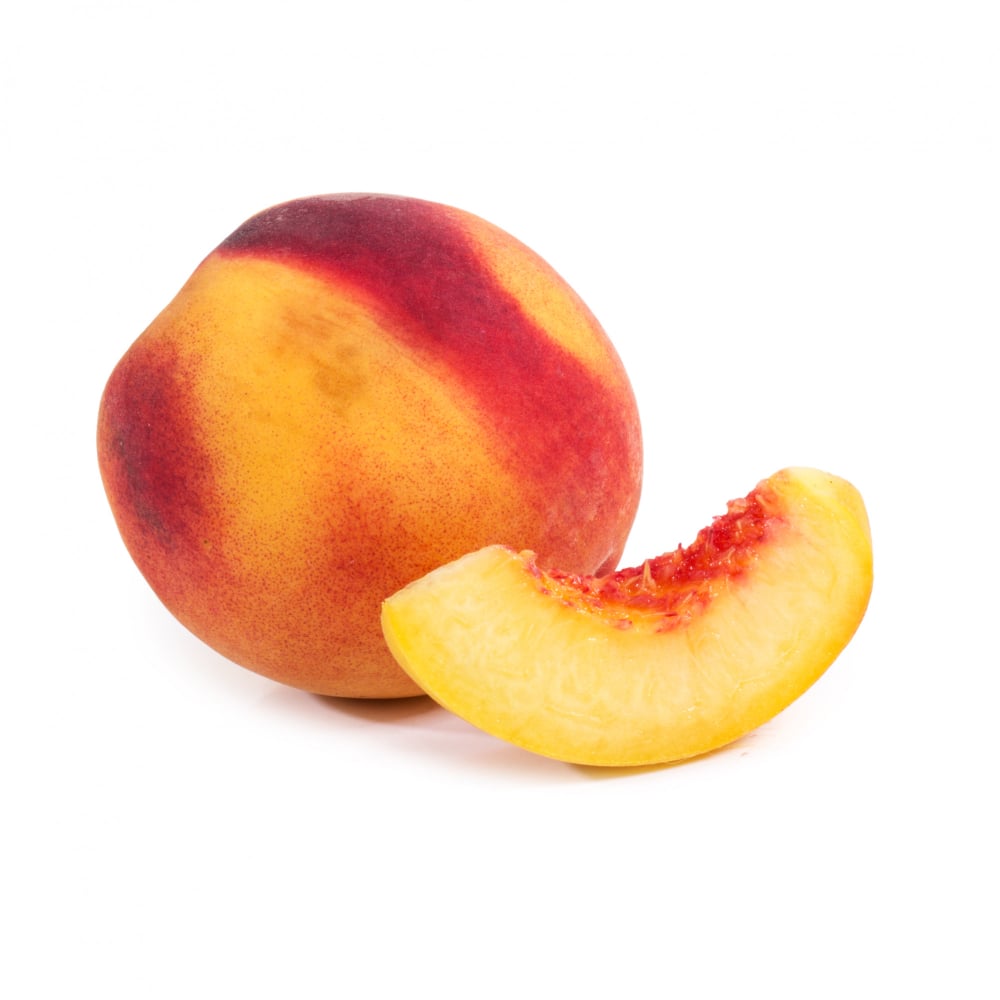
Cooking activities—when intentionally planned—become interdisciplinary lessons. With peaches as the focal object, teachers can design measurable learning objectives: children can practice counting and comparing fruit for math; observe color, texture, and changes during heating for science; and plan, sequence, and tell recipes to build emergent literacy and expressive language. Use open-ended prompts ("What changed when we heated the peaches?") to foster scientific vocabulary and hypothesis testing. For early numeracy, measure ingredients together (halves, whole, grams or cups depending on age) and record results on a class chart. These tasks support standards for early learning by embedding concrete manipulatives and repeated observational practice.
Link practical classroom ideas to ready resources: adapt strategies from Healthy Cooking for Picky Kids for scaffolding taste exploration and from peach-themed summer activities for seasonal integration. For a finished recipe teachers can adapt for the classroom, consider a simplified lattice-top peach pie or peach compote (classroom-safe preparation steps below); a concrete adult recipe example that can inspire adaptations is available for inspiration.1
What safety, food-handling, and Georgia regulations must providers follow when cooking with children?
Safety and licensing considerations must drive any cooking activity. Georgia's Department of Early Care and Learning (DECAL) sets childcare licensing, staff-training, and childcare food-safety expectations; training topics covered by DECAL (food safety, child supervision, and sanitation) should inform your operating procedures — see the site guidance on DECAL training requirements and our how to become a childcare director in Georgia guide for details. Key practice points: obtain parental permission for food activities; screen for allergies and implement strict cross-contact procedures; maintain adult: child ratios appropriate for cooking tasks; use age-appropriate utensils; and enforce handwashing before and after food handling. Document competency and emergency procedures in your program records to satisfy monitoring and quality assurance reviews.
How do I plan a lesson and assess learning from cooking activities?
Plan backward from learning objectives. Identify 1–3 measurable outcomes (for example: child will use quantitative language to compare amounts; child will describe three sensory changes during cooking). Develop a short sequence: introduction and vocabulary, guided small-group activity, and a reflection assessment. Assessment can be observational checklists, child work samples (e.g., a counting chart), or audio recordings of children describing steps. Use the classroom management strategies from How Can Early Childhood Programs Encourage Healthy Habits? to structure routines that make food activities safe and pedagogically rich.
Where can I find classroom-ready recipes and community connections?
Start with simplified, no-bake or low-heat recipes for younger children (peach compote, fruit salad, or a classroom 'peach parfait') and graduated tasks for older preschoolers (measuring, simple stovetop compote with adult supervision). The published recipe example in the references can be adapted to classroom portion sizes and safety protocols.1 Pair cooking with community learning: invite a local baker, visit a farmers market, or plan a farm field trip to teach food provenance and community roles—link ideas are available at Georgia farm field trip ideas and Field Trip Ideas in Georgia. Community examples show how pies and small food businesses connect to service and civic life.2
How can I adapt peach recipes safely for different ages and allergies in my Georgia classroom?
Adapting recipes for classroom use requires explicit, age-based scaffolding, clear allergy mitigation, and predictable supervision plans. Below are practical, classroom-ready adaptations organized by age group and accompanied by documentation and alignment ideas you can use immediately.
Infants (birth to 12 months): Avoid hands-on cooking activities with infants. Use supervised sensory exposure only (e.g., a sealed container to observe a peach's aroma or pictures of peaches during circle time). Any food introduced must follow individual feeding plans in each infant's file and written parent permission.
Young toddlers (12–24 months): Focus on no-heat, low-choking-risk tasks. Offer pre-sliced, soft peach slices or mashed peach served on a spoon; caregivers should handle knife work and hot steps. Emphasize single-ingredient tasting and descriptive vocabulary (soft, sweet, sticky), and record observations on a simple pictograph for assessment.
Older toddlers and preschoolers (2–5 years): Give children concrete, supervised roles: washing whole fruit, tearing soft herbs, stirring pre-measured ingredients in a bowl, and counting peaches. Avoid knives for children who cannot use them safely; instead, ad use peelers with direct adult guidance or pre-cut fruit. When heating is required (e.g., stovetop compote), restrict all heat to the adult and let children observe temperature-related changes, make predictions, and help with non-thermal steps (measuring, mixing, setting timers).
School-age children (5+ years): Gradually increase responsibility: independent measuring, safe cutting demonstrations, and age-appropriate stovetop tasks under close supervision. Integrate recipe math (fractions, ratios), reading comprehension (following steps), and leadership roles (peer helper, equipment manager).
Allergy and substitution planning: Maintain a current allergy roster and use color-coded ingredient bins for each child's plate. Offer safe substitutions (e.g., seed-free fruit, soy-free dairy alternatives) and practice strict handwashing and surface sanitization between tasks. Label all classroom-prepared food and keep a dated checklist of who tasted or handled each batch for traceability.
Sanitation, ratios, and documentation: Follow your program's DECAL-informed policies for adult-to-child ratios during food activities, require adult handling of hot equipment, and use disposable or program-laundered linens. Document objectives and assessments in the lesson's daily note: include the learning targets, the role each child had, observable evidence (photo, work sample, or anecdotal note), and follow-up plans.
Aligning to professional development: If you want a structured pathway to improve your program's food-safety and curriculum alignment, see ChildCareEd course options for Georgia providers (online early-childcare courses in Georgia) and consider the CDA in Georgia course for state-specific credential mapping, which covers safe food handling, curriculum integration, and documentation strategies that map to DECAL training topics.
Summary: How can providers turn Georgia peaches into rich learning?
Cooking with peaches can be deliberately designed to teach measurement, observation, language, and community awareness while meeting Georgia licensing expectations. Use ChildCareEd courses such as ChildCareEd Child Care Training for professional development, follow DECAL-related safety and training guidance, scaffold tasks by age, and document learning with simple assessments. These activities support curriculum, health and nutrition goals, and community engagement for children and families. #Georgia #peaches #nutrition #curriculum #earlychildhood
- Early Mathematics Through Play
- 45 Hour Preschool Methods and Materials
- Art from the Heart for Preschoolers: Open Ended Art Projects that Build Self-Esteem
- Creating Environments that Nurture Growth and Community
- Texas Director Credential
- 40-Hour Director's Course
- 10 Hour Health and Safety Orientation Training
- FCCLH Pre-Service Course
- CDA de Georgia
- Celebrating Diverse Cultures: Upcoming Holidays from Around the World
- Cuáles Son las Señales de Alerta en el Desarrollo Infantil que Todo Educador Debe Conocer?
- 🚌 ¿Qué Significan las Regulaciones de Transporte de Illinois para las Excursiones Infantiles? 🚦
- 📊¿Cómo puedo hacer un seguimiento de la capacitación de mi personal en GAPDS como proveedor?✨
- 🍑 ¿Qué capacitación requiere DECAL cada año para el personal de cuidado infantil en Georgia?
- Qué capacitación se requiere para ser director de cuidado infantil en Georgia?
- 🚌🍑 Ideas de excursiones en Georgia
- 🍑📘 ¿Cada cuánto DECAL exige actualizar planes de emergencia en Georgia?
- Lista para Abrir una Guardería en Casa en Georgia: Cómo Empezar
- Cómo Trabajar en el Cuidado Infantil en Georgia: Requisitos y Pasos
- Cómo Ser Maestra de Preescolar en Georgia
- Capacitación Previa al Servicio para Proveedores de Cuidado Infantil en Georgia
- Las Mejores Ideas de Excursiones para Guarderías en Georgia
- Requisitos para Guarderías en Casa en Georgia
- How can I plan peach-themed summer activities for preschoolers in Georgia?
- How can Georgia farm field trips teach young children about animals and food?
- ¿Todos los niños deben participar en el tiempo de círculo?
