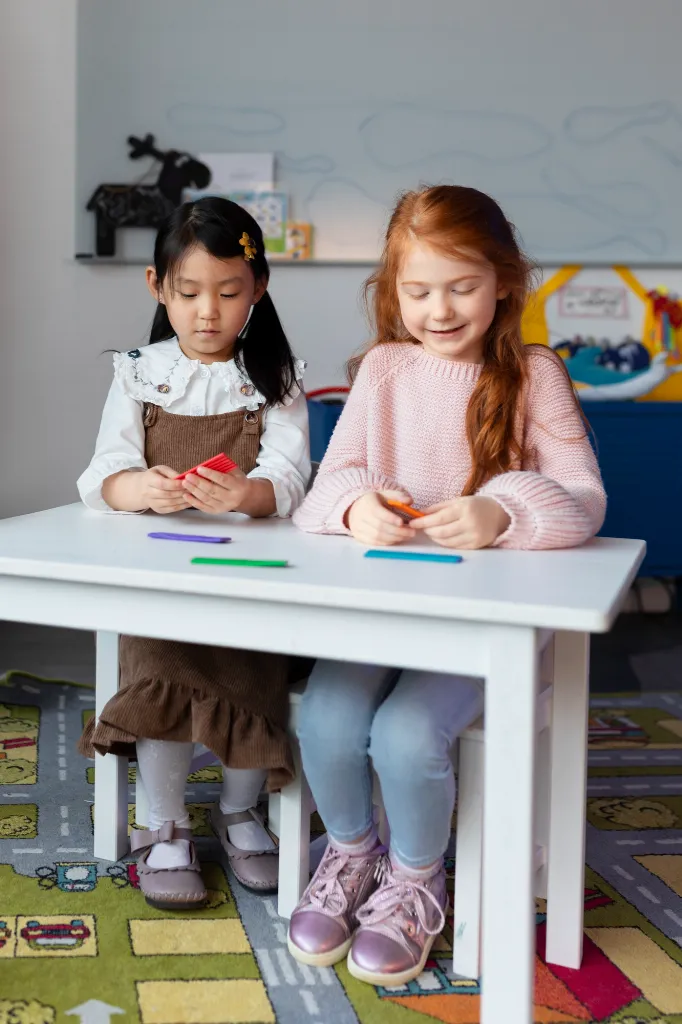
 Opening or running a child care program in #Wisconsin can feel big, but you can do it step by step. This article is for child care providers and directors who want a clear plan to get a #license and keep kids safe. Why it matters: good licensing work protects children, builds trust with families, and keeps your program open. state requirements vary - check your state licensing agency.
What are the first steps to get a daycare license in Wisconsin?
Start with a short plan and the right type of license. Follow these steps:
📘 Read the state guides: Decide if you need a group child care center license or a family (in-home) certification. See the clear overview at Wisconsin Child Care Licensing Rules and the home start guide at How do I start a home daycare step-by-step?.
🖊️ Contact your regional licensing office: Ask about local forms, zoning, and orientation sessions so you know the exact steps for your county.
📐 Pick your space: Check whether your chosen building or home meets space and exit rules. If you are opening at home, read In-Home Daycare Requirements in Wisconsin.
🔁 Make a simple timeline: plan background checks, preservice training, inspections, and your application date. state requirements vary - check your state licensing agency.
What paperwork, background checks, and training do I need?
Licensing needs many records. Keep everything in one folder and a digital copy. Key items include:
🧾 Background checks and caregiver law checks: Wisconsin expects criminal history and child abuse registry checks for staff and household adults. See the licensing overview at Daycare Center Requirements in Wisconsin.
📁 Child records: enrollment forms, immunizations, health records, emergency contacts, and signed permission slips.
🩺 Health & safety training: Most programs require pediatric CPR/First Aid and safe sleep training. ChildCareEd lists Wisconsin-approved bundles like the Family 15-hour Bundle and the Center Staff 25-hour Bundle. Add your Wisconsin Registry ID so course credit uploads automatically—learn more at Wisconsin Registry: What Providers Need to Know.
📂 Staff files: job forms, training certificates, and dates. Scan certificates and save them in the cloud and in a paper folder.
Tip: Use a simple tracker with columns for name, course, hours, topic, and upload date. state requirements vary - check your state licensing agency. These steps keep your #training and records ready for visits.
How do I prepare my space and meet health and #safety rules?
🧯 Check safety gear: smoke and carbon monoxide detectors, fire extinguishers, safe exits, and a stocked first-aid kit. ChildCareEd offers a monthly walk-through checklist in Facility walk-through audits.
🔒 Lock medicines and cleaning supplies; anchor heavy furniture and cover outlets. For in-home providers see In-Home Daycare Requirements in Wisconsin.
🛏️ Follow infant safe sleep rules: firm mattress, back-to-sleep, and no loose bedding. Keep records of any sleep plan in the child's file.
🌳 Outdoor play: fence the play area, check surfacing, and remove broken toys. Use extra staff for higher-risk activities like swimming and follow DCF worksheets when required (see Daycare Center Requirements).
📋 Post ratio charts and emergency plans where staff can see them at shift change.
Why it matters: a safe space prevents injuries and shows parents you care. Small checks each week keep you #InspectionReady and protect children and staff.
How do I stay inspection-ready and avoid common mistakes?
Inspections are easier when your program has good habits. Use this plan:
- 📁 Keep an inspection folder with tabs for staff files, child files, drills, and policies. Include training certificates and background check proof.
- 🔁 Do a monthly walk-through: fix red items today, assign yellow items a due date, and share a short recap with staff. See the walk-through guide at Facility walk-through audits.
- 😊 Common mistakes and quick fixes:
- ❌ Taking unapproved courses — ✅ Fix: use Wisconsin-approved courses from ChildCareEd Wisconsin portal.
- ❌ Losing certificates — ✅ Fix: scan and store in two places.
- ❌ Ratios slip during transitions — ✅ Fix: post a ratio chart and assign a floater at arrival and outside play.
- 🧾 Track training and Registry uploads: add staff Wisconsin Registry IDs before courses and keep a simple spreadsheet of uploads. See Wisconsin Registry.
Before a visit, calm your team: be honest with the inspector, show your folder, and share your fix-by plan if a problem appears. You are building a safer program every day. state requirements vary - check your state licensing agency.
Conclusion
- ✅ Quick checklist: choose your license type, complete background checks, finish required #training, prepare a safe space, and keep tidy records.
- ✅ Helpful links: use ChildCareEd’s Wisconsin pages for step-by-step guides and approved bundles like the Center Staff bundle and the Family bundle.
- ✅ Final note: small daily habits—walk-throughs, scanned certificates, posted ratios—make licensing visits calm and keep children safe. You are doing important work. Keep asking questions and lean on local resources. #daycare #safety
- Que es Título 22 en California?
- Cómo Solicitar una Licencia de Guardería en Texas
- ¿Cómo solicito la licencia para una guardería en California?
- Lista para Guardería en Casa en Texas: Cómo Iniciar una Guardería en el Hogar
- Cómo Trabajar en el Cuidado Infantil en California: Requisitos y Pasos
- How to Open a Home Daycare in Wisconsin
- In-Home Daycare Requirements in Wisconsin
- Daycare Center Requirements in Wisconsin
- How to Get a Daycare License in Wisconsin
- Daycare Teacher Certification Requirements in Wisconsin
- How to Become a Licensed Childcare Provider in Wisconsin
- Wisconsin Child Care Director Credentials: Requirements and Training
- Daycare Jobs in Wisconsin: How Old Do You Have to Be?
- Daycare Grants in Wisconsin for 2026: Support for Child Care Programs
- Starting an In-Home Daycare in Wisconsin: Requirements and Tips
- Wisconsin Home Daycare Licensing Standards
- How Many Kids Can You Watch Without a License in Wisconsin?
- New Kindergarten Teacher Resources: Grants, Supplies, and Training
- Grants for In-Home Daycare Providers in Wisconsin
- What Certifications Do I Need to Open a Child Care Center? Owner vs. Director Requirements Explained
