Reducing food loss and waste in early care settings can lower program costs, support nutrition goals, and model responsible habits for young children. Child care directors and providers can make meaningful progress through simple steps such as improving menu planning, tracking leftovers, adjusting portion sizes, storing food correctly, safely reusing approved ingredients, and involving families in waste-reduction efforts. This practical guide combines food-service operations, child-friendly sustainability lessons, safe composting practices, family engagement, and easy tracking methods so teams can turn small changes into measurable results.
To strengthen your program’s nutrition and meal-planning practices, explore ChildCareEd’s self-paced online course Healthy Starts: Safety, Nutrition, and Wellness in Child Care  Buy Now $55.00. The training covers nutritional planning, child nutrition, food allergies, supervision, and strategies for maintaining safe and healthy early learning environments. Providers can apply these principles by planning realistic quantities, monitoring which foods are frequently discarded, protecting food safety, and helping children learn to take appropriate portions without pressure. State requirements vary, so always check with your state licensing agency.
Why does reducing food waste in child care matter?
Environmental and educational impact: Children learn sustainable habits when they participate in composting, taste-tests, and food-rescue projects—resources and classroom activities are on ChildCareEd (Earth Day Every Day) and in national lesson sets (see Purdue's food waste videos for curriculum ideas: Food Waste Videos).
1) What simple menu and mealtime changes cut food waste?
- 🍽️ Plan short rotating menus (1–4 weeks) so shopping is predictable. Use ChildCareEd's Weekly Menu Buy Now $0.00 and Weekly Menu Planner Buy Now $0.00 to match CACFP or program goals. #menus
- 📦 Buy seasonally and in appropriate pack sizes; freeze portions when practical to prevent spoilage.
- 🥣 Use batch cooking and portion control: cook to planned counts and hold extras safely for another day when permitted by your policy and health rules.
- 👫 Adopt family-style service where safe—research shows children learn hunger/fullness cues and waste often declines when they serve themselves (see family-style benefits summarized by ChildCareEd and university research: family-style study).
- 🔁 Repurpose safe leftovers into soups, casseroles, or planned next-day meals; label, date, and follow food-safety time limits.
2) How can CACFP, budgets, and procurement help you cut waste?
- 📋 Align menus with CACFP meal patterns and claim practices so reimbursements offset healthy food costs—see ChildCareEd's CACFP overviews (CACFP in California) and practical guidance (CACFP cost-stretching tips). #CACFP
- 💰 Track food spend vs. reimbursement monthly to spot trends and adjust menus or shopping lists.
- 🛒 Build partnerships with local farms, CSAs, or food banks for seasonal produce and overstock donations; when used promptly, these lower-cost items reduce waste and support farm-to-ECE lessons (see farm-to-ECE ideas linked in ChildCareEd guides).
- 🔍 Negotiate pack sizes and delivery frequency with vendors to match consumption patterns (smaller, more frequent deliveries can cut spoilage).
- 📈 Use simple forecasting: record meal counts and no-shows daily, then base ordering on averages rather than guesswork.
3) How can you engage children and families to prevent waste and build buy-in?
Consider promoting community nutrition events—such as the Summer Food Program kickoff in Baltimore County—to connect families with free meals and activities that model healthy eating and reinforce program waste-reduction goals.
Education plus family partnership turns single events into program culture changes. Try these numbered, doable ideas:
- 🥕 🍎 Run classroom taste-tests and record child preferences; repeat favorites more often and retire items that consistently fail.
- 📣 Send short family messages with photos and a one-line tip (e.g., "Try this sliced pear at home this week"). ChildCareEd offers family-engagement strategies for nutrition (engaging families in nutrition). #families
- 🌱 Create hands-on lessons: composting, waste-sorting games, and mini garden harvests turn waste reduction into curriculum (see ChildCareEd Earth Day activities: 15 Earth Day activities).
- 🤝 Partner with families for "leftover challenges"—share recipes that use common leftovers so families and staff reduce home and program waste together.
- 📊 Celebrate wins: post weekly waste or compost weight and a short success story to keep momentum.
4) How can programs set up safe, age-appropriate composting and food recovery?
Composting and food recovery turn scraps into resources and learning. Start small and safe:
- 🪱 Choose the right system: classroom worm bins or sealed outdoor bins work for small programs; larger centers may partner with a municipal organics program. Resources like Composting for Preschoolers and Purdue's food waste videos give practical how-tos.
- 🔐 Set clear food-safety rules: no meat, dairy, or oils in classroom compost; keep bins covered and away from play areas; store them per local health rules.
- 🌿 Use compost as a learning tool: seedlings, soil comparisons, and plant projects link directly to early learning goals—ChildCareEd's garden-based learning piece offers classroom connections (Garden-based learning in NY).
- ♻️ For food recovery, partner with local rescue organizations for safe surplus collection—document any donor agreements and follow local regulations.
- 📚 Train staff and families on what goes where; create simple visuals and rotating roles so composting is consistent and hygienic.
5) How do you track impact, avoid common mistakes, and build sustainability?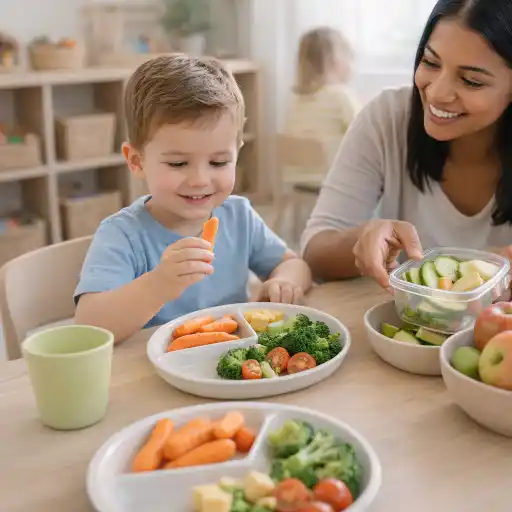
Measurement turns effort into evidence. Use short, regular checks your team can keep up:
- 📈 Track three indicators weekly: (1) pounds/volume diverted to compost or recovery, (2) plate waste observations (simple tallies), (3) food cost vs. meals served. Start with one sheet and improve the system.
- 🧾 Keep menu and meal-count records—ChildCareEd's menu planners help match ordering to consumption (Weekly Menu Buy Now $0.00).
- ✅ Invest in brief staff training on food safety and waste reduction. ChildCareEd's food-safety training guide explains modules and documentation to protect children and programs (Food safety training).
- 🚫 Common mistakes and fixes:
- ❌ Over-ordering: fix with rotating menus and better meal counts.
- ❌ Inconsistent plate rules: fix with family-style protocols or consistent portion sizes for plated service.
- ❌ Not tracking waste: fix by assigning one staff member to a weekly diversion log and quick huddles to act on trends.
FAQ — Quick answers for busy providers
- Q: How fast can we start? A: Begin with a 1-week menu rotation and a single compost bin pilot—small pilots give quick learning.
- Q: Does CACFP allow leftovers? A: Yes, with food-safety limits; align with your sponsor guidance—see ChildCareEd CACFP resources for details (CACFP tips).
- Q: Are classroom compost bins hygienic? A: Yes, when properly managed (no meat/dairy), covered, and located away from play—follow local health rules and staff training.
- Q: What if families object? A: Start with education, offer opt-out tasting options, and highlight health and budget benefits; involve families in planning.
- Q: Where to get curriculum tools? A: ChildCareEd and Purdue offer lesson plans and videos for food-waste education (see links above).
Conclusion
Start with three actions this month:
- 📝 Post a 1-week rotating menu using ChildCareEd templates and record meal counts daily.
- ♻️ Pilot a small compost or diversion bin and run one taste-test activity that invites families to join.
- 📊 Track one metric (compost pounds or plate waste tallies) weekly and adjust orders accordingly.
Small, repeatable changes—consistent menus, family engagement, safe composting, and clear tracking—add up. Use ChildCareEd resources for templates, CACFP help, and staff training; combine program routines with learning opportunities, so children develop lifelong habits. Remember: state requirements vary - check your state licensing agency.
- 45 Hour Child Growth and Development
- Reducing the Risk of Sudden Infant Death Syndrome
- Leadership Through Mentorship
- Nutrition Essentials for Child Care Providers
- Tracking Progress, Shaping Futures: Observation & Assessment Skills
- 24 Hour Texas Pre-Service
- Texas Director Credential
- Trauma-Sensitive Care: Supporting Young Children with Empathy
- National Eat Your Vegetables Day June 17
- Cómo Abrir Una Quardería En Casa Sin Dinero?
- 10 Ejemplos de Cómo la Cultura Influye en el Desarrollo Infantil
- Cómo Empezar una Guardería en Casa: Requisitos y Pasos
- Proporciones de Cuidado Infantil y Tamaños de Grupo por Edad en Maryland (Guía Rápida para Centros y Hogares)
- Proporciones de Cuidado Infantil y Tamaños de Grupo por Edad en Nueva Jersey (Guía Rápida para Centros y Hogares)
- Proporciones de Cuidado Infantil y Tamaños de Grupo por Edad en Virginia (Guía Rápida para Centros y Hogares)
- Lista para Guardería en Casa en Texas: Cómo Iniciar una Guardería en el Hogar
- How can New York early childhood programs use garden-based learning?
- Diversión fresca de verano: actividades del Día Nacional del Helado para niños
- Canciones, juegos y preguntas de círculo para niños
- How can North Dakota providers stretch food costs with CACFP?
- Cómo simplificar la capacitación para sus empleados de daycare
- How can child care programs handle picky eaters without mealtime battles?
- How Can Your Child Care Program Reduce Food Waste?
- How can child care programs prevent seasonal safety hazards like heat, cold, allergies, holiday risks, and outdoor play dangers?
- How Can Early Childhood Programs Implement Practical Sustainability Practices?
- How Can You Start a Daycare With Little Money? 10 Ways to Lower Startup Costs
- What Are the Best Practices for Diapering and Handwashing Procedures in Child Care?
