Working in child care is important and busy. This article helps directors and providers see simple, daily ways to show #professionalism so children are safe, families trust you, and staff feel supported. State requirements vary - check your state licensing agency.
Why it matters:
1) Children learn best when adults are calm, kind, and consistent. 2) Families feel confident when staff communicate clearly and follow rules. 3) Staff stay safer and less stressed when the program has clear habits for the day. Small actions add up to big trust.
What does professionalism look like every day?
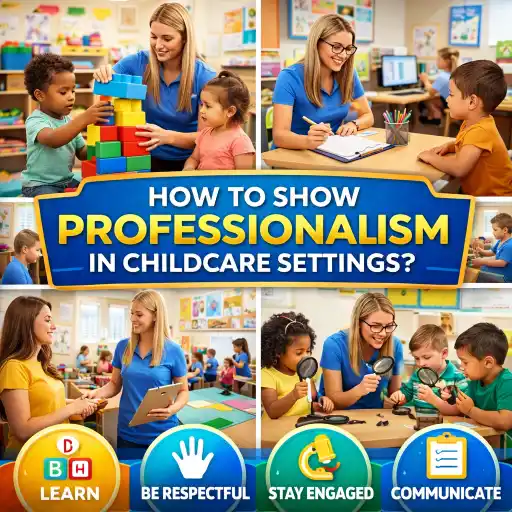
Professional behavior shows up in routines, communication, and how staff treat each other. Here are clear, everyday actions you can use:
- 😊 Greet families and children by name at arrival. A warm hello helps everyone feel welcome. See examples at How can DC early childhood educators show professionalism....
- 🍽️ Follow health and safety rules at meals and snacks. Model manners and talk about food and feelings. Use posted routines so substitutes and visitors know what to do.
- ⏰ Give warnings before transitions. Use songs, timers, or simple cues so children move calmly from play to circle time.
- 🧹 Teach clean-up. Child-sized access to shelves helps kids gain independence and reduces conflict.
- 📄 Keep notes short, clear, and private. Record facts, times, and who was involved. For guidance on privacy and ethics see What are ethical practices and professionalism.
Key touches of professionalism also include a neat dress code, calm cell phone use, and following the program's policies. These small habits help your #children and #families feel safe and respected.
How can programs support staff and keep skills strong?
- 📚 Provide regular, short trainings. Use online and in-person options. ChildCareEd lists many useful courses in their catalog like Child Care Workforce Qualifications, Training, and Professional Development Buy Now $0.00.
- 🤝 Pair new employees with mentors for guided practice and feedback for 2–4 weeks.
- 🧠 Offer coaching and follow-up after training. Adults learn best when they practice and get feedback, as researchers suggest. See ideas from trainer professional development at ECRP research.
- 🌿 Promote small self-care steps. Build short staff breaks, rotate heavy tasks, and encourage use of resources like the self-care guide at Practicing Self-Care and Professionalism Buy Now $0.00.
- ✅ Link learning to goals. Use observations and kind feedback to celebrate growth and set next steps. Pursuing credentials like the CDA helps staff grow; see CDA: Stand With Respect and Professionalism
 Buy Now $24.00.
Remember: funding, staff time, and local rules matter. State requirements vary - check your state licensing agency. Good PD is short, practical, and includes support on the job. This keeps #training useful and realistic.
How do we build professional relationships with families and colleagues?
- 👋 Greet by name and share one positive note at drop-off. A quick strength builds trust. See practical tips at How can we build professional relationships with families?.
- ✉️ Use short daily highlights plus a weekly summary. Ask families how they prefer to hear from you (text, app, paper) and record it.
- 📞 Call quickly for health or safety concerns and document the call. Keep messages fact-based and kind.
- 🔒 Protect privacy. Share family info only with staff who need to know. Write down agreements and plans. For program-level details on handling records, consent, and data release, see the policy on records, release, and privacy.
- 🤝 Use team handoffs. A 1–2 minute checklist at shift change keeps everyone on the same page about health, behavior, and plans.
For program-level change, leaders set the tone. Train the team, write family-friendly policies, and ask families for feedback. Research shows that supportive organizations have better family partnerships; see Improving Family Engagement. Good relationships support #children and help #staff feel supported.
What common mistakes should we avoid and how do we fix them?
Knowing common pitfalls helps your team stay professional. Here are frequent mistakes and fixes:
- 🚫 Mistake: Not modeling policy. Fix: Leaders follow rules publicly and explain why.
- 🚫 Mistake: Overloading staff with long trainings. Fix: Use short, practical sessions and on-the-job coaching.
- 🚫 Mistake: Skipping documentation. Fix: Keep short, consistent notes after incidents or changes and store them securely.
- 🚫 Mistake: Sharing photos or details without permission. Fix: Get written consent and explain where photos are used.
- 🚫 Mistake: Blaming families in hard talks. Fix: Start with strengths, share facts, and invite ideas for next steps. For scripts and help see family communication.
When teams avoid these pitfalls, the whole program becomes calmer and safer. Organization matters: set clear systems, teach them in orientation, and practice them often.
Conclusion: What can I do tomorrow?
Quick steps you can take right away:
- 👀 Post a short, visible daily schedule for families and substitutes.
- 📣 Start a weekly 10-minute staff huddle to share praise and quick updates.
- 📚 Pick one short PD module from ChildCareEd to complete this month.
- ✍️ Add a one-page decision checklist in the office for ethics and reporting.
FAQ (short):
- Q: How long should orientation be? A: 5–10 minutes day one, with a longer meeting later if needed.
- Q: When do I tell families about a report? A: Follow your state rules and program policy — sometimes you must inform, sometimes a supervisor leads the call.
- Q: How often train on ethics? A: Short refreshers every 3–6 months and full onboarding for new staff.
- Q: What helps burnout? A: Small breaks, fair schedules, peer support, and access to self-care resources.
Professionalism is practical. Use clear routines, short training, kind communication, and written policies to protect #children, support #families, and strengthen your #staff. Keep learning, and remember: state requirements vary - check your state licensing agency.
Programs that invest in training and support keep #staff feeling competent and motivated. Here are steps directors can take:Strong relationships with families make days smoother and learning stronger. Follow these clear steps:- Master Child Care Administration with ChildCareEd
- CDA Certification en Español: Recursos y Consejos para Educadores Bilingües
- 👶 ¿Cuáles son las proporciones y grupos requeridos en Dakota del Norte? 🏫
- Recursos en Español sobre el Sueño Seguro del Bebé
- 10 Ejemplos de Cómo la Cultura Influye en el Desarrollo Infantil
- Proporciones de Cuidado Infantil y Tamaños de Grupo por Edad en Maryland (Guía Rápida para Centros y Hogares)
- Proporciones de Cuidado Infantil y Tamaños de Grupo por Edad en Virginia (Guía Rápida para Centros y Hogares)
- Cómo Trabajar en el Cuidado Infantil en Carolina del Norte: Requisitos y Pasos
- How can we build strong work ethics in DC early childhood classrooms?
- How can Florida early childhood educators show professionalism while working with children and families?
- How can we show professionalism in childcare settings?
- Celebrando la amistad en el cuidado infantil durante el Día de los Mejores Amigos
- Canciones, juegos y preguntas de círculo para niños
- Cómo simplificar la capacitación para sus empleados de daycare
- How Can You Show Child Care Worker Skills and Qualities on a Resume and Interview?
- Want to Become a Daycare Assistant? Start With These Essential Training Skills
- What Certifications Do I Need to Open a Child Care Center? Owner vs. Director Requirements Explained
- How Can Child Care Providers Handle Difficult Conversations with Families Professionally?
- What Is the CDA Credential, and How Can Child Care Professionals Earn It?
