Building a CDA Professional Portfolio is easier when you have the right guidance and examples. ChildCareEd’s Birth to Five CDA Credential with Portfolio Review  Buy Now
 $399.00$299.00 provides self-paced training and portfolio support for educators working across multiple age groups. Candidates can also use the free Creating the CDA Professional Portfolio Buy Now $0.00 resource to understand and organize the required sections. For training designed for additional age groups and settings, explore ChildCareEd’s CDA Credential courses with Portfolio Review. If you work in a home-based program, consider the CDA Family Child Care Credential with Portfolio Review, which provides the 120-hour training and portfolio review tailored to family child care providers. Below, you’ll find simple steps and tips for Preschool, Infant-Toddler, and Family Child Care settings.
1. What is the purpose of the CDA Professional Portfolio?
The CDA Professional Portfolio is a structured collection of documentation that shows how your daily practice matches national CDA standards. Think of it as a living record that combines your #portfolio evidence, reflective writing, and verification items into a single narrative reviewers can follow. It demonstrates three things, clearly and directly:
- Knowledge: formal training and transcripts that meet the 120-hour requirement; see the training overview at ChildCareEd CDA overview.
- Experience: proof of required hours and work verification forms (for center or family settings), as summarized in the CDA Portfolio Checklist.
- Skill & Professionalism: competency statements and resource items that connect what you know to what you do each day (portfolio guidance).
Why it matters: employers, families, and PD Specialists read your portfolio to understand how you support child development. A clear portfolio also becomes a portable record for job interviews and professional growth.
2. What are the required sections and typical items to include?
Most CDA pathways expect the same essential parts — organized so a reviewer can match evidence to the six CDA goals. Use the ChildCareEd checklist and templates to speed this up (What Should Be Included). Core sections usually are:
- 📄 Cover page & Table of Contents (use templates at free resources).
- ✍️ Professional Philosophy Statement (1 page) — your beliefs about learning and caregiving; see examples in How to Build Your CDA Portfolio Step by Step.
- 📝 Six Reflective Competency Statements (CS I–VI) linking practice to theory — templates and samples at CDA Competency Statements.
- 📚 Resource Collection items (learning experiences, RC I-3 weekly plan, menus, bibliographies) — see detailed RC guidance at RC I-3 and RC V for forms.
- 👪 Family Questionnaires (completed copies) and community/family resource lists — guidance at CDA Portfolio Requirements.
- 🎓 Training documentation, CPR/First Aid (if required), transcripts, and work experience verification forms.
Label each item with which Competency Goal it supports to make matching fast for the PD Specialist.
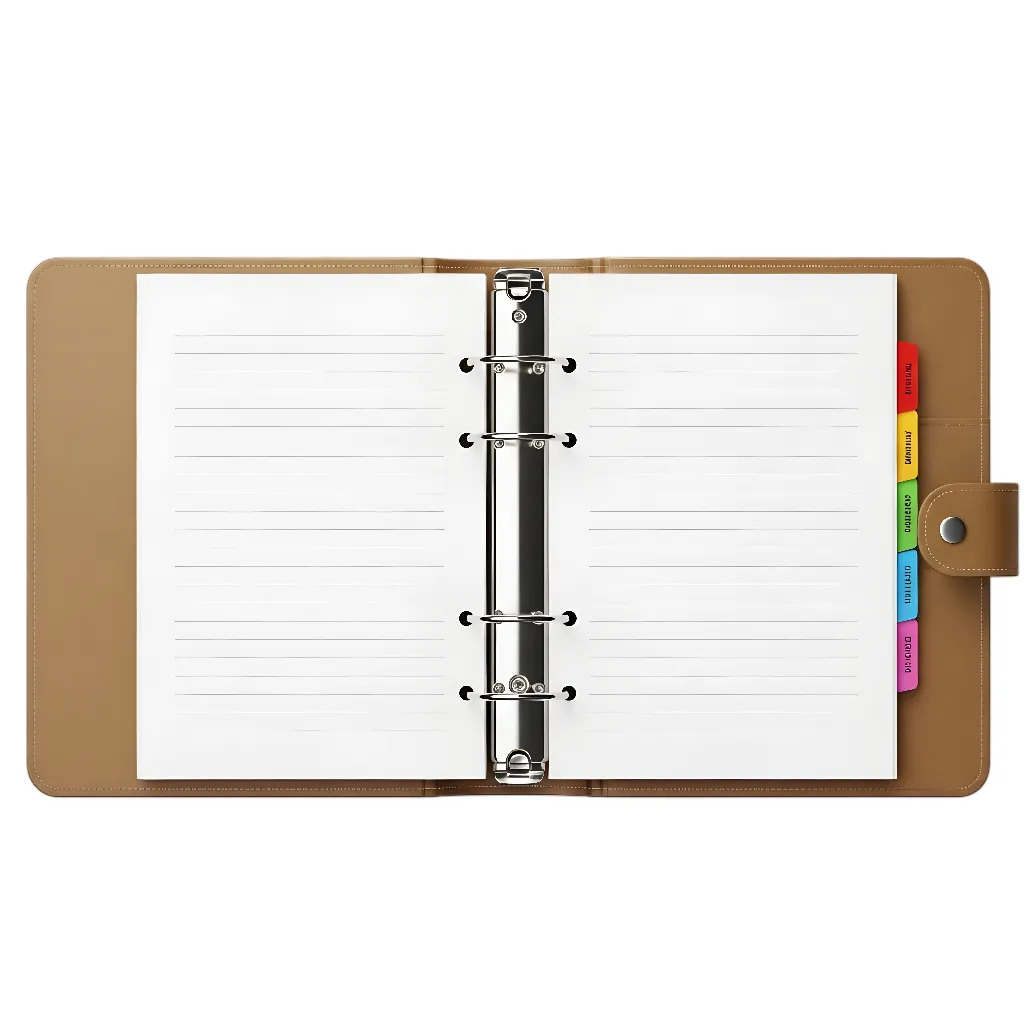 3. How do competency statements and the philosophy show readiness for the CDA?
Reflective competency statements convert everyday actions into professional evidence. Use a simple four-part structure recommended by ChildCareEd:
- 🔹 Name the Competency Goal and Functional Areas.
- 🔹 Describe a single, concrete classroom example (who, what, outcome).
- 🔹 Explain why the action supported development (link to child learning).
- 🔹 Reflect: what you learned and one next step.
This format shows thoughtfulness — reviewers want to see not just tasks but rationale. Use real child quotes or short observations (redact names) and link each statement to one Resource Collection item (e.g., lesson plan, observation, family note). ChildCareEd offers templates and samples to model these steps (Understanding CDA Competency Statements).
Keep statements 200–500 words, honest about growth, and clearly cross-referenced. This approach communicates your #competency, reflective thinking, and readiness for the Verification Visit.
4. How should I organize and present my portfolio so reviewers can find evidence fast?
Neat organization is a high-return task. Follow this numbered plan for a physical binder or a digital PDF:
- 📁 Choose format: sturdy binder with tabs or a single searchable PDF. See organization tips at Organizing Your CDA Portfolio.
- 🔖 Use numbered tabs that match the Table of Contents and the CDA checklist (CDA Portfolio Checklist).
- 📎 Add mini cover notes at each tab explaining why items are included and which competency they support.
- 📸 Photos: include only with written parent permission or remove faces. Label and date each photo.
- 🧾 Keep originals of certificates in a separate folder; include copies in the portfolio.
Small habits that help:
- 🙂 Put one item per sleeve or one file per PDF page so nothing gets hidden.
- 🙂 Number pages to match the Table of Contents.
- 🙂 Use consistent fonts and short labels for quick scanning.
These organization choices make the Verification Visit smoother and let your work shine.
5. What common mistakes should I avoid, and how do I prepare for the Verification Visit and exam?
Common pitfalls are predictable — and fixable. Below are repeated issues and practical fixes drawn from ChildCareEd resources (10 Mistakes, Free CDA Portfolio Help):
- ❌ Missing documents — Fix: use the CDA Checklist and check items off as you collect them.
- ❌ Disorganization — Fix: tabs, Table of Contents, and short cover notes for each section.
- ❌ Weak reflective statements (descriptive, not reflective) — Fix: use the 4-part template and link to a Resource Collection item.
- ❌ Expired or missing certificates — Fix: renew CPR/First Aid and gather transcripts early.
- ❌ Photos without permission — Fix: always secure written consent or blur faces.
Preparing for the Verification Visit and exam:
- 📅 Practice a short reflective dialogue about one competency example; PD Specialists expect honest reflection.
- 🎯 Plan observation activities that show varied skills (group time, routines, guided play).
- 📂 Bring originals for verification and a tidy portfolio for review.
- 📚 Schedule the CDA Exam after applying; testing info and scheduling are managed through Pearson VUE (Pearson VUE CDA exam).
Summary
Your #CDA #portfolio is a professional story: training + experience + reflective practice. Start small: gather the checklist items, draft one competency statement using the 4-part formula, and build your Resource Collection with labeled evidence. Use ChildCareEd templates and samples and, if helpful, enroll in a course with portfolio review to get feedback before the Verification Visit. Take steady steps — your documentation will reflect the meaningful work you do with #children and show your #professional commitment.
FAQ
- Q: How long should each competency statement be? A: Aim for 200–500 words with one clear example (statement guide).
- Q: Can I submit a digital portfolio? A: Yes — many candidates submit searchable PDFs; follow your CDA pathway and course rules (digital tips).
- Q: Do I need parent permission for photos? A: Yes — always get written consent or omit faces to protect privacy.
- Q: Where do I schedule the CDA exam? A: After your application is approved you schedule the CDA Exam through Pearson VUE (exam scheduling).
- Q: Who can review my portfolio before I submit? A: A mentor, supervisor, or ChildCareEd PD Specialist can give feedback; consider a course with portfolio review (CDA courses).
Remember your strongest evidence is the real work you do each day. Take it step by step, keep materials labeled, and ask for help when you need it. You’ve already got the skills — now package them so reviewers can see your strengths. #portfolio #CDA #competency #children #professional
- CDA Preschool Credential with Portfolio Review
- Birth to Five CDA Credential with Portfolio Review
- CDA Family Child Care Credential with Portfolio Review
- CDA Bridge Bundle: Preschool
- CDA Infant/Toddler Credential with Portfolio Review
- CDA Bridge Bundle: Family Child Care
- CDA Bridge Bundle: Family Child Care without Portfolio Review
- CDA Bridge Bundle: Infant/Toddler without Portfolio Review
- CDA Bridge Bundle: Preschool without Portfolio Review
- CDA Bridge Bundle: Infant/Toddler
- Using your 90-hour certification to complete your CDA.
- Your Maryland 90-Hour Certification Can Help You Work Toward a CDA
- Cómo usar tu certificación de 90 horas en Maryland para completar tu CDA
- ¿Cómo empiezo mi certificación CDA en Florida en línea?
- How to Earn Your CDA Certification in Virginia
- How Do I Complete an Infant-Toddler CDA Training Guide?
- Can the CDA Help Minnesota Child Care Providers — and Is It On Sale Now?
- Is the CDA Right for You?
- Online CDA Classes: A Flexible Path Toward Your CDA Credential
- Where Can You Get Your CDA Online? Start Your Credential with ChildCareEd
- CDA Bridge: You Have Your 90 Hours—What Comes Next?
- How Do You Get a Child Development Associate (CDA) Credential?
