Good communication makes daily work easier for everyone in childcare. This short guide gives clear steps you can use with families, staff, and leaders. It is written for child care providers and directors. Use these ideas in staff meetings, at drop-off, or in your program handbook. Remember: state requirements vary - check your state licensing agency.
Why does professional communication matter in childcare?
2. Clear talk between staff lowers mistakes and stress. Strong #communication helps teams solve problems before they grow. For more on communication basics, review Communication Skills in Child Care.
3. Families trust programs that share facts and show respect. When parents get short, accurate updates, they feel included. For real steps to include families, read Communicating with Parents in the ChildCare Industry.
Why it matters: Good communication builds safer, kinder classrooms. It also keeps your program running smoothly and keeps staff feeling supported. Use clear words, short notes, and routine check-ins to make a big difference for #children and #families.
What practical steps improve communication with families and staff?
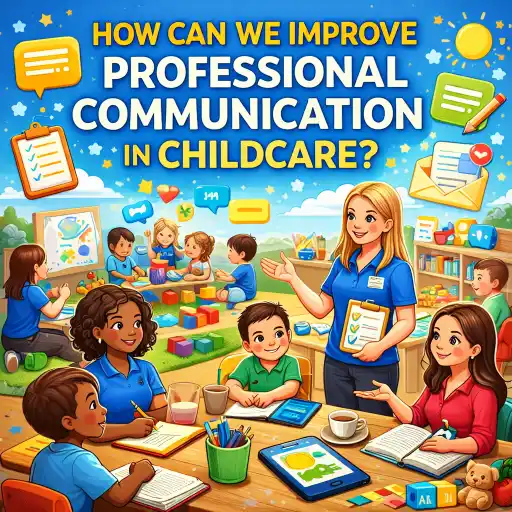
Try this checklist. Use short items and repeat them often.
- 😊 Daily updates: 1 sentence at drop-off or a quick written note. Example format: WIN — What we did, Improvement, Next step. See examples at Communicating with Parents.
- 📣 Weekly highlight: one positive photo or short note (if parents consent). Use the free Family Communication Note Buy Now $0.00 tools.
- 📝 Clear rules: post 3–5 expectations in each room and use the same words across staff. ChildCareEd articles about teamwork show sample scripts.
- ☎️ Private talks: use phone or scheduled meetings for sensitive topics. Set a response time (example: respond within 24 hours on business days).
- 🔁 Use more than one method: in-person, paper notes, and tech if your program policy allows. For training options, see the 9 Hour Communication Course
 Buy Now $99.00.
Note: Keep messages short and clear. Avoid jargon. If families speak another language, use simple words, pictures, or an interpreter. State requirements vary - check your state licensing agency.
How do we handle hard talks, privacy, and ethics?
2. Protect privacy and follow rules: lock files, limit who sees records, and follow program policies. For guidance on ethics and confidentiality, read Ethical Practices and Professionalism. For health privacy basics, see HIPAA guidance (note: not all childcare programs are covered entities, but privacy is still important).
3. Reporting and safety: if you suspect abuse or serious risk, follow your state law and program steps right away. Do not wait. Use clear, dated notes of what you saw and who you told.
Common mistakes and how to avoid them:
- ⚠️ Talking about a child in public — fix: move the talk to a private place.
- ⚠️ Using labels like “bad” or “bully” — fix: describe the behavior and the facts.
- ⚠️ Delaying reports — fix: document immediately and tell your supervisor.
How can training and teamwork keep professional communication strong?
1. Make short, regular training part of your plan. Use online modules and group reflections. ChildCareEd offers courses on family partnerships and communication such as Partnering with Families and the 9 Hour Communication Course Buy Now $99.00.
2. Build coaching and peer support:
- 🧑🤝🧑 Assign a mentor or lead teacher to model tone and phrases.
- 📋 Use short observation + one clear next step for follow-up.
- ⭐ Celebrate wins in quick staff huddles.
3. Use teamwork tools. TeamSTEPPS is a teamwork framework used in health care. It has useful tools for clear handoffs and shared language. See TeamSTEPPS for ideas you can adapt.
4. Train for special needs communication. Use visual supports and AAC ideas from Special Needs in Daycare: Supporting Communication Buy Now $0.00. Work closely with families and therapists so messages are the same at home and in care.
Quick checklist to start this week:
- ✅ Post 3 classroom expectations.
- ✅ Start a 3-minute daily handoff: 1 win, 1 need, 1 change.
- ✅ Schedule a 20-minute staff meeting to role-play one hard talk.
When staff learn together and keep messages simple, your program feels calmer and stronger. Use regular training and kind coaching to protect #staff morale and improve #professionalism.
Summary
1. Good #communication helps #children, #families, and staff. It builds trust, safety, and better learning.
2. Use simple routines: short daily notes, weekly highlights, private meetings for concerns, and consistent language across staff.
3. Protect privacy, follow reporting rules, and train often. Small habits—posted expectations, daily handoffs, brief coaching—make a big difference. For more tools and courses, visit ChildCareEd.
1. Children learn best when adults share the same plan. When teachers and families exchange simple, regular info, children feel safe and supported. See tips in Building Strong Partnerships for ideas to start today.1. Prepare before the talk: gather facts, note dates/times, and practice a calm opening. Use a script: start with a strength, share an observation, explain the impact, and invite teamwork. ChildCareEd explains this in Communicating with Parents.- From Challenges to Triumphs: Strategies for Childcare Educators in New York
- Gold Stars Aren’t Just for Kids: Why Childcare Certifications Are the Secret Sauce to Success
- CDA Certification en Español: Recursos y Consejos para Educadores Bilingües
- Guiding the Future: Directors and Administrators Are the Heart of ECE in Pennsylvania
- How can we build professional relationships with families?
- How can educators create SMART goals for teaching, classroom management, family engagement, and career growth?
- How can childcare apps strengthen family communication in my program?
- How Can Administrators and Teachers Improve Their Communication to Strengthen Program Quality?
- How can childcare centers improve staff communication to make classrooms calmer and safer?
- Emergency and Disaster Preparedness Training Online: What Will You Learn?
- Field Trips for Elementary Students: 15 Adventures That Bring Learning to Life
- How Would You Approach Inclusivity and Diversity in a Childcare Setting? A Strong Interview Answer With Real Examples
- How Can Child Care Providers Use Surveys to Gather Meaningful Family Feedback?
- How Can Child Care Leaders Help Staff Feel Heard Beyond the Suggestion Box?
