Building #trust in your Washington early childhood program starts with simple, clear choices every day. Strong #ethics guide how staff treat children, speak with #families, and work together as a team. This short guide helps directors and providers turn v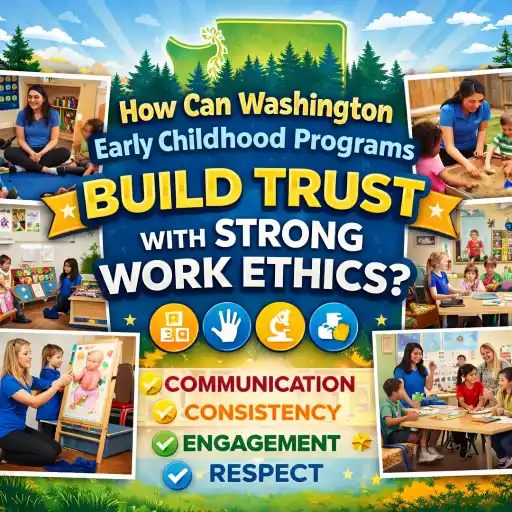 alues into actions you can use right now. Remember: state requirements vary - check your state licensing agency.
Why it matters:
1. When staff act with clear ethics, families feel safe and stay connected to your program. See simple tips on how to build trust with parents.
2. Good ethics keep #children safe, reduce mistakes, and make your team stronger. The NAEYC Code and trainings like The Ethical Code of Child Care  Buy Now $24.00 help explain why.
How do strong work ethics build trust in my program?
2. Teach the basics: "do no harm," respect families, keep information private, and support each other. Learn more from the ChildCareEd summary on essential ethics and the NAEYC Code summary at Study.com.
3. Use a clear decision process when things get hard:
- Gather facts.
- List duties to the child, family, staff, and program.
- Pick the option that keeps the child safe first.
- Act, tell your supervisor, and write what you did.
4. Make ethics part of daily life: short staff huddles, posted checklists, and role play. These small steps help staff act with confidence and help families see that your program cares about #children first.
What everyday actions show strong ethics to families and children?
2. Protect privacy and follow reporting rules:
- 🔒 Keep records secure and share only with those who need to know.
- 📝 Get written permission before sharing photos or contact lists.
- ⚠️ If you suspect abuse or neglect, report right away. Many ChildCareEd guides explain mandated reporting and documentation.
3. Use simple daily tools:
- 😊 A morning greeting log for families.
- 🗒️ Short handoff notes about naps, meals, and moods.
- 🔍 A quick incident form to record facts (who, what, when).
4. Train staff during orientation and refresh often. ChildCareEd orientation resources show what to include so new hires know expectations fast: Orientation Training. State requirements vary - check your state licensing agency.
How can leaders support staff so that ethics stay strong and burnout stays low?
2. Provide clear supervision and coaching:
- 📅 Regular short check-ins (10–15 minutes) to talk about challenges and wins.
- 🧭 Use a 30-60-90 plan for new staff so learning is steady and not overwhelming.
- 📚 Offer practical training, such as supervisor and communication courses (Supervisor Training).
3. Protect staff well-being. Give reasonable schedules, breaks, and access to mental health support. The HHS workplace well-being guidance shows why safety, rest, and belonging matter for good work (HHS).
4. Use shared leadership. Invite teachers into decisions. Research shows that programs with relationship-centered leadership have better family partnerships and happier staff (Douglass study).
What special challenges exist in Washington, and how should we handle them?
1. Washington has a strong focus on licensing and subsidy checks. Keep records tidy and be ready for visits.
2. Be aware of public concerns. News stories remind us that trusting systems and families takes work. If incidents happen, report and cooperate with DCYF. See coverage of Washington oversight issues for context (CenterSquare, CenterSquare follow-up, and a local incident report KHQ).
3. Common mistakes and how to avoid them:
- ❌ Sharing photos without permission — ✅ Fix: get written consent and explain use.
- ❌ Weak documentation of incidents — ✅ Fix: use a short, dated incident form and save it securely.
- ❌ Leaving families out of decisions — ✅ Fix: invite them to conferences and share notes.
4. State rules can change. State requirements vary - check your state licensing agency and consider STARS-approved trainings and ChildCareEd courses to stay current.
Conclusion
1. Start small: post a short ethics list, run a 10-minute staff huddle, and update your orientation. These small steps build #trust with #families and protect #children.
2. Invest in #staff: regular coaching, fair schedules, and clear supervision keep ethics strong.
3. Use available training and state-approved courses to document competence and meet Washington rules (like STARS MERIT). For practical courses, explore ChildCareEd resources, including the Ethical Code Buy Now $24.00 and supervisor trainings.
FAQ (quick):
- Q: Who decides what is ethical? A: Use NAEYC guidance, your written program policy, and team discussion (NAEYC summary).
- Q: When to report? A: If you suspect abuse or serious safety problems, report promptly to DCYF and police if needed.
- Q: How to show families you follow ethics? A: Share your commitments in writing, invite family input, and document decisions.
You are doing important work. Small steps that make #ethics visible and simple will help your program grow stronger and be a place families trust. For ready-made lessons and certificates, visit ChildCareEd and local Washington training partners.
1. Communicate clearly and kindly. Share news that matters and celebrate small wins. For tips on family messages and partnership ideas, see Enhancing Communication with Families. 1. Explain the values you expect. Put a short, easy list where staff can see it.1. Build a trusting team culture. Model honesty, say thank you, and admit mistakes. Small acts of trust lower stress and keep staff longer. Read ideas on team culture at From Staff to Family.- 45 Hour Child Growth and Development
- Professional Presence in Early Childhood
- Family Connections: Creating Inclusive Relationships
- Training Guide for Families from Diverse Language and Cultural Backgrounds
- Texas Director Credential
- History, Policy, and Practice in ECE
- Equity-Centered Communication in ECE
- Families, Communities, and Classrooms: Working Together for Children
- Creating Community
- Early Childhood Education in Washington
- ChildCareEd: Empowering Early Childhood Educators with Quality Training
- CDA Certification en Español: Recursos y Consejos para Educadores Bilingües
- 👶 ¿Cuáles son las proporciones y grupos requeridos en Dakota del Norte? 🏫
- Recursos en Español sobre el Sueño Seguro del Bebé
- Curso de Comunicación de 9 Horas de Maryland
- Retraso del Habla en la Guardería: Cómo Pueden Ayudar los Proveedores
- Cómo Trabajar en el Cuidado Infantil en Carolina del Norte: Requisitos y Pasos
- Cómo Ser Maestra de Preescolar en Maryland
- What Do New Daycare Providers in Washington Need to Know to Build a Strong Child Care Program?
- How can we build strong work ethics in DC early childhood classrooms?
- How can Washington early childhood programs build trust with strong work ethics?
- How Can Washington Early Childhood Educators Practice Professionalism with Children, Families, and Staff?
- How can Florida child care programs build strong work ethics?
- What Can Early Educators Learn from NAEYC’s Centennial Conference in DC?
- What Can Washington Providers Learn from Children’s Own Little Worlds?
- Cómo simplificar la capacitación para sus empleados de daycare
- How can we strengthen professionalism in early childhood education?
- What Are Our Ethical Responsibilities in Childcare?
