Good learning spaces help kids grow. In this article you will learn simple, practical steps to make learning spaces that help your #children learn, feel safe, and try new things. A strong space includes clean and healthy routines, clear areas for play and learning, warm teacher moments, and chances for every child to join in. Read on for easy lists you can use tomorrow. Remember: state requirements vary - check your state licensing agency.
Why does a supportive learning environment matter?
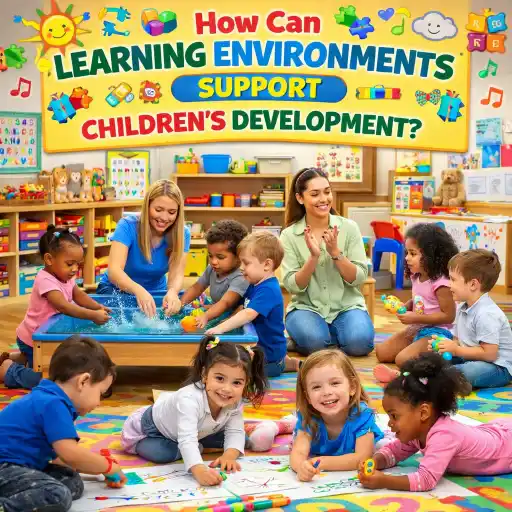
1) 🎯 Children learn best when they feel safe and calm. Clean rooms, clear routines, and kind adults help kids focus and explore. See ideas about healthy spaces at Creating Healthy Learning Environments in Childcare for quick, practical checks.
2) 📚 Good environments boost all areas of development: language, motor, social, and thinking. Research shows the quality of care and how adults interact with children are powerful predictors of child outcomes — read a summary at Defining and measuring quality.
3) 🤝 Families trust programs that are organized, welcoming, and inclusive. Small changes often lead to big improvements in learning and family partnerships.
What should a development-supporting classroom look like?
- 🔹 Define centers: reading, blocks, art, sensory, dramatic play, and a quiet corner. ChildCareEd gives center ideas in How to Design Centers.
- 🔹 Use child-sized furniture and low shelves so children can choose and return items independently.
- 🔹 Label with pictures and words to help children and families know where things belong.
- 🔹 Allow open-ended materials (loose parts, blocks, fabric) to encourage imagination and problem solving — see play-based ideas at What Are Play-Based Learning Approaches?. For research-backed examples of how playful materials and child-led activities support language, self-regulation, and social-emotional growth, see the power of play-based learning in early education.
- 🔹 Make a quiet corner with soft light for children who need a break.
Also consider classroom quality tools like the environment rating scales for practical guidance on space and routines: ITERS and FCCERS-3.
How do routines and teacher interactions support development?
- 👋 Greet each child by name and use short, kind sentences.
- 🕒 Keep consistent daily routines: arrival, group time, meals, outdoor play, rest. Predictable days reduce stress and support behavior.
- 👀 Observe first, then join play: watch to learn interests, add language or a new idea, then step back. ChildCareEd explains how teachers can support play in Play-Based Learning.
- 🤝 Use positive guidance: teach skills instead of punishments. The Pyramid Model and CSEFEL materials show ways to build social-emotional skills — see CSEFEL. For settings serving children who have experienced stress or trauma, trauma-informed play approaches provide developmentally appropriate activities and teacher strategies to build safety and resilience — see practical examples at trauma-informed play approaches.
- 📔 Track progress with short notes or photos and share wins with families.
Training helps staff improve interactions. ChildCareEd and other trainings offer ideas for better adult-child interactions and coaching. For staff seeking a structured roadmap, the CDA Focus Areas outline the core content areas early educators need to enhance their practice and support children's development. Good adult support boosts learning for years to come.
How can we include outdoor play, sensory work, and inclusion for every child?
1) 🌳 Outdoor and nature play add movement, science learning, and calm. Simple moves like storytime under a tree or a garden project are powerful. See creative outdoor ideas at Nature as Your Classroom and safety tips from the CDC.
2) 🧩 Sensory supports help children focus and regulate emotion. Offer a sensory table, fidgets, or a calm corner. ChildCareEd has practical guides for sensory and inclusion strategies in Including Children with Special Needs.
3) 🤝 Inclusion means changing the room, not the child. Use visual schedules, adapted tools (thicker crayons, adapted scissors), and choices so every child can join. For step-by-step tips, see Creating Inclusive Learning Environments.
- 🔸 Make low-cost adaptations first: rearrange shelves, add picture labels, create a quiet nook.
- 🔸 Partner with families and specialists, share one daily success, and set small goals together.
- 🔸 Train staff on observation, routines, and positive behavior supports—small trainings build confidence.
Common mistakes — how to avoid pitfalls?
- ⚠️ Too much adult control. Fix: Let children lead play at least part of the time.
- ⚠️ Rushing transitions. Fix: Build longer play blocks and use visual countdowns.
- ⚠️ Not planning for different learners. Fix: Use Universal Design ideas and offer choices.
- ⚠️ Skipping family voice. Fix: Ask one family question each week and post their suggestions.
Summary
1) Create clear areas for #learning and #playbased activities with reachable materials and quiet spaces.
2) Use consistent routines, warm interactions, and positive guidance to support children’s growth.
3) Include outdoor, sensory, and low-cost adaptations so every child can join. Check tools like ITERS or ChildCareEd guides for practical steps.
Small changes each week add up. Pick one center to improve, try one new routine, and celebrate what works. Your steady steps help children thrive.
FAQ
- Q: How long should play blocks be? A: Aim for 30–60 minutes when possible so children can focus and explore (ChildCareEd).
- Q: What if staff feel unsure about inclusion? A: Start with 1–2 low-cost changes and a short training; practice as a team (ChildCareEd).
- Q: How do we balance safety with risky play? A: Follow safety checks, supervise closely, and let safe risks build skills (CDC outdoor guidance).
- Q: Where to find more tools? A: ChildCareEd articles and environment rating scales give checklists and ideas.
Helpful links: Healthy Environments, Improve Learning Environments, Play-Based Learning. Your work matters — small, kind changes help children grow every day.
Think of the room as a helper. Use clear areas, reachable materials, and places for both active play and calm time. Follow these steps:Strong routines and warm staff-child relationships are the heart of learning. Follow these numbered practices to help staff and children each day.- Behind the Scenes: Baby Routines ONLINE
- Building Equity: Inclusionary Practices in Preschool
- A Better Space for All
- CDA Infants/Toddlers: Health and Safety
- Classroom Setup for Child Care
- Playful Spaces for Infants & Toddlers
- Spaces that Support Discovery
- CDA: Curriculum Alignment & Materials
- CDA Infants/Toddlers: Smart Nutrition & Feeding
- Shoo, Germs! Don't Bother Me!
- Free Childcare Training
- The Vital Role of Professional Development
- The Power of Play
- Frosty Fun: Trauma-Informed Play for Resilient Young Learners
- New Year, New Skills: Why Childcare Certifications Should Be your focus in 2025
- CDA Certification en Español: Recursos y Consejos para Educadores Bilingües
- 🌲Leading the Way: How Directors & Administrators Shape Early Learning in Oregon
- From Training to Career Growth: Exploring Online Early Childhood Education
- Online Early Childhood Education Courses: Learn, Grow, and Advance Your Career
- CDA Practice Test by Competency Area: What Should You Study?
- What Is the Difference Between Early Childhood Education and Child Development?
- What Makes a Great Home Daycare? 10 Things Parents Notice First
- More Than ABCs and 123s: The Real Importance of Early Childhood Education
- How Can Child Care Providers Support Healthy Brain Development in Young Children?
- How Can Loose Parts Play Turn Everyday Objects Into Powerful Learning Opportunities?
- How Can Child Care Providers Support Preschool Development?
- How Can Child Care Providers Make Outdoor Learning Meaningful, Safe, and Inclusive?
- How Can Child Care Providers Build a Developmentally Appropriate Curriculum for Infants?
