 Creating a speech-friendly daycare helps children learn to talk, feel safe, and join play. Small changes in the room, our routines, and how we talk can help every child make progress. This article gives easy steps you can try right away. We focus on practical tips for directors and providers who want a kinder, quieter, and more helpful space for young learners.
See short how-to ideas from Supporting Children with Speech Delays
How Can I Create a Calm Daycare Space That Supports Speech?
- 🔹 Reduce loud noise: add a rug, curtains, or pillows to soak up sound. You can also move noisy play (blocks, dramatic play) away from the reading area. For ideas about noise and calm rooms, see Building a calm classroom and WHO tips on community noise (WHO summary).
- 😊 Soften lighting: use natural light or a small lamp in a quiet spot so children relax and listen better.
- Make clear zones: set up labeled areas for reading, blocks, art, and a small cozy corner for a child to calm down. See room design tips at How can we design a child-friendly learning environment?.
- Place materials at child height so children can choose and use items without asking adults. This supports independence and chance to name things.
- Keep sight-lines open so adults can watch and join in talk moments.
Quick start: pick one change (soft rug, a low lamp, or a labeled book shelf) and do it this week. Small shifts help children feel calmer and speak more.
What everyday routines boost talking and early language?
- 🔹 Narrate and parallel talk: describe what children are doing. Example: “You’re pouring water.” This links words to actions (Preschool Support for Speech Delays).
- Pause and wait: after a question, count to five silently. Give time for answers. This increases attempts to speak.
- Model, don’t correct: if a child says “car go,” reply: “Yes, the red car is going fast.” This gentle recast teaches grammar (Supporting Children with Speech Delays).
- Use a Word of the Day and songs: pick 1–2 words and repeat them in snack, play, and book time. Read the same short book across the week and highlight the words (Language Development course
 Buy Now $16.00).
 - 😊 Small groups and 1:1 time: 5–10 minutes daily helps quieter children practice without pressure.
- Use props in centers: put story-related toys in the block area to spark pretend talk (see research: Telling Stories with Blocks).
Why this works: short, frequent moments let children hear words in real play. The Massachusetts literacy guide reminds us oral language is the bedrock of reading and writing (Mass Literacy). Understanding the Sensitive Period for Language explains the Montessori concept of an early sensitive period and offers practical guidance on supporting children's language development from birth to six years, which helps providers time routines and interventions.
How do we support shy, multilingual, or delayed speakers?
- 😊 Honor the home language: encourage families to use their first language. Supporting the home language helps English learning later (Multilingual Access).
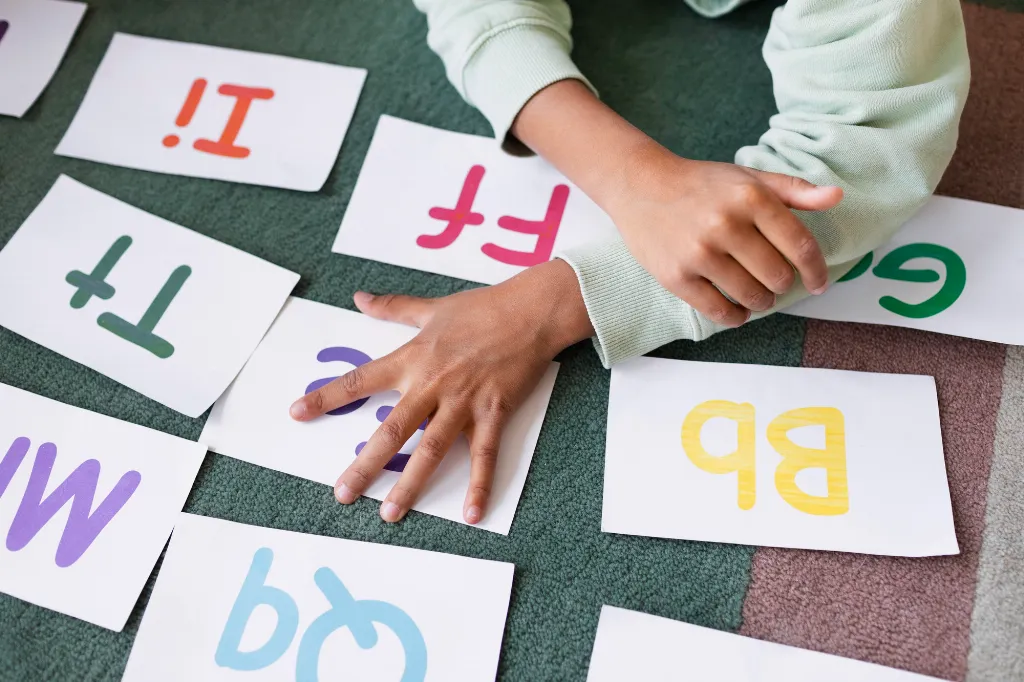
- Use visuals and gestures: picture cards, choice boards, and simple signs reduce frustration and help a child show choices instead of only using words (Classroom language supports).
- Offer low-pressure ways to respond: puppets, whisper-in-ear, pointing choices, or passing a toy microphone.
- Small steps for shy children: pair them with a trusted friend, offer 1:1 warm-up, and celebrate tiny wins like eye contact or one word.
- Watch for delays and refer: if a child loses skills, has almost no words, or shows hearing worries, talk with the family and suggest screening. The CDC offers clear guidance on talking with families and acting early (CDC Watch Me).
Remember: state requirements vary - check your state licensing agency. Work with families and ask about the child’s speech at home before deciding on next steps.
How do we track progress, avoid mistakes, and work with families and specialists?
Good tracking and clear notes make referrals easier and faster. Try this plan:
- 🔹 Observe and record: keep dated notes with exact words the child uses, how often, and who understood them. Short video (with family permission) can be helpful for specialists.
- Make a short checklist: pick 3 things to watch for each week (e.g., #words used, attempts in group, response to name).
- 😊 Share strengths first with families: start the talk with what the child does well, then share facts and examples. Use CDC checklists to guide the talk (CDC).
- When to refer: after trying classroom supports for 4–6 weeks with little change, or immediately if skills were lost or hearing seems poor. Suggest the family contact their pediatrician or early intervention program.
- Common mistakes to avoid:
- ❌ Vague notes (e.g., “not talking”) — ✔️ write exact words and contexts.
- ❌ Pressuring the child to say words — ✔️ model and expand instead.
- ❌ Making supports only for one child — ✔️ use classroom-wide tools so no one feels singled out.
- ❌ Ignoring hearing checks — ✔️ suggest hearing screening if responses to sound are poor.
FAQ (quick answers you can share):
- Q: Should we worry about bilingual kids who are quiet? A: Not usually. Many are learning two systems; support both languages (Supporting Children with Speech Delays).
- Q: How long to try classroom supports before referral? A: Try consistent supports 4–6 weeks and track change, unless signs are urgent.
- Q: Who can help? A: Speech-language pathologists, early intervention, and pediatricians. Your notes help them.
Conclusion
You can make a big difference with small, steady steps. 1) Make the room calm and organized. 2) Use daily talk routines like narrating, pause-and-wait, and Word of the Day. 3) Honor home language and use visuals so quiet or multilingual #children join in. 4) Track clear examples and work gently with #families and specialists when needed. For practical guides and trainings, see ChildCareEd courses such as Language Development in Early Childhood Buy Now $16.00 and articles like Supporting Children with Speech Delays.
You are an important part of each child’s voice. Small changes each day help children speak, play, and learn with joy and confidence. Keep going — your kindness and consistency matter.
- Reducing the Risk of Sudden Infant Death Syndrome
- Adult Only CPR AED and Adult First Aid Blended
- Adult/Child CPR AED and Adult First Aid Blended
- Texas Primary Caregiver Qualification
- Adult First Aid Only - Blended
- Potty Training Made Simple
- CDA Family Child Care Renewal
- 24 Hour Family Child Care Pre-Service Training ONLINE
- Every Moment Matters: Schedules and Transitions
- Everyday Safety: Creating Healthy Environments
- 🩺 Cumplimiento de Salud e Inmunización en Cuidado Infantil de Nevada ✔️
- Cómo Abrir Una Quardería En Casa Sin Dinero?
- Cómo Solicitar una Licencia de Guardería en Texas
- Cómo Iniciar el Proceso de Obtención de la Licencia de Cuidado Infantil
- ¿Cómo solicito la licencia para una guardería en California?
- Lista para Abrir una Guardería en Casa en Dakota del Norte: Cómo Empezar
- Lista para Guardería en Casa en Illinois: Cómo Iniciar una Guardería en el Hogar
- Lista para Guardería en Casa en California: Cómo Iniciar una Guardería en el Hogar
- Apoyo en Preescolar para Retrasos del Habla: Estrategias Simples que Ayudan
- Retraso del Habla en la Guardería: Cómo Pueden Ayudar los Proveedores
- Cómo Trabajar en el Cuidado Infantil en California: Requisitos y Pasos
- What Communication Skills Does Every Childcare Teacher Need?
- How to Help Children Feel Safe and Welcome in Child Care
- How can North Dakota daycares help shy children come out of their shell?
- Starting an Inclusive Daycare for Children with Speech Delays
- How to Create a Speech-Friendly Daycare Environment
- How to Open a Daycare for Children with Speech Delays
- Canciones, juegos y preguntas de círculo para niños
- How Can a Classroom Sound Map Reveal Unexpected Noise Hotspots?
