Hurricane Helene damaged farms, buildings, trees, and community services across Georgia. If you run a child care program, you may be cleaning up broken fences, wet carpet, or a damaged playground while families ask when you will reopen. This guide help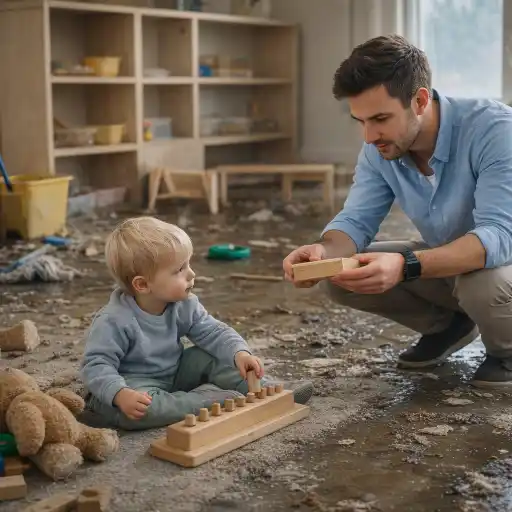 s #Georgia child care #providers take clear steps to assess, clean, repair, and communicate so you can reopen safe, healthy learning spaces for the #children you care for. State requirements vary - check your state licensing agency.
Why should Georgia providers act now?
2. What you gain by acting now (enumerated):
- Less long-term damage from mold and water intrusion.
- Faster return to routine for children, which supports emotional recovery.
- Better documentation for insurance and disaster aid.
3. Where to start: do a safe walk-through and record damage with photos and notes. Use local disaster resources (FEMA and county recovery centers) — FEMA set up recovery centers in past storms to help families and businesses find aid: FEMA recovery centers.
4. Keep families informed and show you are taking steps. Communication reduces fear (see CDC CERC communication guidance: CDC CERC).
How do we assess damage and make buildings safe to reopen?
- 📸 Document everything: photos, date, and quick notes. This helps with insurance and grant applications.
- 🧯 Check structural and electrical safety: if there is major structural damage or exposed wiring, don’t enter — call a qualified inspector or contractor.
- 💧 Water and mold risk: Flooded or water-damaged areas must be dried and cleaned quickly. Follow CDC guidance on reopening buildings after reduced operation to avoid Legionella and other hazards: CDC building reopening guidance. For mold cleanup resources, see the CDC mold page: CDC mold resources.
- 🧪 Lead-safe work: If your building was built before 1978 and you do repairs, follow EPA lead-safe work practices; contractors doing renovations should be RRP-certified or follow the emergency exemption rules carefully: EPA on post-disaster lead-safe work.
- 🔌 Flush and test water systems: After long closures or heavy damage, flush fixtures and follow the CDC water system steps to reduce bacterial risks.
Tip: Write the results of your checks on a single page that staff can read at a glance. If you need help with building re-opening steps or inspections, contact local health or licensing officials and document conversations. State requirements vary - check your state licensing agency.
How can we rebuild classrooms, supplies, and outdoor play safely and affordably?
- 🔧 Prioritize safety repairs first: fix hazards (broken glass, loose handrails, damaged gates). Keep a running repairs list and mark items done.
- 📦 Salvage vs replace: if materials were soaked, decide quickly. Soft toys, porous carpets, and soaked books often keep mold — replace them. Hard surfaces can be cleaned and disinfected following guidance in the ChildCareEd emergency supply and cleaning checklists: ChildCareEd emergency readiness.
- 🛟 Restock Go-Bags and supplies: have classroom Go-Bags with contact lists, medication notes, first aid, water, snacks, and comfort items. ChildCareEd lists what to include and how to maintain kits: ChildCareEd emergency preparedness.
- 🎨 Re-create familiar, calm learning corners: use inexpensive, cleanable materials — plastic bins, wipeable rugs, washable art supplies. Keep routines simple: children thrive on predictable steps after a disaster.
- 🌳 Outdoor spaces: inspect play surfaces and trees; remove debris and unsafe equipment. If major damage exists, close outdoor play until an inspector or parks contractor approves.
Training: refresh staff on emergency procedures and trauma-informed care. ChildCareEd offers courses on emergency and disaster preparedness to help you update plans and staff skills: ChildCareEd preparedness course  Buy Now
 $55.00$45.00. If program budgets are tight, check Save on emergency preparedness training to find discounts and low-cost options that make staff training more affordable: Save on emergency preparedness training. Document repairs, cleaning, and training for licensing, insurance, and parent updates.
How should we communicate, reunify families, and support children after Helene?
Good communication and a clear reunification plan reduce anxiety and speed recovery.
- 📣 Use a crisis communication plan: name who speaks to families and media, and what platforms you will use (phone, text, social media). CDC CERC gives clear guidance on crisis messages and trusted tones: CDC CERC.
- 📍 Plan for reunification: pick primary and backup reunification sites and share them with families. Use the CDC reunification guidance to write simple steps for staff and parents: CDC reunification.
- 📞 Keep contact lists handy: printed copies in Go-Bags plus digital lists. Test your phone tree and an out-of-area contact number in case local lines are down.
- 💬 Support emotional recovery: teach staff simple, comforting phrases and routines. Let children talk, draw, and return slowly to favorite activities. Use trauma-informed tips in ChildCareEd resources: ChildCareEd: prepare for the unexpected.
- 🏥 Use local aid: if families need help, point them to FEMA recovery centers or Red Cross resources — FEMA previously opened recovery centers to help communities access aid: FEMA recovery centers and Red Cross preparedness and recovery pages: Red Cross Make a Plan.
FAQ (quick):
- Q: When can we reopen? A: After safety, water, mold, and licensing checks are complete, consult your licensing agency.
- Q: Who inspects? A: Local building inspectors, health departments, or licensed contractors for major repairs.
- Q: How do we help staff? A: Offer flexible schedules, peer check-ins, and mental health referrals.
Common mistakes and how to avoid them
- ❌ Waiting to document damage — fix: take photos and notes the moment it’s safe.
- ❌ Skipping water-system flushing — fix: follow CDC reopening steps to lower Legionella risk: CDC.
- ❌ Using untrained contractors for pre-1978 buildings — fix: follow EPA lead-safe guidance or use certified contractors: EPA lead-safe.
Why this matters: Your choices now affect children’s health and the long-term viability of your program. Acting quickly and using the right guidance helps you reopen safely, support families, and rebuild trust. Remember: you are part of a larger recovery — reach out to local partners, document your steps, and keep families informed.
Conclusion
1. Quick checklist to keep visible:
- Document damage, call inspectors for big issues.
- Follow CDC steps for water and mold, and EPA rules for lead-safe repairs.
- Restock Go-Bags and update staff training (ChildCareEd has course options).
- Share clear reunification and communication plans with families and local responders.
2. Helpful links you can share with your team right now:
Take a breath. Move step-by-step. Your work to repair safe learning spaces matters to children, families, and your whole #Georgia community. If you need a starting point, ChildCareEd courses and checklists can help your staff rebuild confidence and skills: the ChildCareEd preparedness course Buy Now $55.00$45.00.
- 45 Hour Child Growth and Development
- CDA Preschool Credential with Portfolio Review
- CDA Family Child Care Credential with Portfolio Review
- CDA Infant/Toddler Credential with Portfolio Review
- 45 Hour School Age Methods and Materials
- CDA Bridge Bundle: Family Child Care
- Texas Director Credential
- FCCLH Pre-Service Course
- 📊¿Cómo puedo hacer un seguimiento de la capacitación de mi personal en GAPDS como proveedor?✨
- 🍑 ¿Qué capacitación requiere DECAL cada año para el personal de cuidado infantil en Georgia?
- Qué capacitación se requiere para ser director de cuidado infantil en Georgia?
- Recursos en Español sobre el Sueño Seguro del Bebé
- Capacitación en Salud y Seguridad Preventiva en Línea para Proveedores de Cuidado Infantil
- Cómo Iniciar el Proceso de Obtención de la Licencia de Cuidado Infantil
- Normas de Licenciamiento de Cuidado Infantil en Virginia para Centros Diurnos Infantiles y Hogares Diurnos Familiares
- Proporciones de Cuidado Infantil y Tamaños de Grupo por Edad en Maryland (Guía Rápida para Centros y Hogares)
- Proporciones de Cuidado Infantil y Tamaños de Grupo por Edad en Virginia (Guía Rápida para Centros y Hogares)
- Lista para Abrir una Guardería en Casa en Georgia: Cómo Empezar
- Cómo Trabajar en el Cuidado Infantil en Georgia: Requisitos y Pasos
- Cómo Trabajar en el Cuidado Infantil en Wisconsin: Requisitos y Pasos
- Cómo Ser Maestra de Preescolar en Georgia
- Capacitación Previa al Servicio para Proveedores de Cuidado Infantil en Illinois
- Capacitación Previa al Servicio para Proveedores de Cuidado Infantil en Georgia
- Requisitos para Guarderías en Casa en Georgia
- Capacitación CDA gratuita en Illinois
- Canciones, juegos y preguntas de círculo para niños
- Cómo simplificar la capacitación para sus empleados de daycare
- How Can Georgia Providers Rebuild Safe Learning Spaces After Hurricane Helene?
