Why STEAM Matters for Young Children
STEAM stands for Science, Technology, Engineering, Arts, and Math. Even very young children are full of curiosity and love to explore the world around them. When #preschoolers #play, ask questions, and try new things, they are learning STEAM skills without even realizing it. These experiences help children grow their thinking skills, develop creativity, and learn to solve problems. STEAM activities can be simple and fun — and they work great with everyday materials you may already have at home or school.
In this article, you’ll discover practical activities, tips for success, and helpful resources that make STEAM play easy and meaningful for preschoolers.
What Materials Can You Use for STEAM Activities? 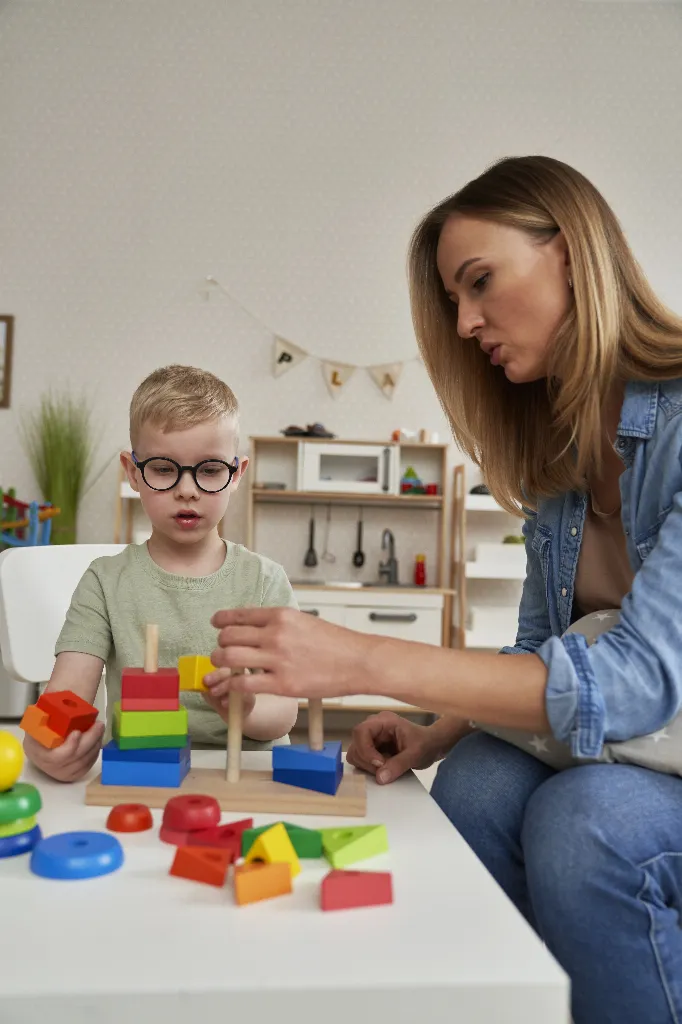
You don’t need fancy kits or expensive supplies to do STEAM with young children. Everyday items work perfectly! Here are some simple materials you can use:
- Cardboard boxes and tubes
- Plastic cups and plates
- Recycled bottles and containers
- Water and food coloring
- Droppers or eye droppers
- Paper towels or napkins
- Salt, sugar, baking soda and vinegar
- Stickers, crayons, and markers
These items are easy to find around the classroom or at home. Using common materials helps children see that learning is part of everyday life — not just something that happens in books. #STEAM #EarlyLearning #PreschoolScience
How Can I Start a STEAM Activity?
Starting a STEAM activity with preschoolers can be easy if you follow a simple #plan:
- Let Children Explore First
Place the materials in front of the children and let them touch, move, and explore. Ask a few open-ended questions like:
- “What do you think will happen?”
- “What do you notice?”
- Make Predictions Together
Encourage them to guess what might happen when materials are mixed, dropped, or stacked. This builds #criticalthinking. - Try It Out
Let children test their ideas. Sometimes their predictions are right — sometimes they surprise us! Both outcomes are learning moments. - Talk About What Happened
Ask children to explain what they saw. This strengthens language skills and helps them think deeply about the activity.
Fun STEAM Activities With Everyday Materials
Here are easy STEAM activities that preschoolers love:
Floating or Sinking Fun
What you need: a bowl of water, small toys, bottle caps, sponge pieces, and rocks.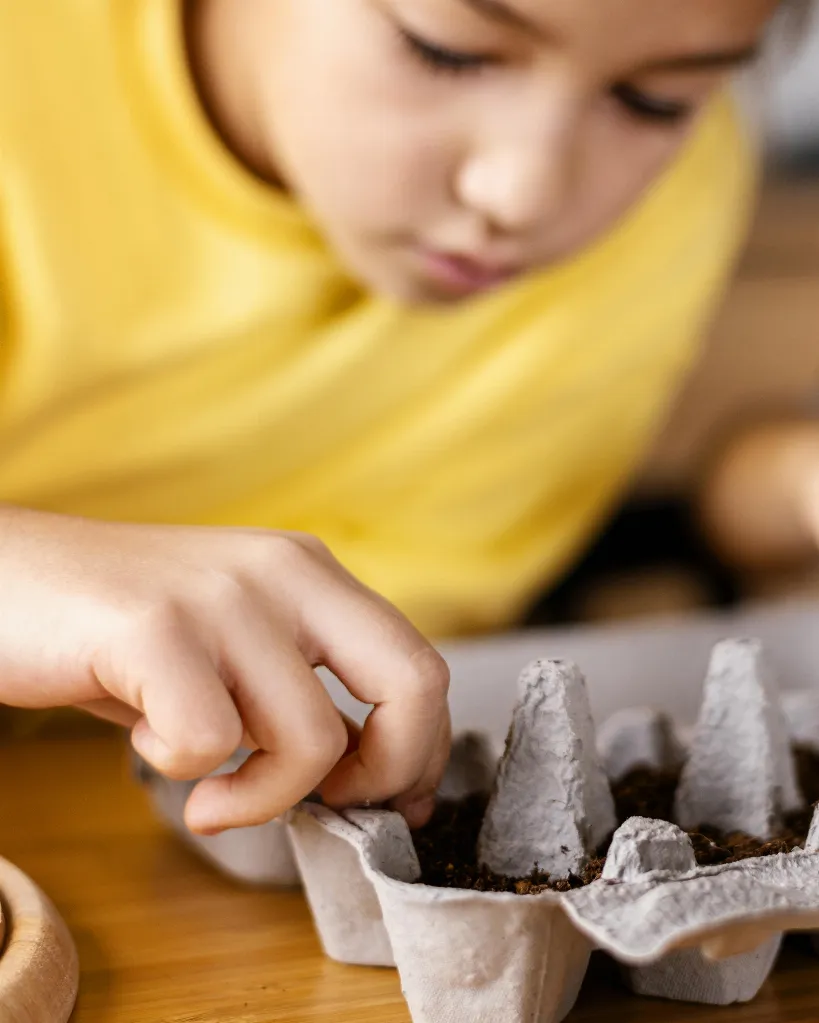
What to do:
- Ask children to guess which items will float or sink.
- Drop the items into water and watch what happens.
Learning Ideas:
- Talk about why some things float and others sink.
- Count how many items sank and how many floated.
This activity builds early science skills like observation and prediction.
Color Mixing with Water
What you need: clear cups, water, food coloring, and droppers.
What to do:
- Fill cups with water and add different food colors.
- Use droppers to mix colors and watch new hues form.
Learning Ideas:
- Encourage kids to name the colors they see.
- Ask: “What if we mix blue and yellow?”
This activity mixes science and art — a great #STEAM blend.
Paper Towel #Engineering Challenge
What you need: paper towels, water, and food coloring.
What to do:
- Place cups in a row and add colored water to every other cup.
- Connect the cups with folded paper towels.
- Watch as the water climbs the paper towels and creates new colors.
Learning Ideas:
- Talk about how water moves through the paper towel.
- Ask children why they think the colors change.
This simple setup introduces basic engineering and science ideas — all with paper towels!
Building With Recycled Boxes
What you need: small boxes, tape, and markers.
What to do:
- Help children build towers, houses, or bridges with boxes.
- Let them decorate their creations with markers.
Learning Ideas:
- Ask: “How tall can your tower stand before it #falls?”
- Let kids test and rebuild to make it stronger.
This activity fits engineering and art into #playful building time. 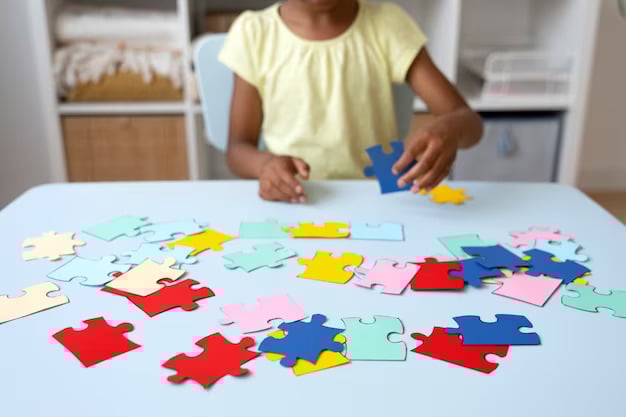
Tips for STEAM Success With Preschoolers
Keep It Simple
Choose activities with few steps and simple goals so children can focus on exploration.
Encourage Questions
Help children ask “why” and “how” questions to grow curiosity.
Celebrate Mistakes
Let kids know that mistakes are part of learning and discovery.
Connect to Real Life
Talk about how STEAM appears in daily life. For example, machines help in the kitchen, rainbows form after rain, and bridges help us cross streams.
Where Can I Learn More About STEAM for Preschool?
ChildCareEd offers courses that help #educators and caregivers build strong STEAM learning experiences:
-
Moving About the Classroom
 Buy Now $24.00: Effective Transitions for Everyday — Learn how #math can become playful and meaningful for young learners.
 - Open Heart, Open Art Buy Now $16.00 — Strengthen art skills that support creativity in STEAM play.
These courses help teachers and caregivers feel confident bringing STEAM into their programs.
Helpful Resources From ChildCareEd
Want even more ideas? Check out this thoughtful overview to help you understand how STEAM plays out in early childhood settings:
- STEAM in Early Childhood Education — This article shares why STEAM matters for young learners and offers inspiration for your classroom or home.
What Is a Related ChildCareEd Article to Read Next?
For more ideas and inspiration, read this related ChildCareEd article:
This article shares easy ways to keep young learners curious and excited about STEM concepts.
Stay Connected for More STEAM Ideas!
For regular creative ideas and activity inspiration from ChildCareEd, follow us on social media.
👉 Follow us on Instagram:
We post quick activities, classroom tips, and more STEAM fun! 📱
Final Thoughts
STEAM activities don’t need special supplies or complicated plans. Using everyday materials, you can invite preschoolers to explore, imagine, and discover. These playful moments teach more than just facts — they help children learn to think, question, and solve problems — skills they’ll use for life. Start small, have fun, and watch your little learners grow through play!
- Lesson Planning for Preschoolers
- CDA Subject Area 2
- 24 Hour Texas Pre-Service
- Art from the Heart for Preschoolers: Open Ended Art Projects that Build Self-Esteem
- Emergent Learning & Development
- 45-Hour Infant and Toddler Curriculum
- Building Vocabulary
- CDA: Stand With Respect and Professionalism
- Montessori Cultural Activities: Exploring the World Through Play and Learning
- Enhancing STEM Education for Infants and Toddlers
- Preschool Curriculum for Educators to Choose
- Creating Your Own Galaxies
- Ice Cream and Asteroids!
- Actividades de Motricidad Gruesa que Desarrollan el Equilibrio, la Coordinación y la Fuerza
- Easy Ways to Add STEM to Your Preschool Classroom
- Creative Daycare Activities to Help Children Learn and Grow
- How can I use STEM activities in my Preschool and Pre-K classroom?
- Calabazas, hojas y manzanas: actividades de otoño para preescolares
- How can child care providers use simple STEM activities with early learners?
- How can we help children reach new heights—from the Space Needle to the preschool classroom?
- Open-Ended Preschool Activities for Creativity, Language, and Social Skills
- How can child care providers teach hands-on STEAM with everyday materials?
- How Can I Use Everyday Materials for Meaningful STEM Exploration in My Preschool Classroom?
- How Can Child Care Programs Use Easy Nature‑Based Activities for Every Season?
- STEM for Preschoolers: Fun Activities That Encourage Curiosity
- Can You Build a Leaf Bridge? Fall STEM Challenges for Pre-K
- How Can STEM Activities Turn Everyday Preschool Play Into Powerful Learning?
- What Can Hot vs. Cold Sorting Teach Preschoolers About Safety?
- How Can Preschool Sorting Activities Teach Temperature Concepts Safely?
