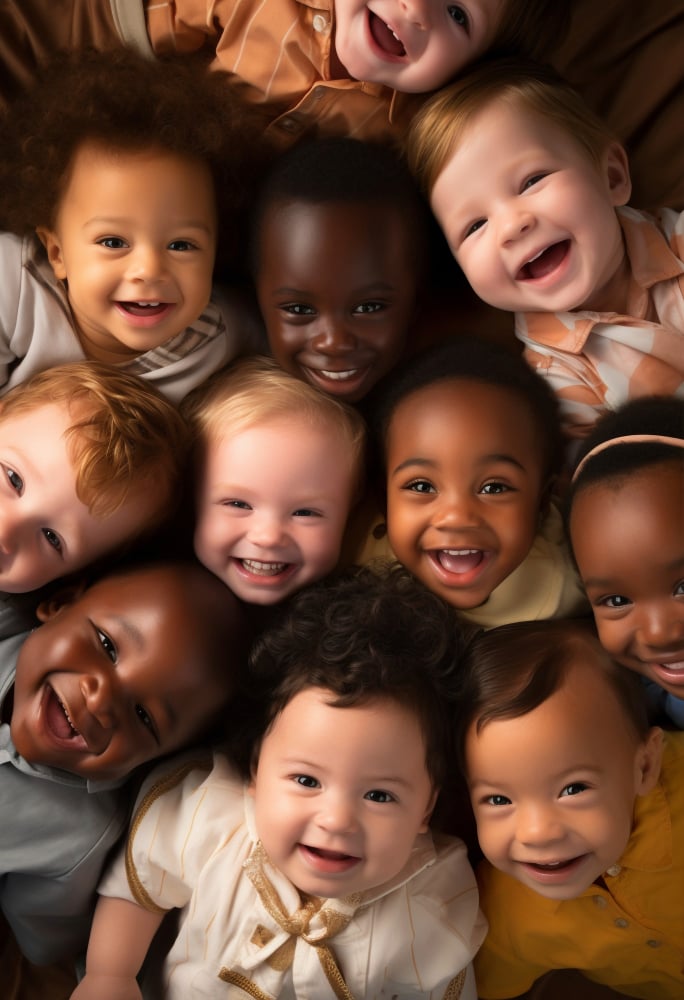
 If you need simple, age-appropriate ideas for Black History Month, use this free ChildCareEd resource as your starting point. It includes activity inspiration that works well for Toddlers through Early Elementary (Ages 2–8), with an inclusive focus that fits child care, preschool, and early grades.
✅ Free resource (activity ideas): Black History Month Activity for Kids Buy Now $0.00
❓ What are the best Black History Month activities for kids in child care and preschool?
The best activities for young children are the ones that are:
-
Hands-on (kids learn by doing)
-
Positive and respectful
-
Connected to real life (friends, families, helpers, fairness)
-
Simple to repeat (so kids remember the message)
A strong Black History Month plan for ages 2–8 usually includes:
-
Art that celebrates identity
-
Stories that show Black families and leaders
-
Music and movement that build joy and connection
-
Kindness and community activities that teach fairness and respect
These ideas also work well for non-native English speakers because they use visuals, routines, and simple words. #BlackHistoryMonth
🗣️ How do you explain Black History Month to children (without long lessons)?
Keep your message short and clear. You can say:
-
This month we celebrate Black people and what they have done.
-
We practice being kind and fair.
-
We learn that everyone belongs in our classroom.
You do not need big speeches. Children learn the message through the activities you choose and how you treat people every day.
🎨 What are easy Black History Month activity ideas you can do right away?
Here are classroom-friendly ideas that fit busy schedules and mixed ages.
🎨 Art + Identity
-
Self-portraits with mirrors: Offer many skin-tone crayons/paint.
-
Skin tone color mixing: Mix paints to create many shades.
-
“All About Me” pages: Draw family, favorite foods, and favorite things.
The free ChildCareEd resource includes a fun activity approach that explores skin tones through art and self-portraits in a respectful way.
📚 Books + Picture Walk
-
Do a “picture walk” first (look at pictures, name what you notice).
-
Choose books that show Black children, families, and community life.
-
Keep questions simple:
-
What do you see?
-
How do they feel?
-
What is a kind choice?
-
🎵 Music + Movement
-
Use rhythm instruments (shakers, drums, tapping patterns).
-
Do a “movement museum” (march, stretch, sway, freeze).
-
Connect movement to classroom values: calm body, kind hands, fair turns.
🤝 Community + Helping
-
Make thank-you cards for helpers (school, center, or community).
-
Do a class “service moment” (help clean shelves, organize books, tidy a play area).
-
Create a paper “kindness chain” (one link = one kind act).
👶👧👦 How do you adapt Black History Month activities by age?
Use the same theme, but adjust the time, tools, and expectations.
🧸 Ages 2–3 (Toddlers)
Keep activities very short (3–7 minutes). Focus on simple words and simple actions.
-
Use photos and board books with real-life images
-
Do handprint art or sticker collages
-
Practice key words: kind, help, friend, gentle
Good toddler activity:
A class collage with hearts, handprints, and photos of children playing together.
🖍️ Ages 3–5 (Preschool / Pre-K)
Keep it hands-on (8–15 minutes) and connect it to classroom routines.
-
Self-portraits + skin-tone mixing
-
Feelings check-in with picture cards
-
Kindness jobs (helper of the day, clean-up team)
Good preschool activity:
A “Our Classroom Belongs” wall with children’s self-portraits and kind acts they choose.
📘 Ages 6–8 (Early Elementary)
Add a bit more reflection (10–20 minutes) and give children leadership roles.
-
Write 1–2 sentences about a kind/fair choice
-
Make a “community helpers” poster with facts and drawings
-
Let children plan a small class service project
Good ages 6–8 activity:
A “Kindness Plan” poster: children list ways to help others at school and at home.
✅ What makes a Black History Month plan feel respectful and inclusive?
Use this quick checklist when planning activities:
-
✅ Children see Black families and children in books and visuals
-
✅ Activities celebrate identity without stereotypes
-
✅ The message is positive: belonging, kindness, fairness
-
✅ You include many roles (leaders, artists, helpers, families)
-
✅ You keep learning going beyond one month
If you want one easy starting point, the free ChildCareEd resource is designed to give you activity ideas that fit young learners.
🚫 What should teachers avoid when planning Black History Month activities for kids?
A few common mistakes can make lessons less helpful.
Try to avoid:
-
Only teaching about one kind of Black person (like only athletes)
-
Activities that feel like stereotypes
-
Waiting until February to show Black stories and families
-
Making the month feel sad or scary for young children
Instead, aim for:
-
Everyday examples of fairness (turn-taking, inclusion, kind words)
-
Books and materials that show many types of people
-
Activities that build community and respect #EarlyChildhoodEducation
🌍 How can teachers support inclusion all year (not just in February)?
Black History Month works best when your classroom already has a strong message: everyone belongs.
Simple ways to continue all year:
-
Rotate classroom books so children see many cultures and families
-
Offer art materials with many skin tones (crayons, paper, paint)
-
Display photos that reflect real families and real communities
-
Model respectful language when children notice differences
If staff want more support, training can help teachers feel confident and consistent.
🎓 Which ChildCareEd training courses support inclusive teaching?
These courses connect directly to building inclusive classrooms and improving how we teach and communicate:
These are helpful if your team wants practical strategies for inclusion, classroom climate, and family communication.
📰 Want more ChildCareEd ideas for Black History Month?
Here’s one related ChildCareEd article you can share with your staff for more context and planning support:
📲 Follow ChildCareEd for more free classroom ideas
- Instagram: https://www.instagram.com/childcareed/
- Labor Day Activities
- Celebrate Juneteenth in Baltimore
- 🥦✨ ¿Cómo apoyar a los niños selectivos a probar nuevos alimentos sin presión?
- ¿Cuáles son las mejores actividades del Día de la Tierra para niños en casa o en el aula?
- ¿Cómo puedo usar escenarios de juego de roles de primeros auxilios en mi aula?
- ¿Cómo puedo enseñar habilidades de primeros auxilios con escenarios de juego de roles?
- ¿Cómo afecta la dopamina a los niños: señales, efectos e influencias diarias?
- Actividades de Motricidad Gruesa que Desarrollan el Equilibrio, la Coordinación y la Fuerza
- Actividades de Fiesta para Niños de Preescolar y Primaria
- Cómo Celebrar el Día Nacional del Kindergarten
- Actividades de Otoño Fáciles para Preescolares esta Temporada
- Cómo Trabajar en el Cuidado Infantil en Wisconsin: Requisitos y Pasos
- Calabazas, hojas y manzanas: actividades de otoño para preescolares
- How Can You Celebrate Black Culture and Music Effectively in Your Program?
- How can I teach Black history to young children year-round?
- How Can Early Childhood Programs Introduce Juneteenth in Developmentally Appropriate Ways?
- How Can Child Care Programs Celebrate Juneteenth Through Respectful, Child-Centered Art?
- How Can Coloring Pages Spark Meaningful Historical Conversations About Juneteenth?
- How Can Meaningful Juneteenth Vocabulary Support Early Writers?
- How Can Drawing and Dictation Help Children Respond to Juneteenth?
