Want a simple, sustainable strategy to boost young children's self-worth and classroom functioning? Giving children regular, age-appropriate responsibilities creates repeated opportunities for mastery that strengthen both #confidence and #independence. For a practical next step, explore Supporting Children's Independence  Buy Now $24.00 and consider pairing it with Student Success: Expectations & Independence Buy Now $16.00 — both offer actionable techniques you can apply immediately to earn training hours and improve classroom practices.
How do everyday responsibilities build confidence in young children?
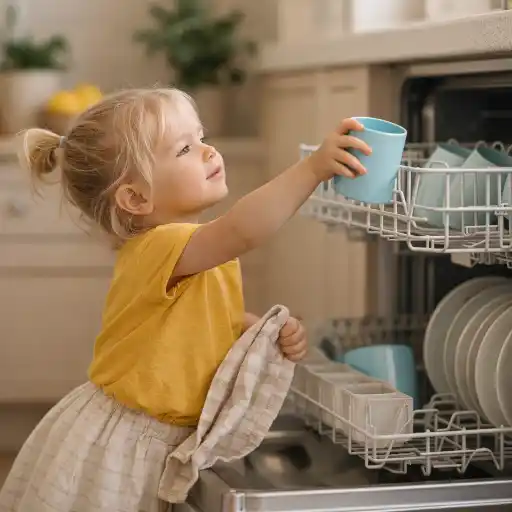
When children repeatedly complete predictable tasks they internalize a narrative of competence: "I can do this." Tasks such as setting a plate, watering a plant, or returning materials give frequent, observable successes that build self-efficacy. These small wins support executive function (planning, sequencing, self-monitoring) and social-emotional growth by linking effort to outcome. Embedding responsibilities in routines converts ordinary moments into learning episodes that foster problem-solving, persistence, and pride.
Why it matters: children who practice self-help and feel trusted by adults are more likely to take safe risks, participate in group activities, and sustain attention during learning. For program leaders, intentional responsibility systems reduce friction in transitions and free staff to coach higher-level learning. Practical coursework, like Supporting Children's Independence Buy Now $24.00, offers strategies to scaffold responsibilities across ages and document progress for families and licensing reviews.
Which everyday responsibilities work best and how should we introduce them?
Pick tasks that are real, short, and visible. Aim for 3–6 routines or jobs that children can practice daily and rotate responsibilities so every child experiences success. Examples that scale by age include:
- Infants/toddlers: carrying a washcloth, returning a single toy, choosing between two books.
- Preschoolers: pouring a small drink, placing a plate at the snack table, being a line helper.
- Pre-K: setting nap mats, passing out materials, checking the recycling bin.
Practical tips for introducing tasks:
- Demonstrate slowly at child-level and break the task into 2–4 pictured steps.
- 🔹 Use a consistent cue (song, chime, visual card) to start the job so children anticipate the expectation.
- Offer only two choices when possible to reduce overwhelm and build decision-making.
- Rotate roles weekly so children experience different strengths and responsibilities.
These approaches align with Montessori-inspired prepared environments; see courses like The Montessori Classroom: Theory to Practice Buy Now $25.00 and The Prepared Environment: Montessori Class Design Buy Now $16.00 for ideas about child-sized tools and work presentation. If you work with mixed-age groupings, consider the course Montessori Essentials: Mixed-Age Mastery for practical strategies to organize multi-age cycles, promote peer mentoring, and adapt responsibilities across developmental levels. For a concise overview of Montessori philosophy and its emphasis on child-centered independence, see the Montessori child-centered approach.
How can classroom design and routines support daily responsibility practice?
An environment that invites work is predictable, accessible, and attractive. Shelving at child height, labeled bins, sample work laid out on trays, and low hooks all reduce adult prompts and increase independent attempts. Visual schedules and step cards turn multi-step tasks into manageable milestones that children can self-check.
Program-level systems matter too: a simple jobs chart or pocket chart with photos maintains rotation without teacher memory load; short practice windows (3–7 minutes) repeated across the day beat long lessons. For deeper design strategies that build community and sustain equitable access to responsibilities, consult learning on how to design inclusive spaces as part of Creating Environments That Nurture Growth and Community Buy Now $55.00 and practical ideas in Spicing Up the Classroom: Learning Centers Buy Now $16.00.
Note: state requirements vary - check your state licensing agency when you change room setup or formalize job systems.
How should teachers scaffold, respond to mistakes, and avoid common pitfalls?
Scaffolding is deliberate and temporary. Start by modeling one step, prompt once, then step back. Use specific, process-focused praise — e.g., "You buttoned three buttons — you kept trying!" — to reinforce effort rather than fixed traits. When errors occur, treat them as data: slow the pace, reduce steps, or change tools.
Common mistakes and fixes:
- Doing the task for the child when they could try — pause, offer one prompt, then wait.
- Too many choices — limit to two and scaffold decision-making with visuals.
- Sessions that are too long — keep practice short and frequent to maintain attention.
- Vague praise — name the action and the strategy used to reinforce a growth orientation.
- Ignoring feelings during struggle — co-regulate first (breathe, validate), then re-introduce a tiny step.
Document attempts and adjust expectations to each child’s developmental level. Training such as Student Success: Expectations & Independence Buy Now $16.00 helps teams set age-appropriate targets and consistent language across staff.
How do we measure progress, involve families, and sustain momentum?
Use observation-based notes and simple rubrics: can the child complete X of Y steps independently? Track attempts, prompts needed, and affect during the task. Short video clips or photos (with family permission) are powerful documentation to celebrate growth with caregivers. Share one or two suggested home responsibilities that mirror classroom jobs so learning transfers across settings.
Engaging families: communicate the rationale (skill building, #responsibility, confidence), provide a one-page checklist, and invite families to share culturally relevant tasks their child helps with at home. Coordinated expectations between home and program amplify practice and reduce mixed messages.
Program sustainability: rotate responsibilities, celebrate successes (job certificates, circle-time shout-outs), and use staff meetings to review data and refine roles. If you want a structured pathway to implement systems and earn CEUs, consider enrolling in Supporting Children's Independence Buy Now $24.00 and follow-up courses that focus on environment and lesson planning.
Conclusion
Everyday responsibilities are low-cost, high-impact levers for building #confidence in young children. By selecting brief, meaningful tasks, preparing a child-friendly environment, scaffolding intentionally, and partnering with families, programs can create predictable opportunities for mastery that scale into lifelong skills. If your goal is to help children become capable, proud, and ready for group learning, start small: pick one routine this week, document attempts, and celebrate progress. For practical course-based guidance you can apply immediately, explore Supporting Children's Independence Buy Now $24.00 and The Montessori Classroom: Theory to Practice Buy Now $25.00 to deepen staff practice and earn continuing education hours.
FAQ
- Q: How long before I see results? A: Small wins often appear in days; consistent habits show in weeks.
- Q: What if a child refuses a job? A: Offer a two-choice alternative, provide a peer model, and try again later.
- Q: How many jobs should my classroom have? A: Enough to engage half the class at a time (or rotate daily) so choices stay manageable.
- Q: Can responsibilities be adapted for children with special needs? A: Yes — break tasks into smaller steps and use adaptations; training on inclusive environments can help.
- Q: Where can staff get help designing job charts? A: See course resources like Creating Environments That Nurture Growth and Community Buy Now $55.00 for templates and strategies.
Five words to remember while you implement: #confidence #independence #responsibility #preschoolers #routines. state requirements vary - check your state licensing agency.
- Conduct Disorders in Early Childhood
- CDA Home Visitor Subject Area 3 Part 3 Birth to 5
- Teacher-Child Interactions for Stronger CLASS® Outcomes
- CDA Home Visitor Subject Area 2 Part 3 Birth to 5
- CDA: Special Needs: Understanding the Whole Child
- Emergent Learning & Development
- Access for All: Inclusion and the ADA
- Environments That Inspire Independence and Exploration
- Supporting Children's Independence
- Pediatric First Aid and CPR Training with ChildCareEd - Empower Yourself!!
- CDA Certification en Español: Recursos y Consejos para Educadores Bilingües
- Cómo Crear Tu Portafolio CDA Paso a Paso
- Cómo Trabajar en el Cuidado Infantil en Carolina del Norte: Requisitos y Pasos
- What simple work ethics can Oklahoma child care providers use today?
- Celebrando la amistad en el cuidado infantil durante el Día de los Mejores Amigos
- How can early childhood programs build a culture of safety?
- What Are Our Ethical Responsibilities in Childcare?
- Can Everyday Responsibilities Help Children Develop Confidence?
- Childcare Skills for Resume: Turn Everyday Classroom Tasks Into Strong Bullet Points
- Ready to Move Up? How You Can Go From Lead Teacher to Assistant Director
- How Can Child Care Providers Respect Different Family Structures?
- How Can We Celebrate Every Family and Create a Classroom Where Everyone Is Represented?
- How Can Child Care Providers Teach Preschoolers to Wait Their Turn?
- How Do Classroom Jobs Build Responsibility and Confidence in Toddlers?
- How Can Child Care Providers Teach Children to Choose Clothing for Weather and Activities?
- How Can Child Care Providers Continue Growing Professionally Without Leaving the Classroom?
- How Can Montessori Field Trips Support Independence While Keeping Children Safe?
- How Can You Choose Classroom Jobs a Toddler Is Ready to Try?
- What Are Developmentally Appropriate Ways to Teach Classroom Responsibilities?
