Demand for Special Education Teachers in Child Care
Research shows that early intervention with high-quality services can be the turning point that can define a child's developmental track. Children with possible developmental delays benefit by showing marked improvement in many different areas of development. Ever since former President Barak Obama's challenge to Congress to expand access to high-quality preschools to all children back in 2013, early childhood educators with special education experience and backgrounds have been highly sought, and the demand is still growing. If you are ready to respond, courses such as Including All Children and the Americans with Disabilities Act Buy Now $35.00 and CDA Infants/Toddlers: Individualized Learning and Inclusion  Buy Now $16.00 can help you build the required skills. Can you take advantage of that demand today?
Why is demand for early childhood special education teachers growing?
The prevalence of identified developmental disabilities and the emphasis on early intervention have driven demand for professionals with both early childhood and special education expertise. National analyses document pronounced shortages of special education teachers and highlight recruitment and retention challenges in settings serving high proportions of students from low-income and rural communities. These workforce trends increase the need for early childhood practitioners who can identify concerns, partner with families, and implement individualized supports (Indiana University policy brief).
What core skills and training do early childhood educators need to work with children with special needs?
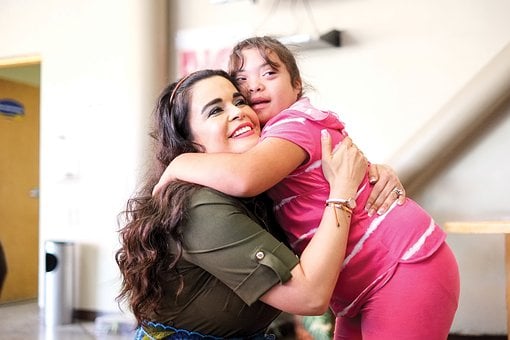 Key competencies include developmental screening, designing individualized learning supports, behavior strategies grounded in positive guidance, family-centered communication, and effective documentation for referrals. Structured coursework and guided practice help build these skills. ChildCareEd courses that map to these topics include CDA: Special Needs: Understanding the Whole Child Buy Now $24.00 and the ADA-focused course already cited in the introduction. For provider teams, consistent in-service training reduces caseload pressure and improves outcomes; historical data show shortages increase classroom and caseload pressures, reinforcing why training access matters for program quality (report on shortages and classroom pressures).
Recommended learning objectives for staff development:
- Recognize early signs of developmental delay and complete basic screening referrals.
- Use individualized strategies for communication, sensory needs, and adapted play.
- Collaborate with families and outside specialists, documenting progress and adjustments.
- Adapt the classroom environment to support inclusion and access for a range of abilities.
- Collect and interpret observational data to inform tiered supports and referrals.
For practical classroom strategies and topic-level drills, see related ChildCareEd articles such as Child Development Training and What Makes Me Special: An Overview of Autism and ADHD.
How can child care programs implement inclusive practices and early intervention?
Programs can operationalize inclusion through universal design for learning, classroom-level adaptations, and team-based problem solving. Practical steps include routine developmental surveillance, embedding targeted interventions into daily routines, differentiating materials for multiple access levels, and training staff to use positive behavior supports. Use data from routine observation to set measurable goals and schedule periodic team reviews with families and specialists.
How can I advance my career and which certifications help?
For many early childhood professionals, targeted credentials and certificates strengthen both practice and employability. The Child Development Associate (CDA) credential and related continuing-education pathways are commonly recommended; ChildCareEd offers courses that support the knowledge areas emphasized by CDA programs. For context on how the CDA supports program quality and career mobility, see The CDA and Helping Children Thrive and The Golden Ticket: CDA Certification.
How can I take immediate, practical steps to enter or advance in early childhood special education?
Many early childhood professionals benefit from a short, structured plan that converts interest into verifiable competence. Below is a practical five-part pathway you can complete or adapt to your setting; each step is action-oriented, can be documented for your professional file, and aligns with workforce demands documented in national analyses (see the Indiana University policy brief on shortages and retention linked earlier).
- Map your current qualifications and role responsibilities. List your current credential(s), age-group experience, and any specialized training. Note the paperwork your employer requires for role changes (e.g., classroom lead, inclusion support). This creates a baseline you can share with supervisors and with licensing or registry staff when you verify credit eligibility.
- Create a prioritized training plan. Choose 3–6 short courses or modules that address screening, positive behavior supports, family-centered communication, and individualized planning. Sequence them so you can apply one learning objective at a time—begin with basic developmental screening and documentation, then add classroom adaptations and behavior strategies. Track course titles, completion dates, and certificate IDs in a single training log.
- Get supervised practice and feedback. Arrange a short, focused coaching period: invite a mentor, director, or special educator to observe one routine (mealtime, circle, free play) and provide written feedback linked to one learning objective. Document the observation, the feedback, and specific adjustments you made. This evidence strengthens job applications and can support registry or employer recognition.
- Document and verify training for registry or employer acceptance. For each completed course or coaching session, save certificates and create a 1–2 paragraph reflection that ties the learning to classroom practice and child outcomes (what you tried, what changed, next steps). When possible, confirm with your state registry or licensing specialist whether the course or reflection format meets local continuing education rules before you submit for credit.
- Build connections and a short-term portfolio. Compile 2–3 short case summaries (anonymized) showing screening, targeted supports, and progress monitoring. Use these examples in interviews or when requesting role changes. Join a local professional network or mentoring group to sustain practice improvements and to learn about openings where special-education competencies are in demand.
Implementation tips: set a 90-day window for the first two steps, then schedule monthly check-ins with your mentor or supervisor. These focused activities respond directly to the workforce pressures documented in the literature and help translate coursework into measurable classroom change (see the Indiana University policy brief for context: The Need for Targeted Recruitment and Retention for Special Education Teachers).
If you work in Indiana, verify which trainings and documentation formats your state registry or licensing office will accept: check the Indiana Family and Social Services Administration (Office of Early Childhood and Out-of-School Learning) or consult your state licensing specialist to confirm registry credit or license‑related acceptance before submitting coursework.
What are the key takeaways and next steps?
Demand for early childhood professionals with special education competencies is sustained. Investing in developmental screening, individualized supports, positive behavior strategies, and family-centered partnerships improves child outcomes and strengthens your employability. Use ChildCareEd's self-paced courses to build specific skills and document completions for employers or your state registry; confirm acceptability with your state licensing agency or registry before submitting credits. For practical implementation, review related articles such as building strong communication and how the CDA helps preschools succeed.
What is the bottom line?
Early-childhood special education competencies are in steady demand; prioritize screening, family-centered supports, positive behavior strategies, and documented practice changes. Start with two focused ChildCareEd courses and a brief coaching cycle, document outcomes, and confirm acceptance with your registry or licensing specialist to translate learning into verifiable competence for employers.
Immediate next steps: 1) Enroll in one screening-focused course and one classroom coaching activity; 2) Document course certificates and a short reflection tying learning to practice; 3) Request a 90-day follow-up with your supervisor to review evidence of changed practice. These steps convert training into verifiable competence for employers and registries. #inclusion #specialeducation #earlyintervention #CDA #childdevelopment
- CDA Family Child Care Credential
- From Play to Planning: Building Culturally Competent, Child-Centered Curriculum
- Tracking Progress, Shaping Futures: Observation & Assessment Skills
- CDA Bridge Bundle: Family Child Care without Portfolio Review
- CDA Bridge Bundle: Infant/Toddler without Portfolio Review
- CDA Bridge Bundle: Preschool without Portfolio Review
- Emergent Learning & Development
- Texas Director Credential
- Every Moment Matters: Schedules and Transitions
- Preschool Assessments & Observations
- Super Special School Agers
- Daycare Near Me: A Parent's Necessity
- From Challenges to Triumphs: Strategies for Childcare Educators in New York
- What Makes Me Special: An Overview of Autism and ADHD
- Bright Futures: Why CDA Certification is the Career Glow-Up You Need in 2025
- Increasing Fine Motor Skills in the Early Childhood Education Classroom
- CDA Certification en Español: Recursos y Consejos para Educadores Bilingües
- Get Your Child Care Certification Online – Even on a Budget.
- The Future is Flexible: Online Childcare Certificates and Early Childhood Education
- ADA Training Online in Nevada: Requirements, Access, and Inclusion
- Special Needs Training for Early Childhood Educators: Which Course Should You Take?
- What Is the CDA Credential, and How Can Child Care Professionals Earn It?
- How Can You Link a Preschool Learning Center to a Clear Teaching Goal?
