Students will be able to compare different listening and responsive techniques
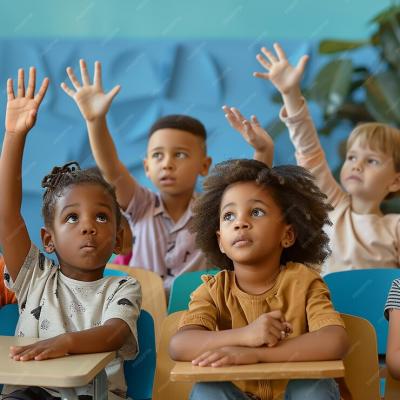
Compare different listening and responsive techniques to recognize the importance of demonstrating respect for the diversity of all children and youth and families' culture, language, and religion. Enhance your early childhood education and child care center knowledge with anti-bias and cultural responsiveness techniques.Trainings incorporating this outcome
45 hours courses
 4.5 CEUs
 online

4.5/5

Related Outcomes
- Demonstrate appropriate caregiver responses to different infant/toddler temperaments.
- Participants will be able to demonstrate an understanding of how to create a natural outdoor environment that includes different colors, sounds, textures, and scents
- Students will be able to distinguish ways to translate complaints and criticisms into requests
- Recognize the importance of demonstrating respect for the diversity of all children and youth and families’ culture, language, and religion in all interactions (anti-bias and cultural responsiveness techniques).
- Describe the types of emergency response and situations that warrant each response.
- Demonstrate an understanding of student centered learning environments
- Demonstrate an understanding of classroom capacity, staff to student ratio, and regulations for outdoor play space
- Demonstrate understanding of effective listening skills in childcare.
- Identify optimal room arrangements by comparing multiple childcare settings.
- Demonstrate an understanding of observational techniques that result in accurate and objective observation
- Identify different learning styles and how to differentiate instruction to meet a child's needs.
- Demonstrate an understanding of the most effective way to listen to a child.
- Identify the differences in major theories.
- Identify different types of barriers for mixed ages with disabilities and ways to adapt curriculum to fit their needs.
- Demonstrate understanding of the roles and responsibilities of an administrator in a child care program.
- Demonstrate an understanding of response planning for natural disasters and human-caused events
Related Articles
- How Can Childcare Educators Thrive in the Big Apple?
- Slaying Metaphorical Dragons of Fear and Self-Doubt in Childcare Educators
- Frosty Fun: Trauma-Informed Play for Resilient Young Learners
- The power of Imagination: How to add it to your classroom
- CDA Certification en Español: Recursos y Consejos para Educadores Bilingües
- Celebrando la amistad en el cuidado infantil durante el Día de los Mejores Amigos
- Field Trips for Elementary Students: 15 Adventures That Bring Learning to Life
- Free ECE Courses in Canada: Test the Field Before You Commit to a Diploma
- How to Become a Kindergarten Teacher in Texas: Which Certification Path Should You Choose?
- Attention Signals: Which Ones Work Best for Toddlers, Preschoolers, and School-Age Kids?
- How Can Child Care Providers Build a Classroom Community Where Every Child Belongs Through Family Engagement and Communication?
- What Can Providers Say When Families Compare Their Child With Another Child?
- How Should You Respond When a Family Feels Their Baby’s Routine Is Being Ignored?
- What Should You Review When a Preschool Day Feels Constantly Rushed?
- Why Does a Baby Babble More with One Caregiver Than Another?
