Latest Blog & News in English

How can observation help us better understand children in DC early childhood classrooms?
05/20/2026Watching children closely helps us know what they can do, what they need next, and how to plan teaching that fits them. This short guide is for DC child care providers and directors who want clear steps for doing helpful, fair observations. You will find simple methods, tools, tips for sharing with ... How can observation help us better understand children in DC early childhood classrooms?

Child Care Weather Guidelines: Using the 2026 Weather Watch Chart
05/20/2026Outdoor time helps children move, learn, and have fun. A short daily weather check keeps play safe and keeps your team making the same choice. This article explains simple steps for using the 2026 Weather Watch Chart so staff know when to go out, shorten play, or stay inside. Use clear steps, short ... Child Care Weather Guidelines: Using the 2026 Weather Watch Chart
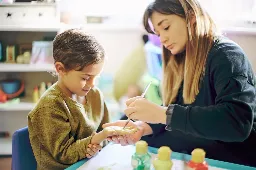
Daycare Jobs in North Carolina: How Old Do You Have to Be?
05/20/2026Thinking about hiring teens or adding younger staff to your #NorthCarolina #daycare team? This short guide explains age rules, paperwork, and safe job duties so directors and providers can plan smart hiring. Read this as a friendly checklist you can use when recruiting and supervising young workers.... Daycare Jobs in North Carolina: How Old Do You Have to Be?

Summer Field Trips for Daycares in Maryland
05/20/2026Summer field trips are a great way for children to learn and have fun outside the classroom. This article helps daycare leaders and directors plan trips that are safe, low-cost, and full of learning. You will find steps, site ideas in #Maryland, safety reminders, and ways to include every child. Pla... Summer Field Trips for Daycares in Maryland

How do I start portfolio assessment in Michigan early childhood programs?
05/20/2026Portfolio assessment helps teachers show what each child learns over time. This guide is for #providers and directors in Michigan who are beginning to use portfolios. You will find easy steps, ideas for evidence, and tips that save time. Use small, regular steps so the work does not feel heavy. This... How do I start portfolio assessment in Michigan early childhood programs?
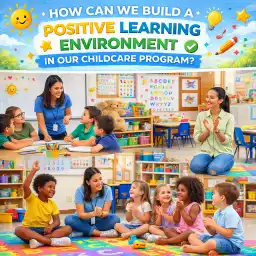
How can we build a positive learning environment in our childcare program?
05/19/2026Children learn best when adults make the space safe, warm, and predictable. Building a positive learning environment means planning the room, practicing helpful routines, guiding behavior with respect, and working with families. In your #classroom with #children use clear #routines, kind #guidance... How can we build a positive learning environment in our childcare program?
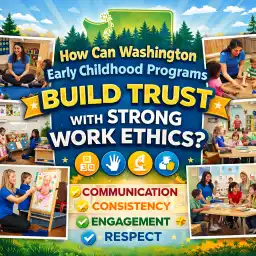
How can Washington early childhood programs build trust with strong work ethics?
05/19/2026Building #trust in your Washington early childhood program starts with simple, clear choices every day. Strong #ethics guide how staff treat children, speak with #families, and work together as a team. This short guide helps directors and providers turn values into actions you can use right now. R... How can Washington early childhood programs build trust with strong work ethics?

Training Ideas for After-School Child Care Programs
05/19/2026After-school leaders need smart, simple #training ideas that fit busy days. This article gives clear, doable steps you can use right away to help your #staff support children safely and with purpose. You will find core topics, ways to teach adults on tight schedules, hands-on activities, and how to ... Training Ideas for After-School Child Care Programs
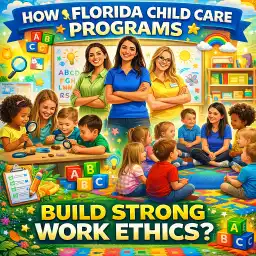
How can Florida child care programs build strong work ethics?
05/19/2026Good work habits and clear values help your program run safely and kindly. Strong #ethics protect #children, build trust with #families, and show #professionalism in #Florida programs. This article gives simple steps you can use tomorrow. State requirements vary - check your state licensing agency... How can Florida child care programs build strong work ethics?

Active Supervision Tips for Safe Child Care Programs
05/19/2026Active supervision means adults watch, listen, move, and join in so children can learn and play safely. It is a set of simple habits staff use all day. Why it matters: good supervision stops injuries before they happen and turns small moments into chances to teach. Strong supervision also helps fam... Active Supervision Tips for Safe Child Care Programs
