Latest Blog & News

How Can You Help Children Plan a Maze Route Before Picking Up a Pencil?
11/02/2026A maze can invite much more than tracing: it gives children a reason to pause, look ahead, and make a plan before moving. Explore practical ways to make route planning playful and accessible, and deepen your understanding of children’s individual approaches with ChildCareEd’s CDA: Approa... How Can You Help Children Plan a Maze Route Before Picking Up a Pencil?

How Can Toddlers Connect Clothing Choices with the Weather Outside?
11/02/2026Getting dressed can become a small but powerful lesson in observation, communication, and self-help—not just another rushed transition. Explore Building Early Science Foundations to deepen your understanding of toddler inquiry, and Supporting Children’s Independence for practical ways to... How Can Toddlers Connect Clothing Choices with the Weather Outside?

How Can a Five-Senses Activity Include Children Who Avoid Certain Sensations?
11/02/2026When a child avoids a texture, sound, or scent, the activity can still be an invitation to learn—not a test of willingness to participate. Explore practical ways to honor children’s sensory preferences while keeping curiosity and connection at the center, and build your inclusive teachin... How Can a Five-Senses Activity Include Children Who Avoid Certain Sensations?

How Can Preschool Flag Activities Introduce Symbols and Community Belonging?
11/02/2026A flag can be more than a craft: it can help preschoolers explore how images carry meaning and how people connect to a group. With open-ended invitations and thoughtful conversation, providers can support children’s creativity, early math, language, and sense of belonging; Art from the Heart f... How Can Preschool Flag Activities Introduce Symbols and Community Belonging?

Which Classroom Expectations Should You Practice Before a Busy Holiday Week?
11/02/2026Holiday weeks can bring joyful moments—and more noise, schedule changes, waiting, and big feelings than a typical day. Practicing a few clear expectations ahead of time can help children feel secure and help your team stay connected; Every Moment Matters: Schedules and Transitions offers ... Which Classroom Expectations Should You Practice Before a Busy Holiday Week?

How Many Loose Parts Should You Offer at Once in a Preschool Play Area?
11/02/2026Too many loose parts can turn a promising play invitation into a crowded, hard-to-manage shelf; too few may limit the ideas children can explore. A thoughtful starting point is a small, purposeful selection that you can adjust by watching children’s engagement, space, and safety needs. For pra... How Many Loose Parts Should You Offer at Once in a Preschool Play Area?

How Can Storytime Questions Invite Children’s Ideas Without Becoming a Quiz?
11/02/2026Storytime can spark children’s theories, memories, and imaginative twists—or leave them feeling tested. A few well-timed invitations, followed by real listening, help you nurture conversation while keeping the pleasure of the book intact. Explore Reading Aloud and Storytelling to build p... How Can Storytime Questions Invite Children’s Ideas Without Becoming a Quiz?
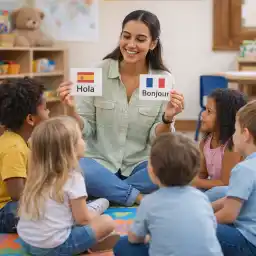
How Can Preschoolers Explore Different Languages Without Being Expected to Translate?
11/02/2026Children can delight in the sounds, stories, and words of many languages without being asked to interpret for adults or perform for classmates. The Building Bridges for Dual Language Learners course offers child care providers practical ways to support language development, honor home languages, and... How Can Preschoolers Explore Different Languages Without Being Expected to Translate?

What Should a Seasonal Learning Center Help Children Do Beyond Admiring the Decorations?
11/02/2026A seasonal display can catch a child’s eye; a well-planned learning center invites that child to investigate, create, communicate, and return with new questions. Strengthen your approach with ChildCareEd’s Spicing Up the Classroom: Learning Centers, a focused course on planning centers t... What Should a Seasonal Learning Center Help Children Do Beyond Admiring the Decorations?

When Do Sentence Starters Help Children Express Ideas—and When Do They Limit Them?
11/02/2026A child who has an idea but cannot yet find the words may benefit from a small verbal foothold—while a child with a fully formed thought may need room to speak without a script. Used intentionally, sentence starters can support expression, language learning, and participation without taking ow... When Do Sentence Starters Help Children Express Ideas—and When Do They Limit Them?
