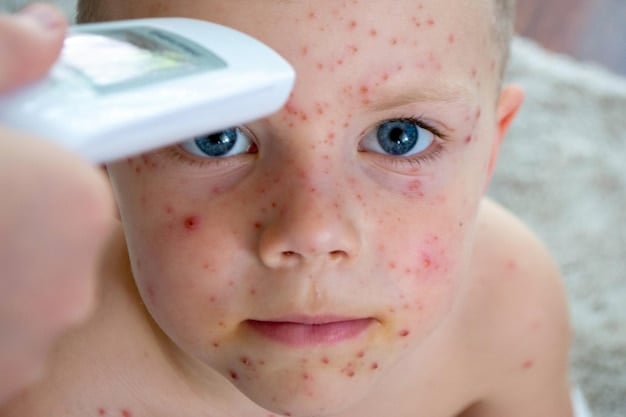
 Child care professionals are charged with reducing infectious-disease transmission in congregate early-childhood settings. This article summarizes the clinical features, principal routes of transmission, and pragmatic infection-prevention strategies for Mpox that are applicable to licensed programs and caregivers. For applied training that reinforces these practices, consider ChildCareEd's How To Keep A Healthy Class: Six Tips for Germ Control
  Buy Now $24.00 and Basic Health & Safety and Breastfeeding Awareness Buy Now $35.00, which cover hygiene protocols, exclusion criteria, and evidence-informed cleaning procedures. The operational guidance below provides immediate, practicable steps to reduce transmission risk while preserving child welfare and supporting constructive family partnerships.
What is Mpox?
Mpox is an infectious disease caused by an orthopoxvirus that commonly begins with a brief prodrome and then progresses to cutaneous lesions. Although generally less severe than smallpox, Mpox can produce painful vesiculopustular eruptions and systemic manifestations that, in certain patients, warrant prompt clinical assessment.
Initial signs often include fever, malaise, headache, and lymphadenopathy. The characteristic rash—frequently involving the face, extremities, or trunk—advances from macules to papules, then vesicles and pustules, before crusting. Although many infections are self-limited, timely recognition and institution of appropriate infection-control procedures are important in group-care settings to protect children and staff.
How does the virus spread between people?
Understanding transmission dynamics is the first step in interrupting spread. Mpox is primarily transmitted through direct contact with infectious lesions or scabs, through exposure to contaminated fomites (for example bedding, towels, or clothing), and via prolonged face-to-face contact that facilitates respiratory-droplet exchange. Brief casual encounters are less likely to result in transmission. In group-care environments, frequent close tactile interactions and shared objects elevate transmission risk; therefore, providers should implement standard infection-prevention measures and contact precautions.
- Skin-to-skin contact: Touching the rash or scabs of someone who is sick.
- Touching objects: Handling clothes, bedding, or towels used by a sick person.
- Respiratory droplets: Long periods of face-to-face contact (like hugging or cuddling for a long time).
Because children in daycare play closely together and share toys, teachers need to be extra careful about cleaning and watching for symptoms. For practical daily practices, see our guide: How can childcare centers use simple health and safety best practices every day?
What are the main symptoms to watch for?
It is important to check children during "morning health checks" when they arrive. Look for these signs:
For protocols and templates, see: How can daily health and safety checks keep my early childhood program safer?
- A new rash: This is the most common sign. The spots may be on the hands, feet, chest, or face.
- Fever and chills: The child might feel hot to the touch or shiver.
- Swollen glands: Small bumps under the jaw or in the neck.
- Low energy: The child may not want to play or might seem very sleepy.
If you see a child with an unusual rash, it is best to keep them away from other children until a doctor can look at it. This helps keep everyone safe! For guidance on exclusion and return-to-care policies, see What should an illness policy for child care include? #ChildHealth #SafetyFirst
How can you prevent Mpox in your classroom?
Prevention is all about #HealthyHabits. You can lower the risk of many illnesses, including Mpox, by following these simple steps:
- Wash hands often: Use soap and warm water, scrubbing for at least 20 seconds, and supervise children to wash their hands after outdoor play and before eating to reduce transmission risk.
- Clean and sanitize: Use a disinfectant on toys, doorknobs, and tables. Since the virus can live on surfaces, daily cleaning is a must.
- Do not share personal items: Ensure each child uses their own blankets at nap time and has separate cups and utensils; avoid sharing personal clothing or linens that could act as fomites.
- Wear gloves: If you need to change a bandage or touch a rash, always wear disposable gloves and wash your hands immediately after taking them off.
What should you do if a child gets sick?
If a child shows symptoms of Mpox while at your center, stay calm. Follow these steps to handle the situation professionally:
- Isolate the child: Move the child to a designated separate area supervised by a staff member to provide comfort while minimizing contact with others.
- Notify the parents or guardians promptly: Arrange for their immediate pickup and advise that the child receive medical evaluation by a pediatrician or local health provider.
- Clean the area: Once the child goes home, deep-clean any toys or items they touched.
- Contact your health department: Check with your local health office to see if you need to notify other parents.
Clear, timely communication reduces anxiety and supports public-health action. When a child is isolated for symptoms, notify the family using factual, non-alarmist language that describes the observed signs, the steps taken (for example, isolation and cleaning), and recommended next actions such as contacting a pediatrician or the local health department. Provide written guidance that references your illness policy and specifies exclusion criteria and required return-to-care documentation. Preserve confidentiality by sharing only information necessary for public-health follow-up; consult the local health department before broader notifications when required. Offer families resources and referral information for testing and medical advice, and record all communications in the center's incident log.
What training and resources should providers use?
Staying educated is the best way to run a high-quality childcare program. ChildCareEd offers many courses to help you master health and safety rules.
Recommended Training Course:
- How To Keep A Healthy Class: Six Tips for Germ Control Buy Now $24.00: Learn the best ways to stop germs from spreading in your classroom.
- Basic Health & Safety and Breastfeeding Awareness Buy Now $35.00: Comprehensive basic health and safety training that covers infection prevention, exclusion criteria, and infant care.
- Health and Safety Orientation Buy Now
$55.00$45.00: Orientation covering infectious disease prevention, emergency response, and safe practices for providers.
If you want to read more about keeping your center germ-free, see our article How to Create a Safe and Healthy Child Care Environment, which explains handling bodily fluids and recommended cleaning protocols. For operational checklists and classroom routines, also consult Back to School: Tips to Tackle Germs and Keep Kids Healthy and Band-Aids, Germs & Giggles: Why Basic Health & Safety Training Is a Big Deal in Child Care. Follow us on Facebook to join a community of practitioners sharing evidence-informed tools for #earlychildhood practice.
What are the key takeaways for childcare teachers?
Mpox is a virus that we should take seriously, but we do not need to panic. By focusing on clean hands, clean toys, and quick action when a child feels sick, you can keep your center running smoothly. Remember, your hard work keeps our smallest community members safe and happy! #DaycareLife
How can you stay connected for updates and resources?
Do you want more tips on health, safety, and fun classroom activities? We share helpful videos and updates every week on social media. For practical articles, see Back to School: Tips to Tackle Germs and Keep Kids Healthy and Band-Aids, Germs & Giggles: Why Basic Health & Safety Training Is a Big Deal in Child Care.
Follow us on Facebook today! Click the follow button to join a community of teachers who care about excellence in #early childhood education.
- CDA Certification en Español: Recursos y Consejos para Educadores Bilingües
- Qué capacitación se requiere para ser director de cuidado infantil en Texas?
- Requisitos Para Ser Maestra Principal En Un Daycare: Lo Que Necesitas Para Empezar
- Que es Título 22 en California?
- ¿Cuáles son los pasos, requisitos y opciones en línea para la certificación de 90 horas en cuidado de Infantes/Toddlers en Maryland?
- Capacitación en Salud y Seguridad Preventiva en Línea para Proveedores de Cuidado Infantil
- ¿Cómo solicito la licencia para una guardería en California?
- Regulaciones de Cuidado Infantil en Maryland para Centros y Hogares de Cuidado Infantil Familiar
- Regulaciones de Licenciamiento de Cuidado Infantil en California para Centros y Hogares de Cuidado Infantil Familiar
- Proporciones de Cuidado Infantil y Tamaños de Grupo por Edad en Maryland (Guía Rápida para Centros y Hogares)
- Proporciones de Cuidado Infantil y Tamaños de Grupo por Edad en Nueva Jersey (Guía Rápida para Centros y Hogares)
- Lista para Guardería en Casa en Illinois: Cómo Iniciar una Guardería en el Hogar
- Lista para Guardería en Casa en California: Cómo Iniciar una Guardería en el Hogar
- Lista para Guardería en Casa en Texas: Cómo Iniciar una Guardería en el Hogar
- Apoyo en Preescolar para Retrasos del Habla: Estrategias Simples que Ayudan
- Retraso del Habla en la Guardería: Cómo Pueden Ayudar los Proveedores
- Cómo Trabajar en el Cuidado Infantil en California: Requisitos y Pasos
- Cómo Ser Maestra de Preescolar en Wisconsin
- Capacitación Previa al Servicio para Proveedores de Cuidado Infantil en Dakota del Norte
- How can daily health and safety checks keep my early childhood program safer?
