Social and emotional learning (SEL) helps children understand their feelings, build relationships, and make good choices. These skills are just as important as learning letters and numbers. When educators support SEL in the classroom, children feel safe, confident, and ready to learn.
This guide explains how educators can support social and emotional learning in simple, everyday ways that work in real #classrooms.
What Is Social and Emotional Learning? 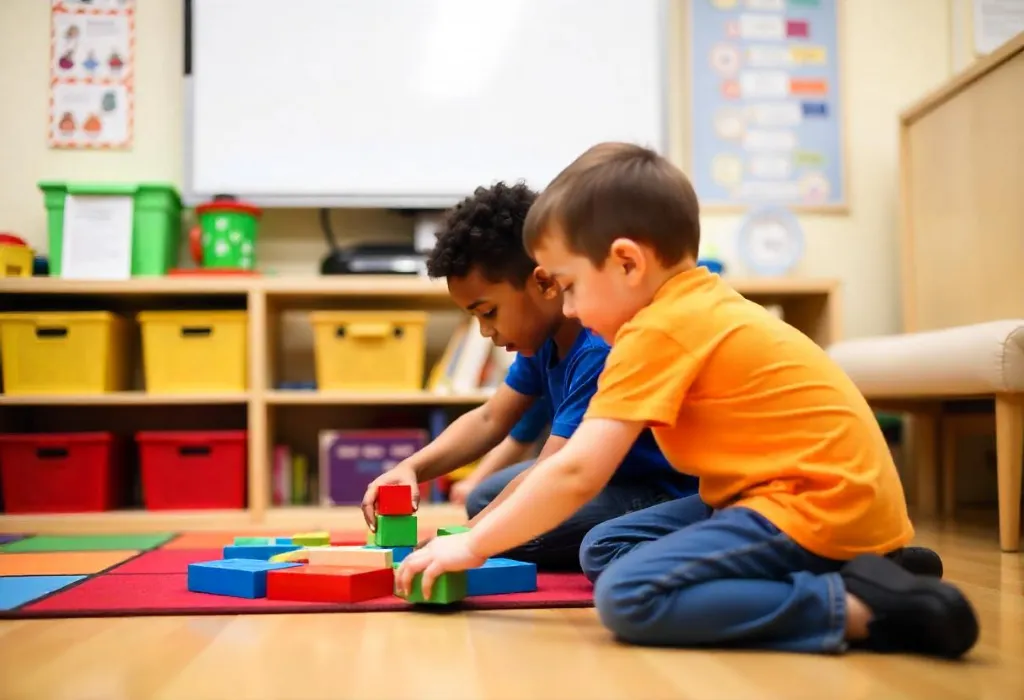
Social and emotional learning is how children learn to:
- Understand and manage their emotions
- Show #empathy and care for others
- Build friendships
- Solve problems peacefully
- Make responsible choices
SEL supports the whole child. It helps children succeed in school and in life. Strong #socialemotional skills also support behavior, communication, and learning.
Why Is Social and Emotional Learning Important in the Classroom?
Children come to school with different experiences, feelings, and needs. A classroom that supports SEL helps every child feel welcome.
Social and emotional learning:
- Builds a sense of safety and belonging
- Reduces challenging behaviors
- Improves focus and cooperation
- Helps children express feelings with words
When children feel understood and supported, they are more likely to participate and enjoy learning.
How Can Teachers Create a Safe and Supportive Environment?
A safe classroom is the foundation of SEL. Children need to know what to expect and trust the adults around them.
Ways to create a supportive space include:
- Greeting each child by name
- Keeping routines predictable
- Using calm voices and kind words
- Modeling respect and patience
Children learn social skills by watching adults. When teachers model kindness and problem-solving, children learn to do the same.
How Can Educators Teach Children About Feelings?
Children need help naming and understanding their emotions. This is a key part of #emotional #development.
Simple ways to teach feelings:
- Use emotion words during the day
- Read books about feelings
- Use pictures or emotion charts
- Talk about feelings during play
For example, a teacher might say, “You look frustrated. Let’s take a deep breath together.” These moments help children learn healthy ways to manage emotions.
How Does Play Support Social and Emotional Learning?
Play is one of the best ways children learn social skills. During play, children practice sharing, taking turns, and solving problems.
Educators can support SEL through play by: 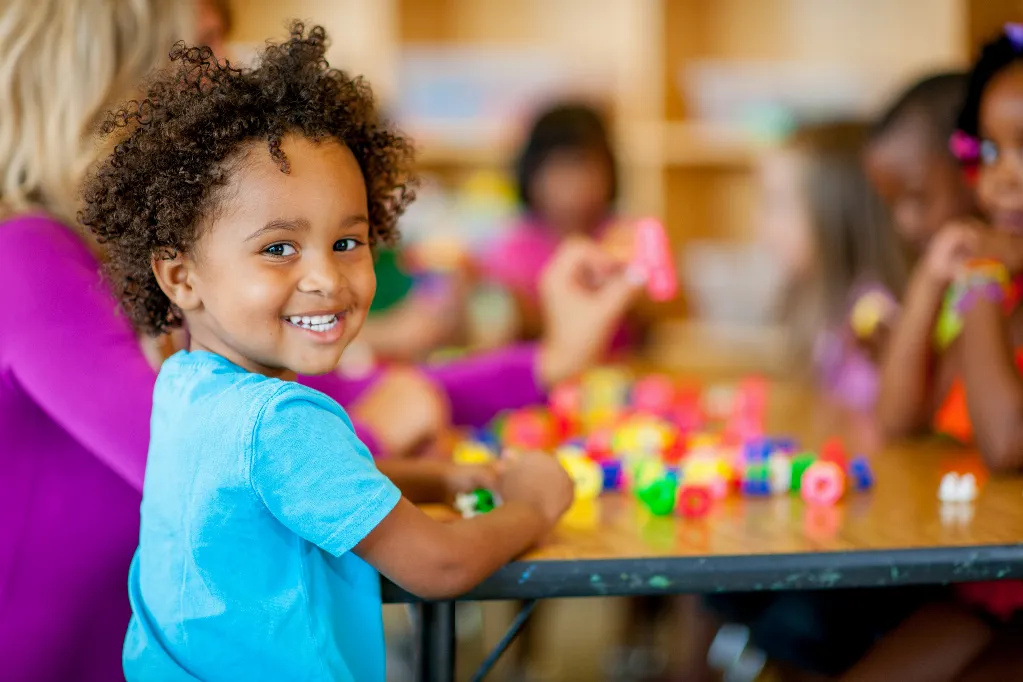
- Encouraging cooperative games
- Helping children talk through conflicts
- Asking open-ended questions
- Giving children time to practice social skills
Play helps children learn empathy and teamwork in a natural way.
How Can Teachers Support Positive Behavior?
Supporting behavior is not about punishment. It is about teaching children what to do and helping them succeed.
Positive guidance strategies include:
- Setting clear, simple rules
- Using positive #language
- Offering choices when possible
- Praising effort and kindness
For example, instead of saying “Don’t yell,” try saying “Use a quiet voice.” This helps children understand expectations clearly.
How Can SEL Be Part of Daily Routines?
SEL does not need a special lesson time. It can be part of everyday routines.
Daily SEL opportunities include:
- Morning greetings and check-ins
- Group discussions and circle time
- Mealtimes and transitions
- Clean-up and problem-solving moments
These everyday moments help children practice social skills in real situations.
How Can Educators Support Inclusion and Cultural Awareness?
SEL also helps children respect differences and feel proud of who they are. Inclusive classrooms support children from all backgrounds.
Inclusive practices include:
- Using simple, clear language
- Respecting family cultures
- Encouraging children to share their experiences
- Teaching empathy and kindness
These practices support #inclusivelearning and help children build strong social skills. 
📖 Related ChildCareEd Article:
Every Child Matters: Practical Tips for a Safe and Inclusive Classroom
Related ChildCareEd Resources
- My Book of Emotions — A printable activity where children identify and talk about feelings.
- “I Need a Break” Calm Down Posters Buy Now $0.00 — Posters that support children in taking a moment when emotions feel big.
- Emotions Sorting Activity — A hands-on activity for matching and recognizing emotions.
These tools give children language and strategies to manage emotions like frustration, excitement, and sadness.
How Can ChildCareEd Support Your SEL Journey?
ChildCareEd offers flexible online training for #early-childhood educators at all levels. These courses provide practical strategies you can use right away.
🎓 Recommended Trainings:
- Play, Learn, Grow Online Version
 Buy Now $16.00: This course explores how play supports social, emotional, and cognitive growth.
 - Supporting Social Learning: Creating Classrooms that Care Buy Now $24.00: This course explains how SEL supports behavior, relationships, and learning.
Each course helps educators build skills while earning professional development credit.
Want More Tips and Inspiration for Supporting SEL?
Stay connected with ChildCareEd for teaching ideas, resources, and encouragement.
📲 Follow ChildCareEd on Instagram for daily tips and inspiration:
Supporting social and emotional learning helps children feel safe, valued, and ready to grow. With simple strategies and the right support, educators can make a lasting difference—one caring moment at a time.
- CDA Home Visitor Subject Area 3 Part 3 Birth to 5
- Social Foundations and Responsive Classrooms
- CDA Infants/Toddlers: Importance of Consistent Care
- Opportunity for Growth: Emotional Development
- CDA Bridge Bundle: Family Child Care without Portfolio Review
- Are They Ready for Kindergarten?
- CDA Bridge Bundle: Infant/Toddler without Portfolio Review
- CDA Bridge Bundle: Preschool without Portfolio Review
- Brighter Futures: Social Emotional Development
- Growing the Whole Child: Health, Emotions & Early Learning
- The Montessori Advantage in Early Childhood
- Building Social Foundations
- The Family Day Care Chronicles: Tales of Laughter, Learning, and Unexpected Adventures
- Hungry for Play: The Power of Play-Based Learning in Early Education
- Frosty Fun: Trauma-Informed Play for Resilient Young Learners
- Trauma-Informed Care: Why Your Classroom Isn’t Complete Without a Little Extra Empathy
- CDA Certification en Español: Recursos y Consejos para Educadores Bilingües
- 🎈 Better Together: Why Little Friends Make a Big Difference in Early Childhood
- 🔍 ¿Qué ves cuando observas a un niño aprender?
- 💛🧩 ¿Cómo puedo hacer que mi enseñanza sea inclusiva para los niños con autismo?
- 10 Ejemplos de Cómo la Cultura Influye en el Desarrollo Infantil
- Proporciones de Cuidado Infantil y Tamaños de Grupo por Edad en Virginia (Guía Rápida para Centros y Hogares)
- Retraso del Habla en la Guardería: Cómo Pueden Ayudar los Proveedores
- Canciones, juegos y preguntas de círculo para niños
- What Should Every Child Care Provider Know About Children's Sense of Humor?
