Latest Blog & News in English

How Can One Fall Activity Work for Three Age Groups in Family Child Care?
11/04/2026One autumn invitation can bring infants, toddlers, and preschoolers together without requiring three separate lesson plans. With a shared purpose and age-responsive ways to explore, you can make seasonal learning manageable and meaningful; DAP for Family Child Care offers focused training in develop... How Can One Fall Activity Work for Three Age Groups in Family Child Care?
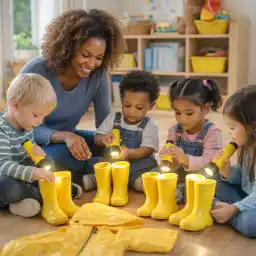
How Can Child Care Programs Prepare Children for Fall Storms Through Predictable Practice?
11/04/2026Fall storms can turn an ordinary classroom day into a moment of uncertainty, but a familiar routine helps children know what to expect and helps staff act with confidence. ChildCareEd’s Emergency and Disaster Preparedness course offers child care professionals a more complete learning experien... How Can Child Care Programs Prepare Children for Fall Storms Through Predictable Practice?
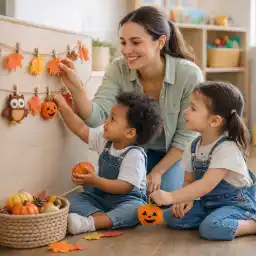
How Can You Safely Decorate a Child Care Classroom for Fall at Children’s Height?
11/04/2026Fall decorations can make a classroom feel welcoming, but anything placed within children’s reach also becomes part of their play environment. Use a child-height safety review to spot hazards, preserve supervision, and keep seasonal displays meaningful—and build broader daily health and ... How Can You Safely Decorate a Child Care Classroom for Fall at Children’s Height?
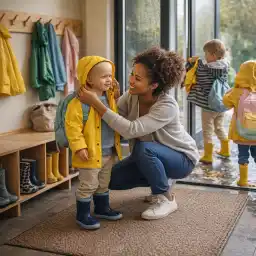
How Can You Redesign a Child Care Arrival Space to Beat the Fall Wet-Coat Bottleneck?
11/04/2026When rain-soaked coats, umbrellas, and muddy shoes converge at the entrance, arrival can quickly become a traffic jam. A few deliberate changes can make the entryway safer, calmer, and more independent for children; Classroom Arrangement: The Second Teacher offers focused professional learning on ho... How Can You Redesign a Child Care Arrival Space to Beat the Fall Wet-Coat Bottleneck?

How Can Families Share Fall Discoveries at Home Without Homework?
11/04/2026Fall learning does not need worksheets, special supplies, or another task on a busy family’s to-do list. A simple choice calendar can invite children and caregivers to notice seasonal changes together, while Building a Community of Families offers providers a deeper foundation for building rec... How Can Families Share Fall Discoveries at Home Without Homework?
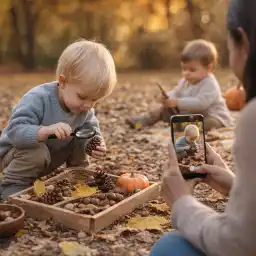
What Should You Record During Child-Led Fall Play?
11/04/2026In a pile of leaves, a pretend pumpkin patch, or a puddle after autumn rain, children reveal more than seasonal delight: they show how they think, communicate, and work with others. Build confidence in turning these small moments into useful evidence with Tracking Progress, Shaping Futures: Observat... What Should You Record During Child-Led Fall Play?
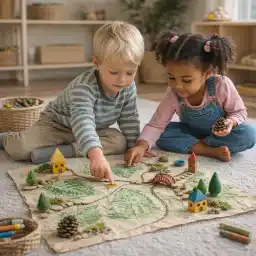
How Can Leaf Rubbings Become Maps for Imaginative Play?
11/04/2026A leaf rubbing can be more than a seasonal picture: it can become the first landmark in a world children invent together. With a little intentional planning, providers can extend this simple art experience into storytelling, early map skills, collaboration, and joyful pretend play. The Lesson Planni... How Can Leaf Rubbings Become Maps for Imaginative Play?

How Can Strengths-First Fall Conferences Help Families See What Their Child Can Do?
11/04/2026Families deserve more than a general “doing great” or a list of skills—they deserve a clear picture of what their child is learning and how that learning shows up in everyday moments. The Culture, Communication, and Collaboration in Assessment course offers practical learning on ob... How Can Strengths-First Fall Conferences Help Families See What Their Child Can Do?

How Can Fall Classroom Requests Welcome Every Family—not Just Those Who Bring a Pumpkin?
11/04/2026A classroom request can build connection—or unintentionally make families feel that belonging depends on buying or bringing something. Use clear, flexible fall invitations and the Engaging Families for Child Success course to strengthen your family-partnership skills, practice culturally sensi... How Can Fall Classroom Requests Welcome Every Family—not Just Those Who Bring a Pumpkin?

How Can You Plan a Fall Family Night That Works for Different Schedules and Budgets?
11/04/2026A joyful fall family night should build connection—not create pressure to take time off, travel, or spend money. With a flexible format, simple activities, and several ways to participate, providers can make every family feel welcome, whether they join in person or contribute on their own time... How Can You Plan a Fall Family Night That Works for Different Schedules and Budgets?
