Latest Blog & News

How Can Holiday Word Games Strengthen Visual Scanning and Spelling?
09/24/2026Holiday word games can turn a busy December classroom into a lively place to practice careful looking, letter patterns, and spelling. Explore practical ways to use a Christmas word search and extend it into meaningful play; the one-hour Play Safe, Think Big: Literacy Through Play course offers strat... How Can Holiday Word Games Strengthen Visual Scanning and Spelling?
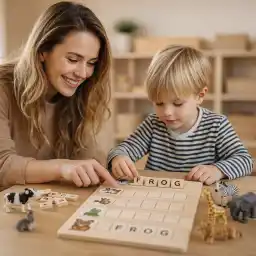
How Can Word-Finding Games Strengthen Preschoolers’ Animal Vocabulary?
09/24/2026When a child knows an animal but cannot quite name it, a playful clue can help bring the word within reach. Use short, purposeful games to strengthen animal vocabulary, encourage confident communication, and connect spoken words with print; Understanding Print Knowledge in Preschool offers two hours... How Can Word-Finding Games Strengthen Preschoolers’ Animal Vocabulary?

How Can Child Care Providers Build Food Vocabulary and Word Recognition Together?
09/24/2026Fruit words can become more than labels when children hear them, see them in print, and use them in meaningful play. Try pairing a playful word search with conversation and real-world connections, and build your assessment practice with ChildCareEd’s Assessment of Language and Literacy Skills ... How Can Child Care Providers Build Food Vocabulary and Word Recognition Together?
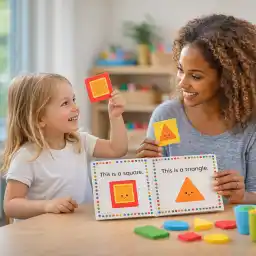
How Can Predictable Text Reinforce Shape Concepts in Preschool?
09/24/2026When children can anticipate a repeated sentence, they have more attention to notice the word, picture, and idea changing on each page. Pairing predictable text with shape exploration gives providers a practical way to build early reading confidence and geometric vocabulary; the Language and Literac... How Can Predictable Text Reinforce Shape Concepts in Preschool?

How Do Color-Word Activities Support Reading Automaticity?
09/24/2026When young readers can recognize familiar words quickly, they have more attention available for making meaning from what they read. Color-word games offer a playful way to revisit print, but they work best when paired with thoughtful teaching; Play Safe, Think Big: Literacy Through Play offers child... How Do Color-Word Activities Support Reading Automaticity?

What Should Teachers Do When Children Don’t Want to Play Outside?
09/21/2026When a child resists outdoor play, the goal is not to force compliance—it is to understand the message and create a safer, more inviting experience. The course Creating the Natural Outdoor Classroom can help educators design sensory-rich outdoor environments that encourage curiosity, participa... What Should Teachers Do When Children Don’t Want to Play Outside?

How Can Child Care Programs Prevent Common Playground Injuries?
09/21/2026Playgrounds should invite children to climb, run, negotiate, and explore—not expose them to preventable hazards. Strengthen your team’s daily routines with Active Supervision: A Strategy That Works, a three-hour course that develops practical skills for watching, listening, positioning, ... How Can Child Care Programs Prevent Common Playground Injuries?

How Can Child Care Providers Plan a Balanced Summer Learning Routine for Young Children?
09/23/2026Summer can feel like a tug-of-war between keeping children engaged and leaving enough room for the unhurried play they need. A simple rhythm of stories, movement, creative exploration, and rest can make the season both joyful and purposeful; the My Summer Activity Book offers a convenient printable ... How Can Child Care Providers Plan a Balanced Summer Learning Routine for Young Children?

How Can Meaningful Juneteenth Vocabulary Support Early Writers?
09/23/2026Young children’s first writing attempts become more powerful when the words connect to ideas, relationships, and histories that matter. Use Juneteenth vocabulary to build language, fine-motor practice, and thoughtful classroom conversations—and explore ChildCareEd’s Cultures in the... How Can Meaningful Juneteenth Vocabulary Support Early Writers?

How Can Picture and Color Cues Help Children Decode CVC Words?
09/23/2026When a child sees a picture, sounds out the letters, and recognizes a word, a small literacy breakthrough is taking place. Pairing picture and color cues with purposeful sound-by-sound practice can make CVC decoding more approachable; the Classroom Tools for Emergent Literacy course offers providers... How Can Picture and Color Cues Help Children Decode CVC Words?
