Introduction — Why parent-teacher conferences matter
Parent-teacher meetings are a chance to build trust, share what a child can do, and plan next steps. These conversations help children grow at home and in your program. This guide is for child car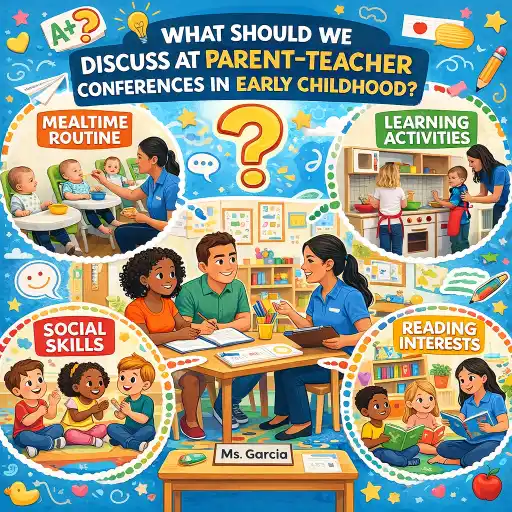 e providers and directors who want clear, practical ideas for those meetings.
This article will help with 1) preparing, 2) choosing topics, 3) talking about concerns, and 4) setting goals and follow-up. Use simple tools like ChildCareEd's Pre-Conference Form and their Parent-Teacher Conference Form Buy Now $0.00 to stay focused and child-centered.
Why it matters:
- Families feel heard and included when you use clear information and listen.
- Children get better support when home and program goals match.
This guide uses five key words you'll see often: #ParentTeacher #Families #Communication #Development #Goals.
Note: state requirements vary - check your state licensing agency.
What should I prepare before the conference?
Good preparation makes the conference calm and helpful. Follow these steps so the meeting stays focused on the child.
- 📋 Use a simple pre-conference form.
Ask families to complete a short form before the meeting. ChildCareEd's Pre-Conference Form is designed for this. A filled form gives you the family's questions and helps you prepare.
- 🗂 Gather examples and notes.
Bring 3–5 quick examples: a photo, a drawing, a short observation note, or a work sample. These concrete items make your points easy to see.
- ⏱ Set time and send a reminder.
Block 15–20 minutes per family and stick to it. Use a reminder letter like ChildCareEd's Parent-Teacher Reminder Letter Buy Now $0.00 so parents know when and where to come.
- 🔒 Pick a private, comfortable spot.
A quiet place helps families feel safe to talk. If your program has policies about who shares developmental concerns, follow them.
- 🧾 Prepare clear next steps.
Have a simple note or form to record goals and follow-up tasks—the Glow & Grow Conference Form Buy Now $0.00 is a great model.
Tip: Send a short survey before conferences to learn what families want to discuss, as suggested by several child care resources.
What topics should we cover during the meeting?
Keep the talk child-centered. Cover strengths, daily routines, milestones, and what to practice at home. Use clear examples and ask families about home life.
- 😊 Start with strengths.
Open by sharing 1–2 things the child does well. This builds trust and sets a positive tone, as recommended by child care experts like ChildCareEd (Let’s Talk).
- 🧭 Share observed routines and behavior.
Talk about nap, meal, play, and transitions. Note social skills—sharing, taking turns, or calming strategies. Use family engagement ideas from the Pyramid Model.
- 🔎 Review development and milestones.
Use milestone checklists like CDC’s Milestones by 4 Years or Milestones by 5 Years to point out what’s typical and what to watch for. Concrete examples help families understand progress.
- 📚 Talk about learning and early literacy.
Share reading, language, and play ideas. Resources like KidsHealth’s Reading Milestones show what to expect at each age.
- 🎯 Set one or two practical goals.
Agree on small steps both adults can try. Use the Glow & Grow or Parent-Teacher form to record the plan and who will do what.
Ask: “What do you notice at home?” — invite two-way dialogue and listen closely.
How do we talk about concerns and developmental differences?
Hard topics are easier when you are calm and specific. Use objective tools and keep the child at the center.
- 🗂 Start with what the child does well.
Begin with strengths. Then say what you’ve observed using clear examples and dates. ChildCareEd suggests leading with positives in difficult talks (Hard Conversations).
- 🔍 Use milestone checklists and data.
Bring a completed checklist, like CDC’s Watch Me! Module 4 guidance. This gives an objective starting point and reduces judgment.
- 🤝 Be collaborative and avoid labels.
Ask what families see at home. Avoid diagnosis language—say you are observing and suggest next steps. Help Me Grow recommends planning a follow-up and giving families resources (Discussing Developmental Concerns).
- 📞 Offer clear referrals and supports.
Have community referral info ready (early intervention, pediatrician). If you can, share local contact steps and offer to help the family make the call.
- ⚠️ Common mistakes and how to avoid them:
- Not preparing examples — collect quick notes ahead of time.
- Using jargon — speak in plain words and give examples.
- Doing this only at drop-off — schedule a quiet meeting time.
Remember: don’t diagnose. Provide options, listen, and plan follow-up checks.
How do we set goals and follow up after the conference?
Good conferences end with clear steps. Make goals small, specific, and measurable so families can try them at home and you can follow up.
- ✍️ Record 1–2 concrete goals.
Examples: "Practice naming colors twice this week at drop-off" or "Try a short bedtime routine for three nights." Put goals on a form families can keep, like ChildCareEd’s Parent-Teacher Conference Form Buy Now $0.00 or the Glow & Grow form Buy Now $0.00.
- 📤 Send a short summary and thank-you.
Within 24–48 hours, send a note that lists goals, who will do what, and when you’ll check in. ChildCareEd recommends a follow-up message to keep momentum (Let’s Talk).
- 🔁 Plan a time to follow up.
Set a date for a quick check-in (phone, message, or another meeting). Track progress in a simple communication note or log (see ChildCareEd’s Family Communication Note Buy Now $0.00).
- 🎓 Use training and resources to build skills.
Staff can take courses like ChildCareEd’s Family Conferencing: Developing Trust
 Buy Now $24.00 or Let’s Talk: Effective Communication Buy Now $24.00 to strengthen conferences.
 - 🔐 Respect privacy and program rules.
Keep notes confidential. If your program or state has rules about sharing developmental concerns, follow them — and remember: state requirements vary - check your state licensing agency.
Small steps and steady follow-up make conferences a tool for real change.
For your parent-teacher conference article, these two ChildCareEd courses fit best and can be linked right inside your “prepare, talk, and follow up” sections:
-
When you mention preparing forms, choosing topics, discussing concerns respectfully, and setting follow-up goals, link Family (or Parent) Conferencing: Developing Trust ONLINE right there: https://www.childcareed.com/courses-family-or-parent-conferencing-developing-trust-1.html
Buy Now $24.00. (childcareed.com) -
When you coach staff to use clear, calm language, listen well, and build strong relationships with families during meetings, link Let’s Talk: Effective Communication right there: https://www.childcareed.com/courses-let-s-talk-effective-communication.html
Buy Now $24.00. (childcareed.com)
Conclusion — Quick FAQs and final tips
Parent-teacher conferences are a big chance to partner with families. Use short forms, clear examples, and listen. Keep goals simple and follow up.
FAQs:
- How long should a conference be?
15–20 minutes is common. If a family needs more time, schedule a second meeting.
- What if a parent brings the child?
Invite parents to come without the child when possible. If the child is present, keep the talk brief and schedule a private follow-up.
- How do I handle a very emotional parent?
Stay calm, listen, repeat back what you hear, and offer a short break or a follow-up time. Use supportive language and focus on next steps.
- Do we need translators?
Yes. Offer translation when needed so families understand and can join decisions. Many programs provide translated forms or phone interpreters.
- What if I suspect a delay?
Share observations, use milestone checklists (CDC), offer referrals, and help the family contact early intervention or the pediatrician.
Final tips: keep the child as the focus, use the free ChildCareEd tools linked above, and practice your listening skills. You’re building trust with families — small, respectful steps make a big difference.
For more templates and training, see ChildCareEd resources: ChildCareEd.
- 45 Hour Child Growth and Development
- Many Colors, One Canvas: MD ECE Conference
- Baby Steps to Milestones
- 24 Hour Texas Pre-Service
- Family (or Parent) Conferencing: Developing Trust ONLINE
- CDA Bridge Bundle: Family Child Care without Portfolio Review
- CDA Bridge Bundle: Infant/Toddler without Portfolio Review
- CDA Bridge Bundle: Preschool without Portfolio Review
- Texas Teacher 24 hours Annual Renewal 2nd Year
- Texas Director Credential
- Creating Community
- Having a Heart-to-Heart
- The Vital Role of Professional Development
- CDA Council's Early Educators Leadership Conference
- New Year, Fewer Tantrums: Tips for Building Strong Parent-Educator Partnerships in 2025
- CDA Certification en Español: Recursos y Consejos para Educadores Bilingües
- Inside the Child Care Resource Center: How to Maximize Support for Families and Educators
- Montessori Assistant Teacher: Roles, Skills, and Training
- Daycare Teacher Discounts: Deals and Benefits You May Be Missing
- What Counts as Professional Development for Early Childhood Educators?
- How Can Child Care Providers Discuss Behavioral Concerns Without Blaming Families?
- How Can Child Care Providers Handle Difficult Conversations with Parents About Behavior?
- When Should a Child Care Provider Be Concerned About Development?
- How Can You Plan a Parent Conference When a Family Has Different Priorities?
- How Can Providers Keep a Referral Conversation Focused on Support, Not Labels?
- Why Might a Child Show Different Skills at Home and at Preschool?
- How Do You Talk to Parents About Developmental Concerns?
- How Should Child Care Providers Handle Difficult Conversations With Parents?
