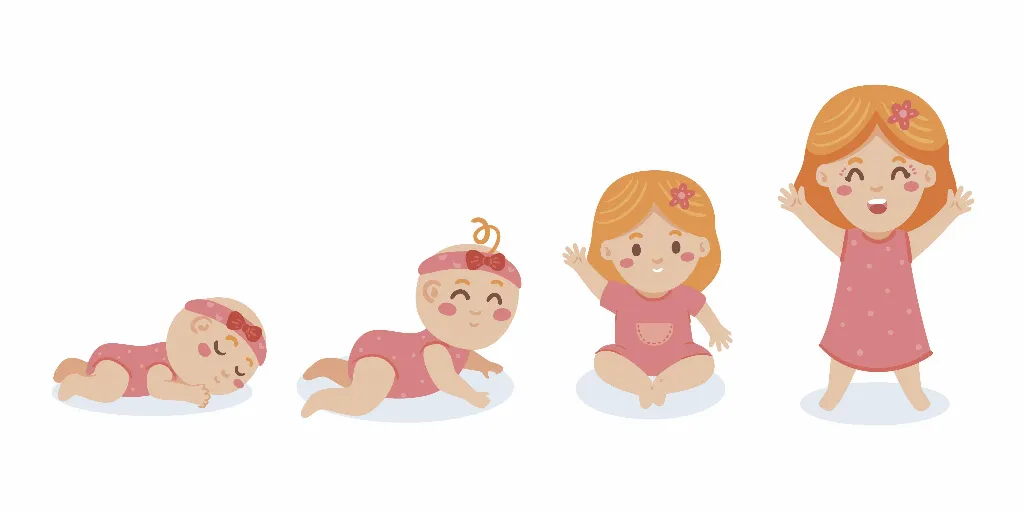
 Child development classes help teachers and providers learn how children grow, act, and learn. These classes explain what is typical for different ages and show how to support children in safe, caring, and helpful ways. They also help teachers plan better activities, guide behavior, and build stronger daily routines.
These classes also help programs meet goals and training needs. Many child care centers want staff to keep learning, and some states may count certain courses toward licensing or credentials. #childdevelopment training helps both teachers and children grow.
Who should take child development classes?
Child development classes can help many people in early childhood education. These classes are a good fit for:
- new teachers just starting in child care
- aides who want a stronger foundation
- directors who train staff
- family child care providers working with mixed ages
- staff building hours for credentials or job growth
Even experienced teachers can benefit. Child care changes over time, and training helps staff stay current. It can also give teachers new ideas they can use right away in the classroom.
What do child development classes usually teach?
These classes cover the basic building blocks of how children grow. A child development class may include topics like:
- how children grow from birth through age 12
- what milestones are common at different ages
- how children learn through play
- how to plan activities that fit a child’s stage
- how to guide behavior in positive ways
- how to build safe and supportive routines
This kind of learning is useful because teachers need more than good intentions. They also need practical tools. A strong class can help a teacher understand why a child is acting a certain way and what to do next.
How do you choose the right child development classes?
Choosing the right class can feel hard at first. A simple way to choose is to ask these questions:
- Do I need a basic class or a special topic?
- Am I training a new aide or a lead teacher?
- Do I need a certificate?
- Is the class easy to understand and practical?
- Will this training help with my job or goals?
For many new staff members, it helps to start with one strong foundation course and then add shorter topic courses later. That keeps learning steady and manageable. #educators often do best when training is clear, practical, and easy to use.
Which ChildCareEd courses fit this topic best?
Here are 2 ChildCareEd training courses that directly fit this topic:

These courses can help staff build a strong base:
- the growth and development course gives a full overview
- the DAP course helps teachers match teaching to children’s needs
- the classroom management course helps with daily behavior support
Together, these topics give staff practical tools they can use right away.
How can teachers use what they learn in class every day?
Training works best when it changes daily practice.
Here is a simple way to use class learning:
- learn one new idea
- plan one activity or routine change
- try it for a week
- watch how children respond
- talk about it with coworkers
For example:
- after a DAP class, a teacher may shorten circle time for toddlers
- after a lesson planning class, a teacher may use more open-ended questions
- after a behavior class, a teacher may teach sharing through role play
This works well because it keeps the focus small and realistic. Staff do not need to change everything at once. One small change can still make a big difference.
How can programs meet training and credential goals at the same time?
A simple staff training plan might include:
- one foundation course first
- one short topic course every few months
- a folder for all certificates
- regular check-ins with the director
- a list of next steps for each person
This kind of plan helps staff build skills while also meeting job needs. It is especially helpful for busy programs that want training to feel organized instead of rushed. #classroom quality improves when staff learning stays active and consistent.
What ChildCareEd resource can help readers learn more?
- Understanding Child Growth and Development Buy Now $0.00
- Developmental Milestones: All Ages Buy Now $0.00
What related ChildCareEd article should readers check next?
What common mistakes should teachers avoid?
Here are simple ways to avoid those mistakes:
- do not make plans too complicated
- mix songs, movement, art, and play
- keep notes short and useful
- meet with staff to reflect on what changed
- use training ideas in small steps
These habits help learning stick. They also help teachers feel less stressed and more confident.
What is the best next step?
A smart next step is to choose one strong foundation course and then pick one short topic class to follow it. Your draft ends with the same helpful message: keep learning small and steady, track certificates, and use what you learn to support children and families.
Child development classes can help new and experienced educators build stronger skills, better routines, and more confident teaching. When staff choose the right classes, apply what they learn, and keep growing over time, children benefit every day.
- 45 Hour Child Growth and Development
- How To Keep A Healthy Class for Infants/Toddlers
- Teacher-Child Interactions for Stronger CLASS® Outcomes
- How To Keep A Healthy Class: Six Tips for Germ Control
- 45 Hour Preschool Methods and Materials
- 45 Hour Infant and Toddler Methods and Materials
- Training Guide for Families from Diverse Language and Cultural Backgrounds
- 45 Hour School Age Methods and Materials
- Child Development Training
- Why take CDA training with ChildCareEd? Free Resources
- Empowering Maryland's Early Childhood Educators: The Maryland CDA Training Initiative
- ChildCareEd: Advancing Early Childhood Education Online
- CDA Certification en Español: Recursos y Consejos para Educadores Bilingües
- Can the 45-Hour Growth and Development Course Transform Your Teaching Practice?
- Lista para Abrir una Guardería en Casa en Dakota del Norte: Cómo Empezar
- Cómo Ser Maestra de Preescolar en Maryland
- Why should Oklahoma early childhood educators choose ChildCareEd's self-paced courses?
- Child Development Classes in Illinois for Early Childhood Educators
- Child Development Classes in Texas for Early Childhood Professionals
- Child Development Classes in North Carolina for Early Childhood Professionals
- Child Development Classes in California for Child Care Providers
- How can California early educators start strong and grow their careers with ChildCareEd?
- How can New York childcare workers serving children with disabilities find specialized online CEU courses?
- What Could the SEED Act's New Tax Deduction Mean for Minnesota Early Educators?
- Child Growth and Development Classes Online
- Online CDA Classes: A Flexible Path Toward Your CDA Credential
- What Counts as Professional Development for Early Childhood Educators?
